
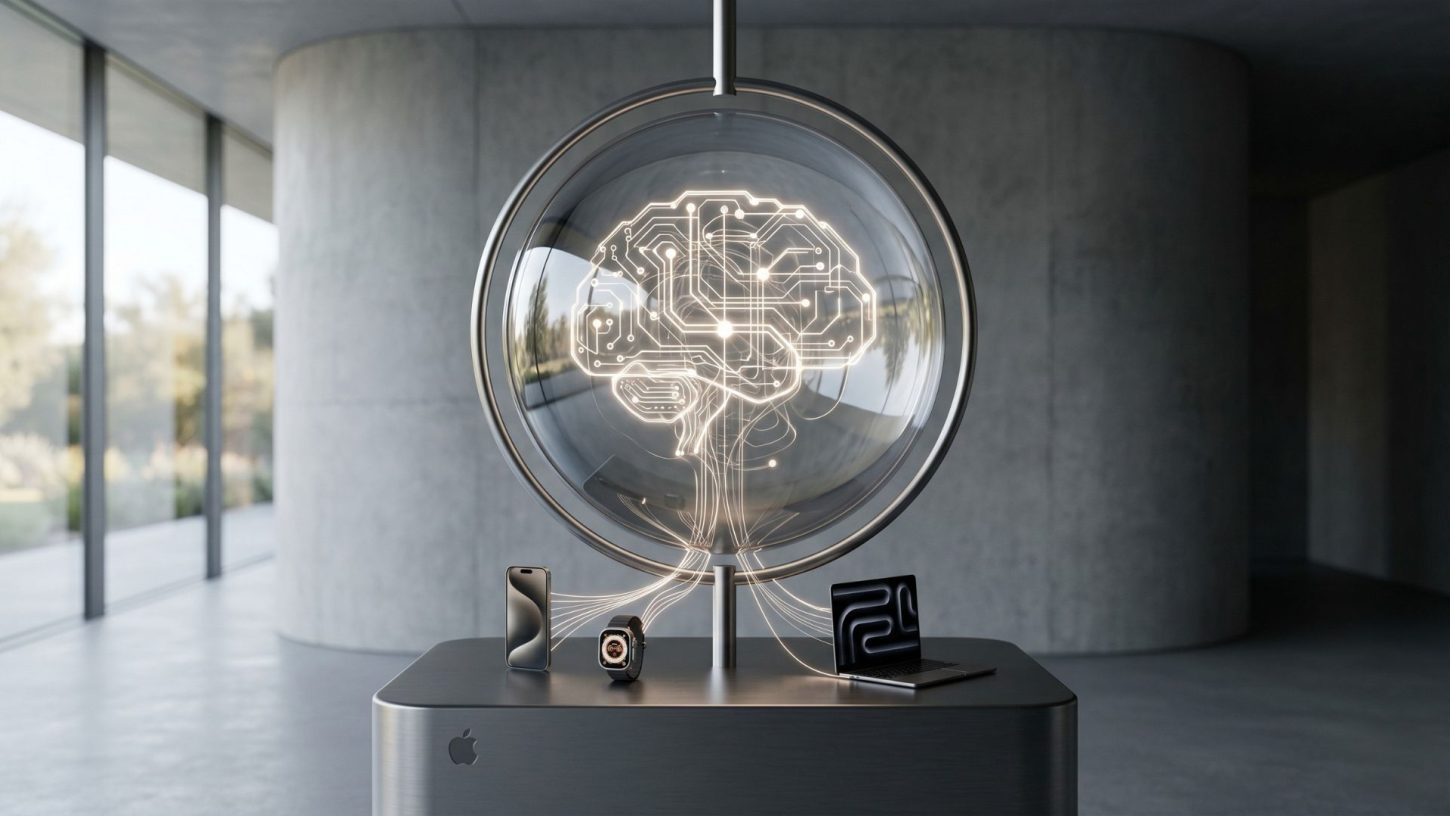
At the Worldwide Developers Conference (WWDC) 2026, Apple initiated a highly anticipated transformation of its software ecosystem, transitioning Siri from a reactive voice helper into a proactive agentic assistant. Tim Cook, in what is widely regarded as his final keynote address as Chief Executive Officer, presented a unified vision for iOS 27 and macOS 27 that integrates external large language models to re-establish Apple’s position in the personal artificial intelligence race.
Will the Revamped Siri and iOS 27 Redefine Mobile Software Architecture?
Apple’s keynote addresses the long-standing critique of its delayed AI rollouts by delivering a complete structural rebuild of Siri. Built upon a strategic partnership that leverages Google’s Gemini technology, the assistant moves beyond simple voice queries to comprehend complex, multi-step prompts. The update enables Siri to evaluate screen context, pull raw details from personal files such as emails, calendars, and messages, and take actions across different applications. By focusing on direct, on-device execution rather than defaulting to generic search results, Apple is modernising its hardware-software synergy to secure consumer loyalty.
This software overhaul represents a deeper pivot for Apple’s core technology platform. Rather than limiting the assistant to a passive utility, the tech giant is introducing a standalone Siri application. This companion space allows users to manage conversational threads, upload external files for visual analysis, and review historical context, mimicking dedicated web interfaces like ChatGPT or Claude. To address consumer concerns regarding systemic data capture, the app prioritises security, featuring automatic chat history deletion. This deployment strategy transforms the ai-assistant from a simple system setting into a central, privacy-first interface.
Furthermore, Apple is expanding its on-device ai-capabilities through the introduction of specialised agent tools in the App Store. Developers can now distribute task-specific agents that handle practical daily activities—ranging from automated restaurant reservations to editing document structures. By building an agent ecosystem rather than a standard chat utility, Apple plans to capitalise on its massive 2.5 billion-device footprint, establishing a new marketplace for active computational assistance.
Siri 2.0 and the Agentic Leap: Moving From Conversation to Action
The updates showcased at WWDC 2026 signal the death of the isolated chatbot and the rise of integrated agentic operating systems. Over the past three years, consumers have grown accustomed to text-based generative models. However, the industry has reached a structural inflection point where the focus has shifted from generating responses to executing complex tasks on behalf of the user. Apple’s structural shift is designed to resolve this bottleneck, allowing the operating system itself to become the orchestrator of third-party applications.
This transition holds profound implications for the mobile commerce and finance sector. For example, the updated Wallet app features a receipt-scanning mechanism that automatically calculates and splits bills among contacts. By coupling advanced image recognition with communication interfaces, Apple is quietly proving how context-aware software can eliminate traditional points of friction in retail and consumer payments.
The Commercial Reality of On-Device AI Agents in 2026
For growth strategists and digital operators, the modularisation of Apple Intelligence presents a fresh wave of distribution opportunities. The creation of an AI agent store creates a premium channel for companies to deliver proactive services directly to users, skipping the traditional friction of standalone app downloads. By letting Siri orchestrate workflows across multiple software layers, companies must now focus on making their digital touchpoints discoverable to automated system-level queries rather than relying solely on legacy search engine optimisation.
Ultimately, the WWDC announcements highlight a shift in how companies must structure their user experience. In an agent-driven ecosystem, utility wins over attention. As Siri begins to act as a digital curator—filtering notifications, managing calendars, and automating micro-transactions—the brands that survive will be those that integrate natively into these automated workflows. Apple’s transition is not merely a product update; it is a structural realignment of the mobile economy, challenging competitors to match its secure, hardware-integrated approach to personal computing.