
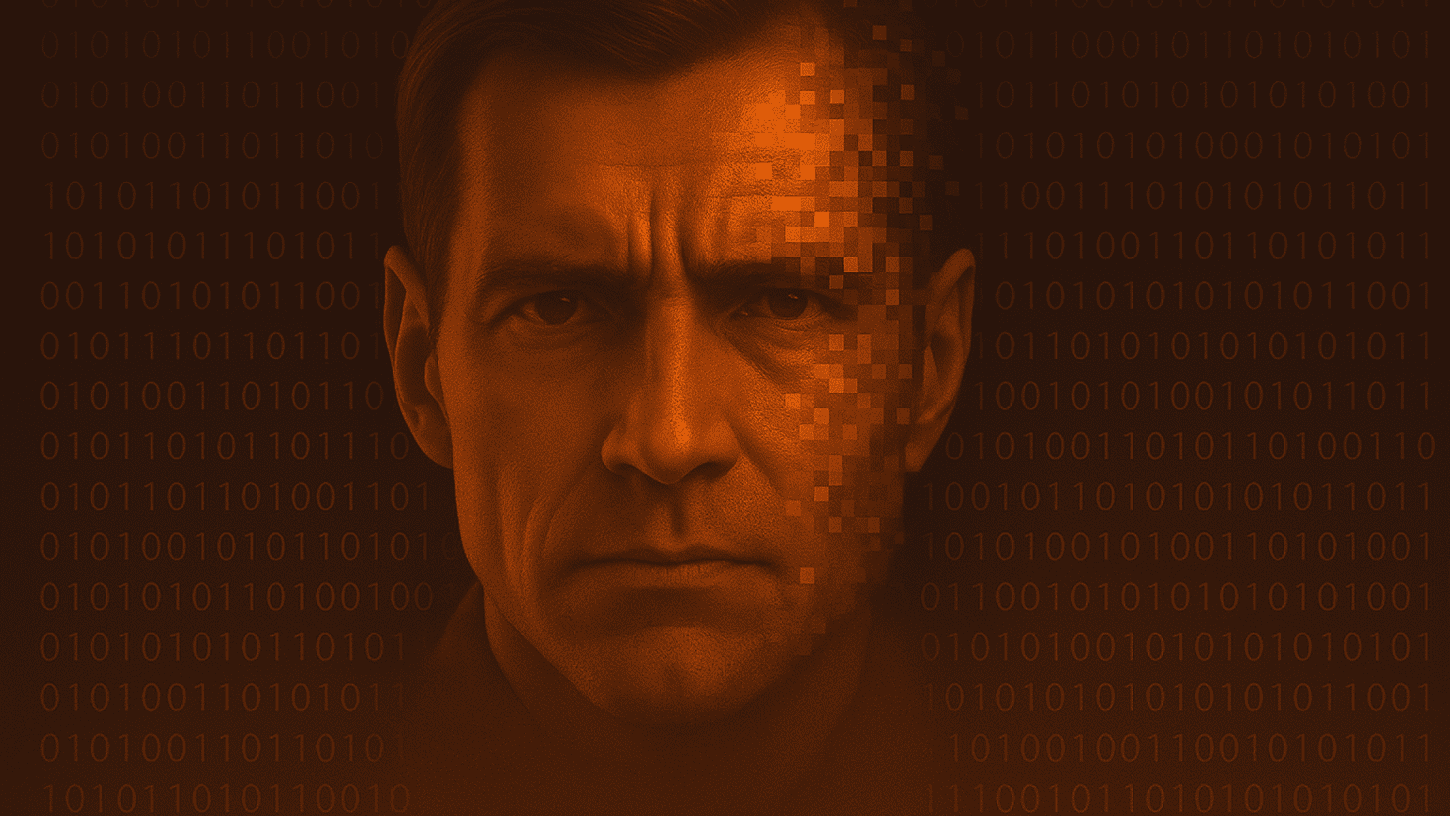
The line between fiction and reality is blurring fast. A new wave of cybercrime is emerging, fueled by AI-driven tools that make deepfakes, fake identities, and forged documents as easy to purchase as a ride-share. Welcome to Fraud-as-a-Service (FaaS), a growing underground market where deepfakes are the new weapon of choice.
Deepfakes Go Mainstream for the Wrong Reasons
Powered by generative AI, deepfake technology has become more accessible and convincing. What was once a novelty is now being mass-produced and sold on darknet forums and Telegram channels. Entire FaaS kits now offer plug-and-play identity fraud services with real-time facial spoofing, synthetic voice generation, and digitally forged documents.
These tools are designed to bypass biometric systems, especially facial recognition platforms used by financial institutions, governments, and enterprise security systems.
Fraud Kits Are the New Startups
FaaS operators mimic startup behavior, offering “customer support,” subscription pricing, and even feature updates. Some even showcase live demos of deepfake tech in action, proving just how convincing their tools can be.
It’s no longer about individual hackers; this is organized, scalable, and marketed with alarming polish.
Bypassing Biometric Defenses
One of the biggest concerns is how effective these tools are at evading liveness detection; the AI safeguards built into most biometric systems to differentiate between a real person and a spoof. Fraudsters are using on-demand AI avatars to appear live and interact in real-time, slipping past systems with frightening ease.
As a result, businesses relying solely on facial verification are facing a severe trust crisis.
Fighting Back: Rebuilding Digital Trust
As sophisticated fraud tools become more available, organizations and individuals must take a layered approach to digital identity security. Here’s how we can push back:
Layered Verification Systems
- Relying on one method, such as face ID, is no longer enough. Combining biometrics with behavioral analytics (e.g., typing rhythm, navigation patterns) and device signals can significantly reduce spoofing success.
Liveness Detection 2.0
- Upgrading to adaptive liveness detection, which dynamically challenges users in real-time with unpredictable prompts, makes it harder for pre-generated deepfakes or AI avatars to succeed.
Blockchain for Identity Anchoring
- Leveraging blockchain to store and validate digital credentials can add a verifiable, tamper-resistant layer to user identities. Decentralized identifiers (DIDs) may soon become a key weapon against synthetic identity fraud.
AI vs AI: Deepfake Detection Tools
- Tools trained to detect AI-generated media are rapidly advancing. Using models that identify inconsistencies in facial movements, lighting, or audio artifacts is essential for frontline defense.
Continuous Monitoring and Threat Intelligence
- Real-time monitoring of fraud signals across platforms and insights from threat intel feeds allow organizations to stay one step ahead of evolving FaaS kits.
User Education & Awareness
- End users remain the last line of defense. Educating individuals on phishing tactics, social engineering, and the risks of oversharing personal data online is more critical than ever.
Final Thoughts
Fraud-as-a-Service isn’t a futuristic concept; it’s already here. With deepfakes for hire and fake identities just a few clicks away, the risk to digital trust has never been greater. But we’re not defenseless.
By combining next-gen detection technologies, blockchain-anchored credentials, and more innovative authentication models, the security community has a fighting chance to stay ahead of synthetic fraud. The future of identity verification will require more than smart code; it will need collaboration, innovation, and constant vigilance.
Stay informed on emerging threats, AI innovations, and digital defense strategies at Bitrora.com, your source for blockchain, cybersecurity, and the future of digital identity.