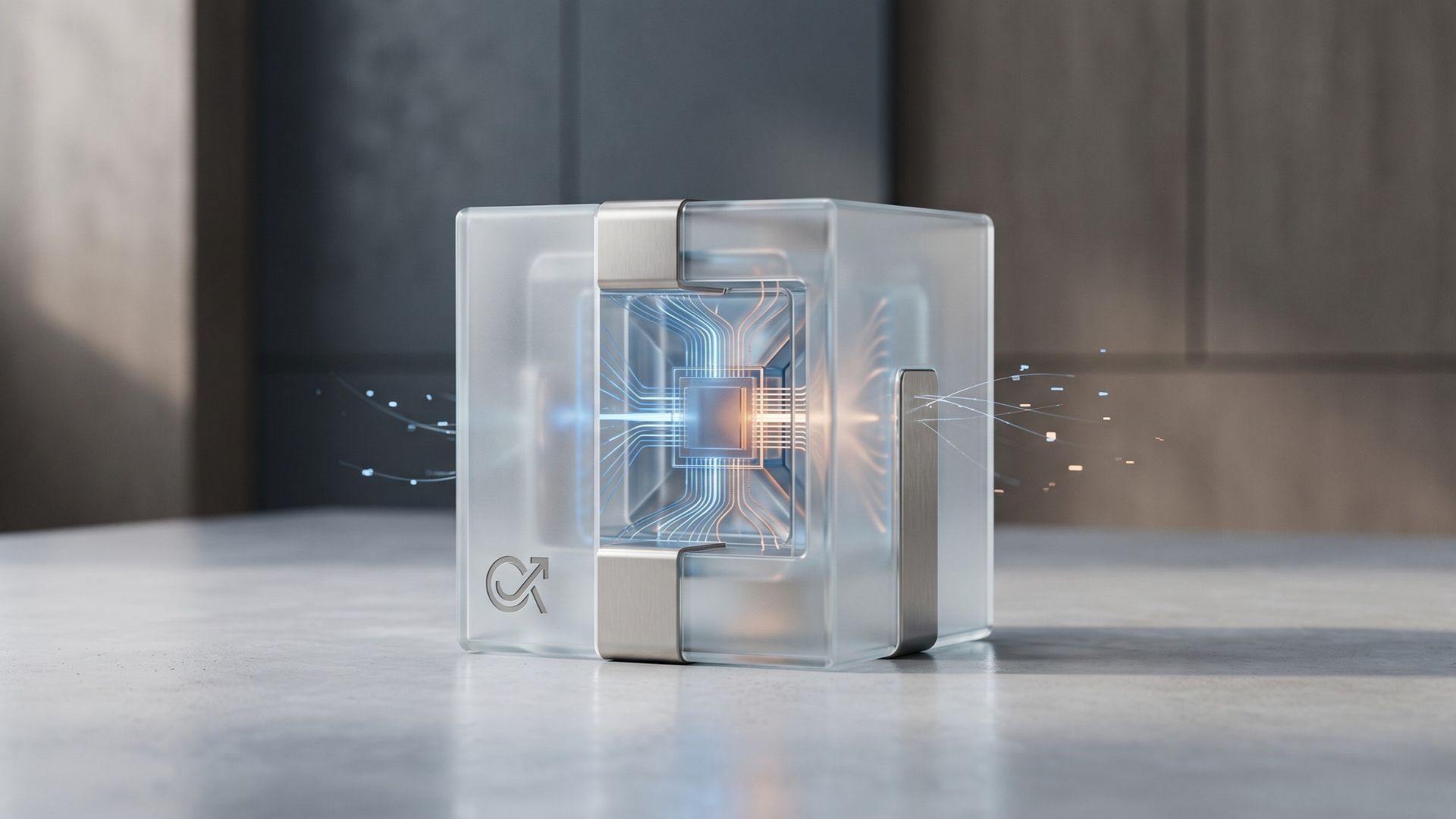
Donut Lab has unveiled what it describes as a production-ready all-solid-state battery, positioning the technology as a direct successor to conventional lithium-ion cells rather than a long-term research project. Announced at CES 2026, the battery is claimed to deliver up to 100,000 charge cycles while fully eliminating the risk of thermal runaway, two of the most persistent constraints facing modern electric vehicles (EVs).
If validated at scale, the announcement challenges an industry consensus that solid-state batteries would not reach commercial readiness until the next decade.
Redefining Battery Longevity
The most consequential claim in Donut Lab’s announcement is cycle life. A projected 100,000 full charge-discharge cycles would place the battery several orders of magnitude beyond today’s lithium-ion packs, where gradual degradation is accepted as inevitable.
According to CEO Marko Lehtimäki, the battery is engineered to tolerate continuous high-power charging without the accelerated wear that affects current chemistries. In practical terms, the company says users can repeatedly charge to 100% and discharge to zero without modifying behavior to preserve battery health, a departure from best-practice guidance commonly associated with lithium-ion systems.
Implications for Residual Value
Battery degradation is one of the primary drivers of depreciation in EVs, particularly for fleets where utilization is high. Donut Lab argues that a battery capable of near-limitless cycling fundamentally changes total cost of ownership.
For operators, this could mean:
- Vehicles remaining serviceable for longer operational lifetimes
- Reduced need for mid-life battery replacements
- More predictable residual values at resale
In theory, the battery becomes a long-term asset rather than a consumable component.
Engineering Safety: Zero Thermal Runaway
Safety remains a defining concern in the transition to electrified transport. Lithium-ion batteries rely on flammable liquid electrolytes, which can trigger cascading failures when cells overheat or short internally.
Donut Lab states that its solid-state architecture removes liquid electrolytes entirely, eliminating a primary ignition pathway. The company says the design prevents both thermal runaway chains and metallic dendrite formation, two common failure mechanisms in conventional cells.
In internal validation tests, Donut Lab reports that the battery remained stable without ignition even when exposed to temperatures exceeding 100°C.
Extreme Temperature Performance
Beyond fire risk, temperature sensitivity affects performance consistency. Donut Lab claims its battery retains over 99% of capacity at −30°C, a notable contrast to lithium-ion cells that often suffer reduced output and charging limitations in cold environments.
At the opposite extreme, performance reportedly remains stable at high temperatures without the intensive thermal management systems typically required to prevent accelerated degradation.
Technical Specifications vs. Lithium-Ion
Donut Lab positions its technology as competitive across performance, safety, and economics:
- Energy Density: Approximately 400 Wh/kg, enabling lighter vehicle architectures or longer range within existing designs.
- Charging Speed: Support for a full charge in as little as five minutes under optimal conditions.
- Materials & Cost: Manufactured using what the company describes as abundant, non-geopolitically sensitive materials, with a projected material cost below that of lithium-ion cells.
These claims, if borne out, address not only technical limitations but also supply-chain risk, an increasingly important factor in global EV manufacturing.
Wider Context: Beyond the Automotive Sector
While the initial commercial rollout is tied to vehicles, most visibly through deployment in Verge Motorcycles’ Q1 2026 lineup – the underlying characteristics of the battery extend its relevance well beyond mobility.
Grid Storage and Defense Applications
A cycle life measured in tens of thousands is particularly attractive for stationary energy storage, where replacement costs dominate long-term operating expenses. Grid balancing, renewable integration, and data center backup systems all depend on batteries that can cycle frequently without degradation.
The safety profile has also drawn interest from the defense sector. ESOX Group is already deploying the battery in tactical buggies and unmanned platforms, environments where reliability under extreme conditions is non-negotiable.
Impact and What Comes Next
The introduction of a production-ready solid-state battery in 2026 compresses a timeline many analysts previously placed closer to the 2030s. By shipping units now, Donut Lab is attempting to move the conversation from theoretical advantage to operational proof.
The immediate test will be real-world deployment, particularly the performance of Verge TS Pro motorcycles expected on public roads this quarter. If the claims around cycle life, safety, and cost parity hold under sustained use, the implications could extend well beyond two-wheelers, forcing a broader reassessment of lithium-ion’s role as the default energy storage technology.
For an industry built around managing battery compromise, Donut Lab’s message is unambiguous: the next phase of electrification may no longer require it.