Bybit Expands Global Infrastructure with Localized Payment Gateways in Africa and LATAM

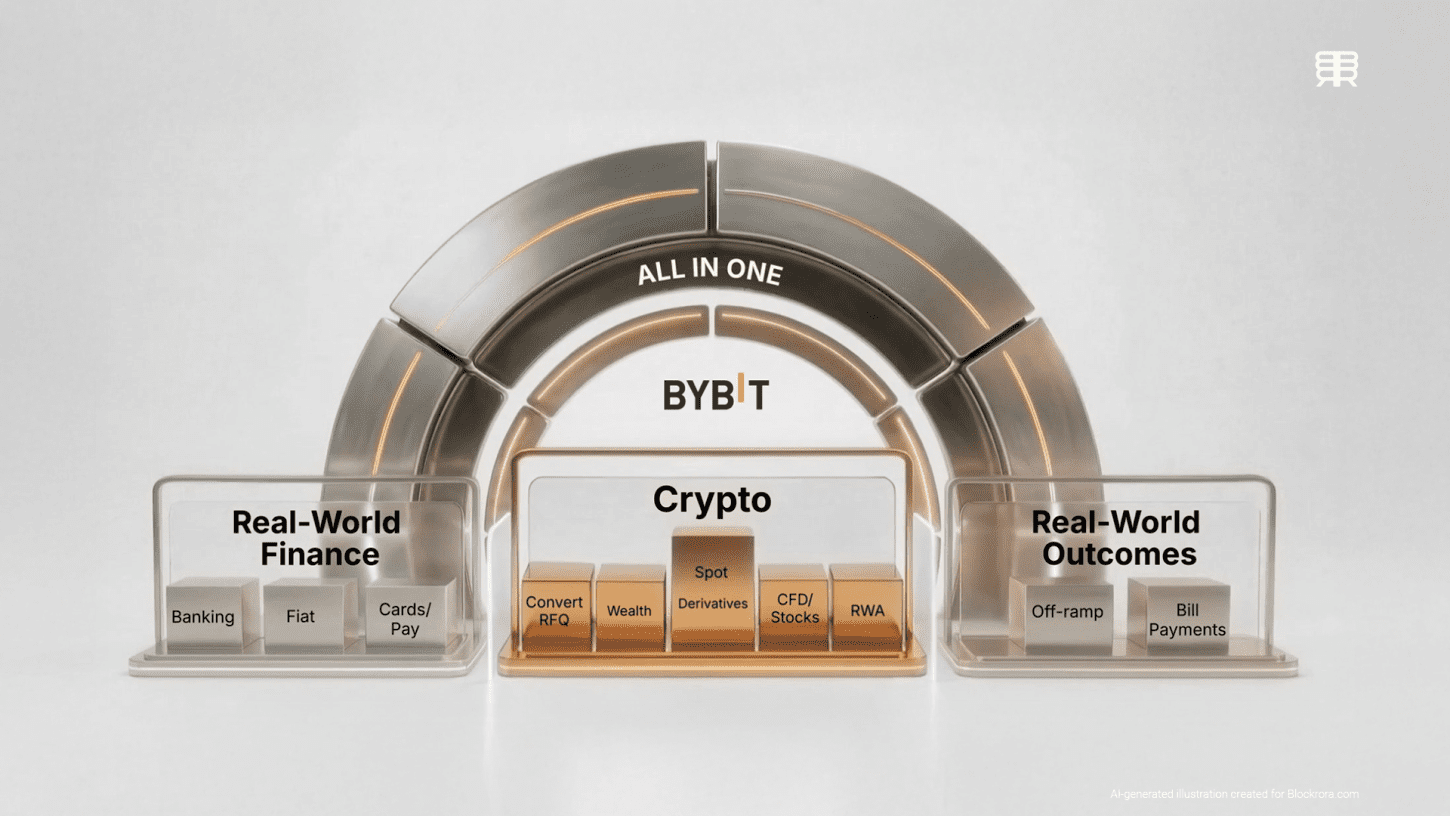
Bybit has officially announced a major expansion of its localized payment infrastructure across Africa and Latin America (LATAM), aiming to streamline the transition between fiat and digital assets. Speaking at the H2 2025 keynote, CEO Ben Zhou detailed the integration of several regional payment gateways, including M-Pesa in Kenya and Pix in Brazil. This move is part of Bybit’s broader 2026 strategy to act as a “financial platform” for the world’s 1.4 billion unbanked individuals, providing them with banking-like utility via a smartphone.
Strategic On-Ramps in Developing Economies
Integration of M-Pesa and Pix
To address the unique financial landscapes of Africa and LATAM, Bybit is prioritizing integrations with dominant local payment providers. In Brazil, the integration with Pix, the country’s instant payment system, allows for near-instantaneous fiat-to-crypto transfers. Similarly, in Kenya, the adoption of M-Pesa provides a critical link for millions of mobile money users to enter the digital asset market without requiring a traditional bank account. These localized gateways are designed to bypass the friction often encountered when using global credit cards or international wire transfers in these regions.
Expansion of the Bybit Card and QR Payments
Bybit is also scaling its physical and digital payment tools to support real-world utility. The Bybit Card, which has already surpassed 3 million issued units globally, is being rolled out to new regions with localized support, including a recent launch for the CIS region via Georgia. For daily transactions, Bybit is pushing QR-based payments, which Zhou identified as a preferred method for users in developing markets to pay for groceries, subscriptions, and services using their crypto balances.
Compliance and Localized Infrastructure
Building Local KYC and AML Frameworks
Expanding into diverse jurisdictions requires a “human and humble” approach to regulation. Bybit is currently connecting to local Know Your Customer (KYC) and Anti-Money Laundering (AML) infrastructures in countries like Peru and Bolivia to ensure compliance with regional digital policies. By aligning with local laws, Bybit aims to provide a “smooth” user experience that feels native to the user’s home country while maintaining the security standards of a global financial institution.
The Role of MiCA and UAE Licensing
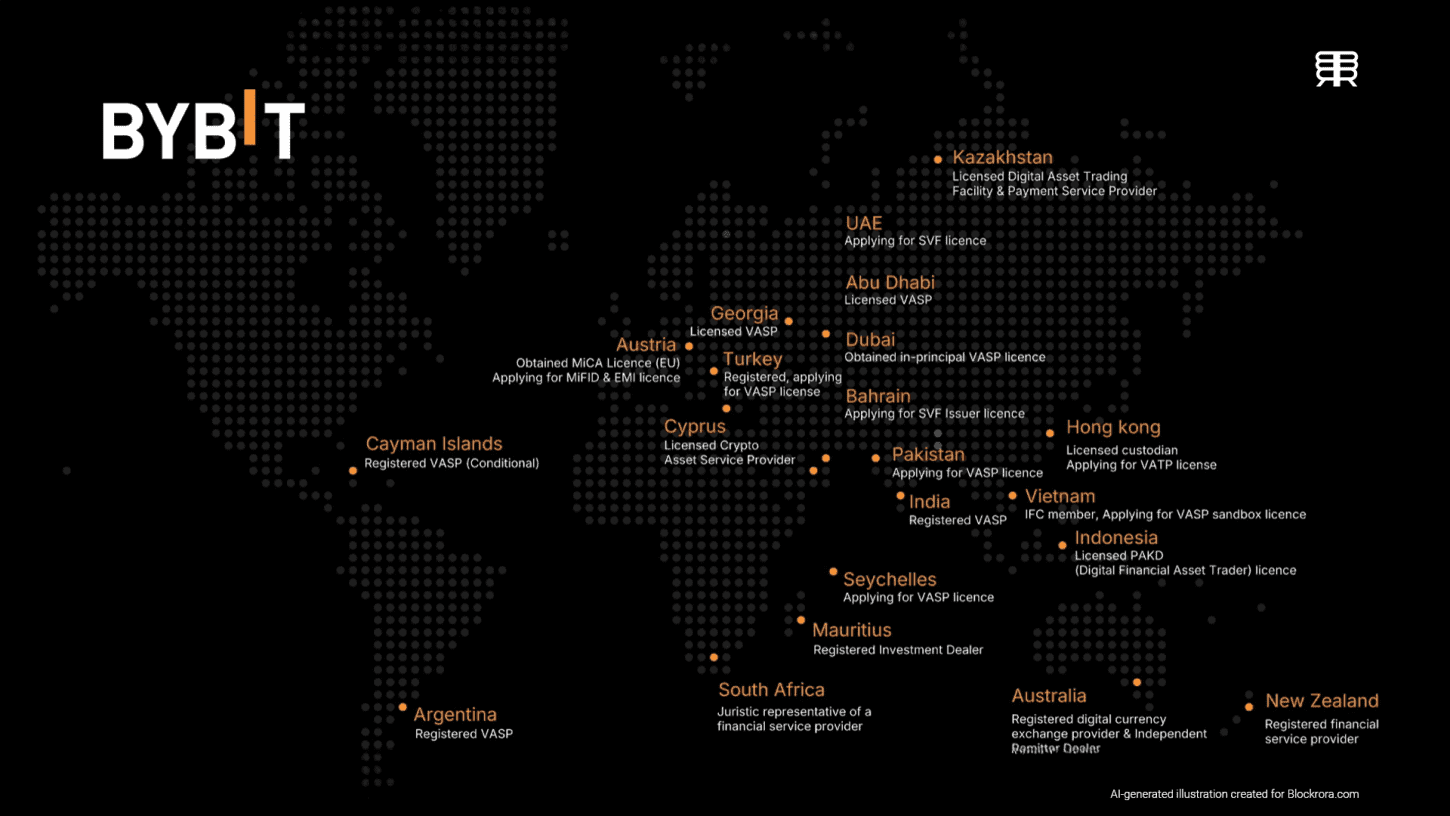
Bybit’s global expansion is anchored by its major licenses, including the MiCA license in the EU and its federal SCA license in the UAE. These frameworks provide the legal stability necessary to negotiate partnerships with regional banks and payment aggregators. Zhou noted that being compliant in all 181 countries of operation is the foundation of Bybit’s long-term vision to replace the “segregated” traditional financial system with a unified, 24/7 marketplace.
Wider Context: Fintech as a Catalyst for Inclusion
The expansion of localized gateways reflects a shift in the crypto industry toward “hyper-localization.” Bybit is no longer competing solely with other exchanges but with regional fintech giants and neo-banks. As global crypto adoption nears 9%, the ability to provide reliable, low-cost “on-and-off ramps” in emerging markets is becoming the primary differentiator for platforms seeking to onboard the next billion users.
Impact & What’s Next
Bybit’s focus for the remainder of 2026 involves further deep-integration with local banking routes in the Nordic region and additional LATAM territories. The upcoming launch of MyBank in February 2026 will further enhance these localized gateways by providing users with personal IBANs, effectively turning the Bybit app into a full-service retail bank. These developments imply a future where geopolitical barriers to financial participation are significantly lowered, allowing for a more equitable global digital economy.