Bybit CEO Unveils ‘MyBank’ Retail Service and February 2026 Launch Date

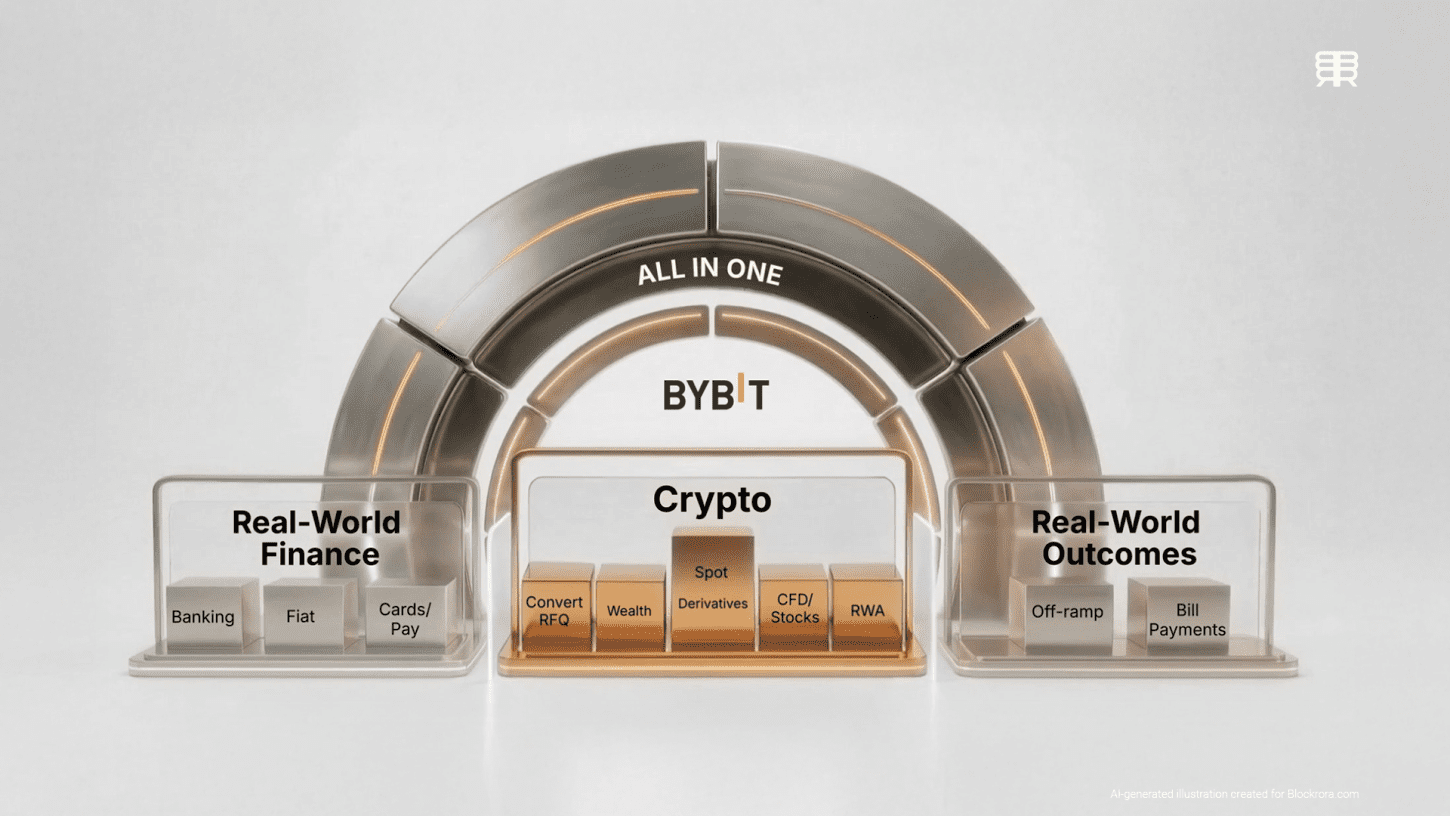
Bybit CEO Ben Zhou announced the upcoming launch of “MyBank,” a retail banking integration designed to provide users with personal IBANs and seamless fiat-to-crypto connectivity. Speaking at the H2 2025 keynote, Zhou confirmed the service will debut in February 2026, marking a significant transition for the company from a crypto exchange to a comprehensive financial platform. This development aims to eliminate the historical friction between digital asset platforms and traditional banking institutions.
The Intersection of Crypto and Traditional Banking
How MyBank Facilitates Direct Fiat-to-Crypto Management
The introduction of MyBank represents Bybit’s strategy to capture a larger share of the retail market by providing traditional banking utility. Once users complete standard Know Your Customer (KYC) protocols, they will be issued a bank account under their own name.
This personal IBAN allows for the direct receipt of salaries, payment of domestic bills such as rent or utilities, and the transfer of funds to third parties. By holding the account in the user’s name rather than a corporate pool, Bybit aims to reduce the likelihood of traditional banks flagging or blocking transactions to and from the platform.
Global Infrastructure and On-Ramp Expansion
Beyond the MyBank announcement, Bybit detailed its expansion of localized infrastructure across 181 countries. The platform is now connected to nearly 2,000 local banks and supports over 80 fiat gateways.
In developing markets, particularly across Africa and LATAM, Bybit Pay has integrated with local solutions such as M-Pesa in Kenya and Pix in Brazil. This hyper-local approach ensures that users in emerging digital economies can participate in the global financial system with minimal barrier to entry.
Regulatory Compliance and Global Licensing
Securing MiCA and UAE Federal Licenses
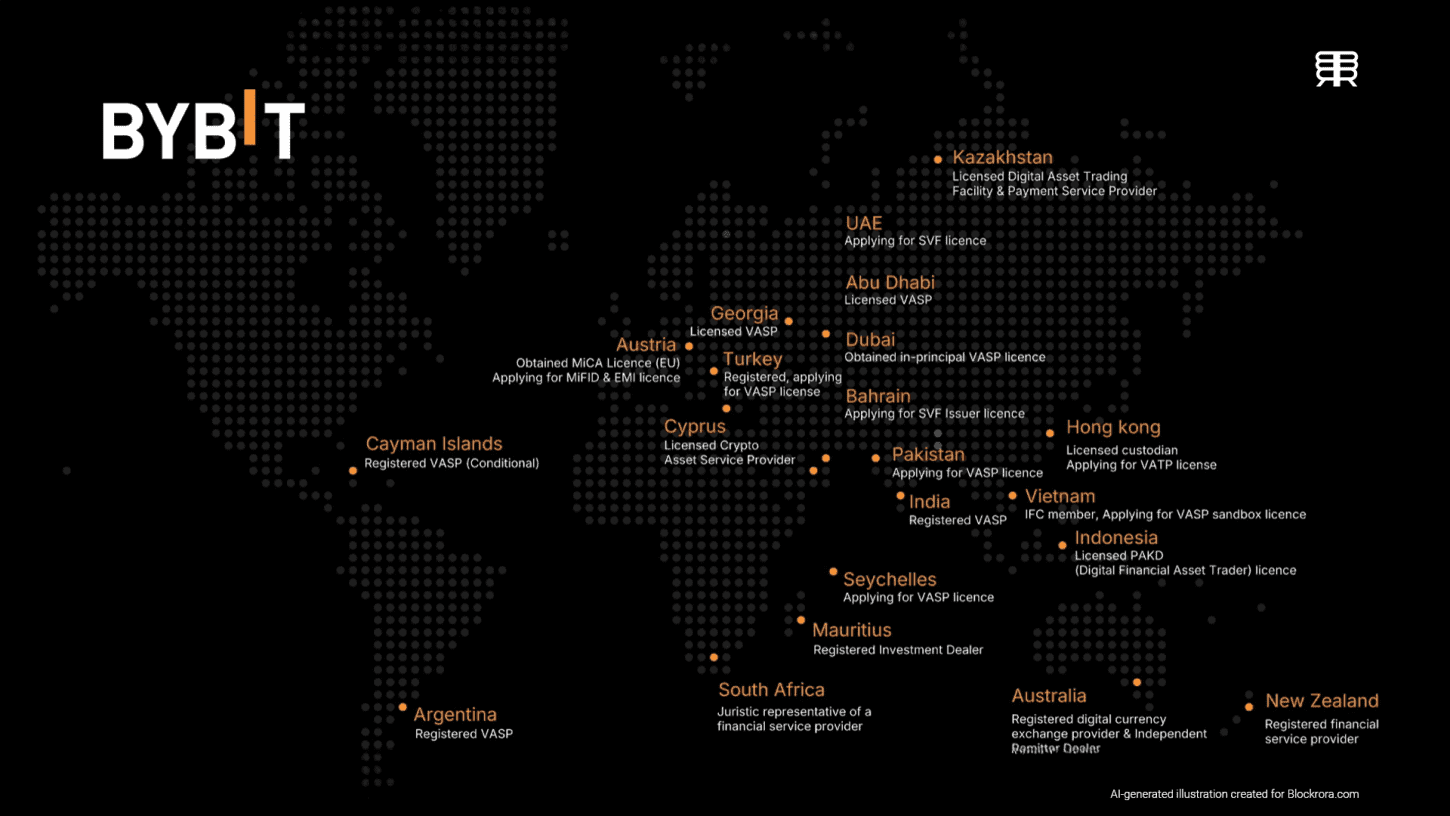
Bybit’s shift toward banking services is underpinned by a push for global regulatory legitimacy. In 2025, the company secured a MiCA (Markets in Crypto-Assets) license through FMA Austria, granting it operational rights across the European Union.
Additionally, Bybit is the only global exchange to hold a federal-level SCA license in the United Arab Emirates. These licenses provide the legal framework necessary to offer retail banking products and institutional-grade custody solutions.
Wider Context: The Convergence of Fintech and Web3
The launch of MyBank aligns with a broader industry trend where centralized exchanges (CEXs) are evolving into “super-apps.” Competitors like Binance and Crypto.com have previously introduced card services, but Bybit’s move toward personal IBANs positions it closer to neo-banks like Revolut or Monzo.
As digital policy matures globally, the distinction between fintech and crypto platforms is blurring. The demand for 24/7 financial markets, where traditional stocks and digital assets are managed within a single interface, is driving this structural shift in global finance.
Impact & What’s Next
The rollout of MyBank in February 2026 is expected to increase user retention by providing a primary financial hub for both fiat and digital assets. For the estimated 1.4 billion unbanked individuals globally, such integrations provide a critical bridge to formal financial services via a smartphone.
In the coming months, Bybit plans to further localize KYC and Anti-Money Laundering (AML) infrastructure in the Nordic region and South America (Peru and Bolivia). The market will also look toward the potential integration of Real-World Asset (RWA) yield products into these retail accounts, allowing users to earn on traditional assets like T-bills while maintaining crypto liquidity.