Bybit CEO Details Shift Toward Unified Global Financial Platform Identity


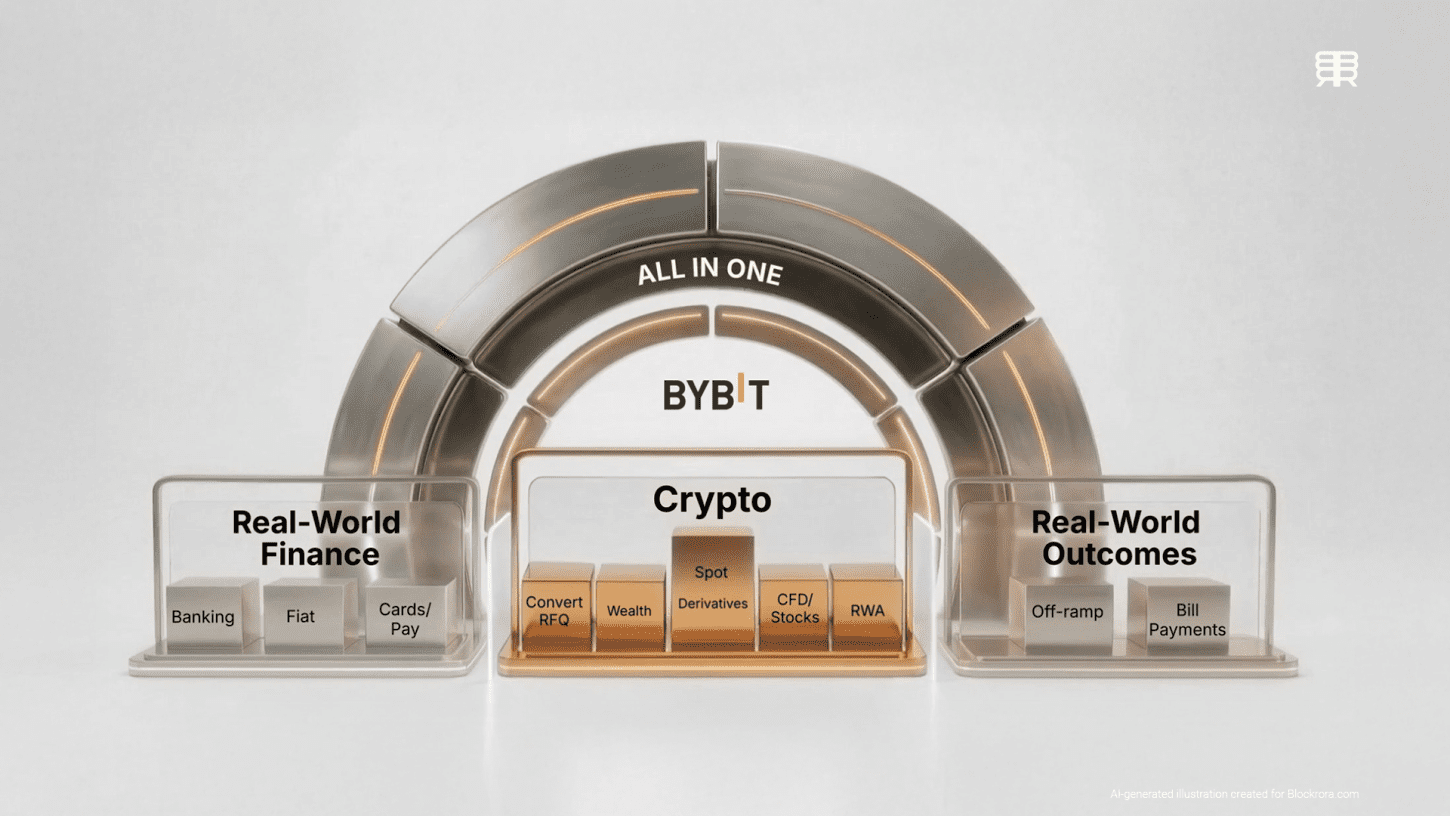
Bybit CEO Ben Zhou has officially outlined a strategic pivot intended to transform the company from a centralized cryptocurrency exchange into a unified global financial platform. Speaking at the H2 2025 keynote, Zhou emphasized that the traditional barriers between digital assets and legacy finance are dissolving, necessitating an infrastructure that supports banking, payments, and wealth management within a single ecosystem. This shift comes as global crypto ownership reaches approximately 9%, signaling a move toward mainstream financial integration.
The Architecture of a Unified Ecosystem
Bridging the Gap Between Web2 and Web3
The core of Bybit’s new identity rests on its ability to serve as a catalyst for crypto adoption by bridging traditional finance (TradFi) with the decentralized economy. The platform is moving beyond simple trading pairs to offer a comprehensive suite of products that include institutional-grade custody, Real-World Asset (RWA) integration, and traditional commodity trading. Zhou noted that the current financial system remains segregated, leaving 1.4 billion people unbanked, a gap Bybit intends to fill with mobile-first, internet-native financial tools.
Institutional Infrastructure and RWA Integration
To support this unified identity, Bybit has introduced “Bybit Custody,” a solution utilizing Multi-Party Computation (MPC) to eliminate single points of failure for high-net-worth and institutional clients. Furthermore, the platform has integrated with multiple RWA partners—including UBS and QNB—allowing users to utilize tokenized gold and T-bills as trading collateral. This integration allows for capital efficiency that mirrors traditional prime brokerage services while maintaining the 24/7 liquidity of the crypto market.
Operational Excellence and Risk Management
Lessons from Market Volatility
Reflecting on the industry-wide crash of October 11, 2025, Zhou highlighted Bybit’s technical resilience, maintaining 100% uptime while processing over one million requests per second. However, the platform is implementing new “smarter” mark-price mechanisms to remove anomaly pricing that often triggers unfair liquidations during periods of extreme volatility. Additionally, a new portfolio insurance pool has been established to mitigate the impact of Auto-Deleveraging (ADL) on profitable positions.
Regulatory Leadership in the MiCA Era
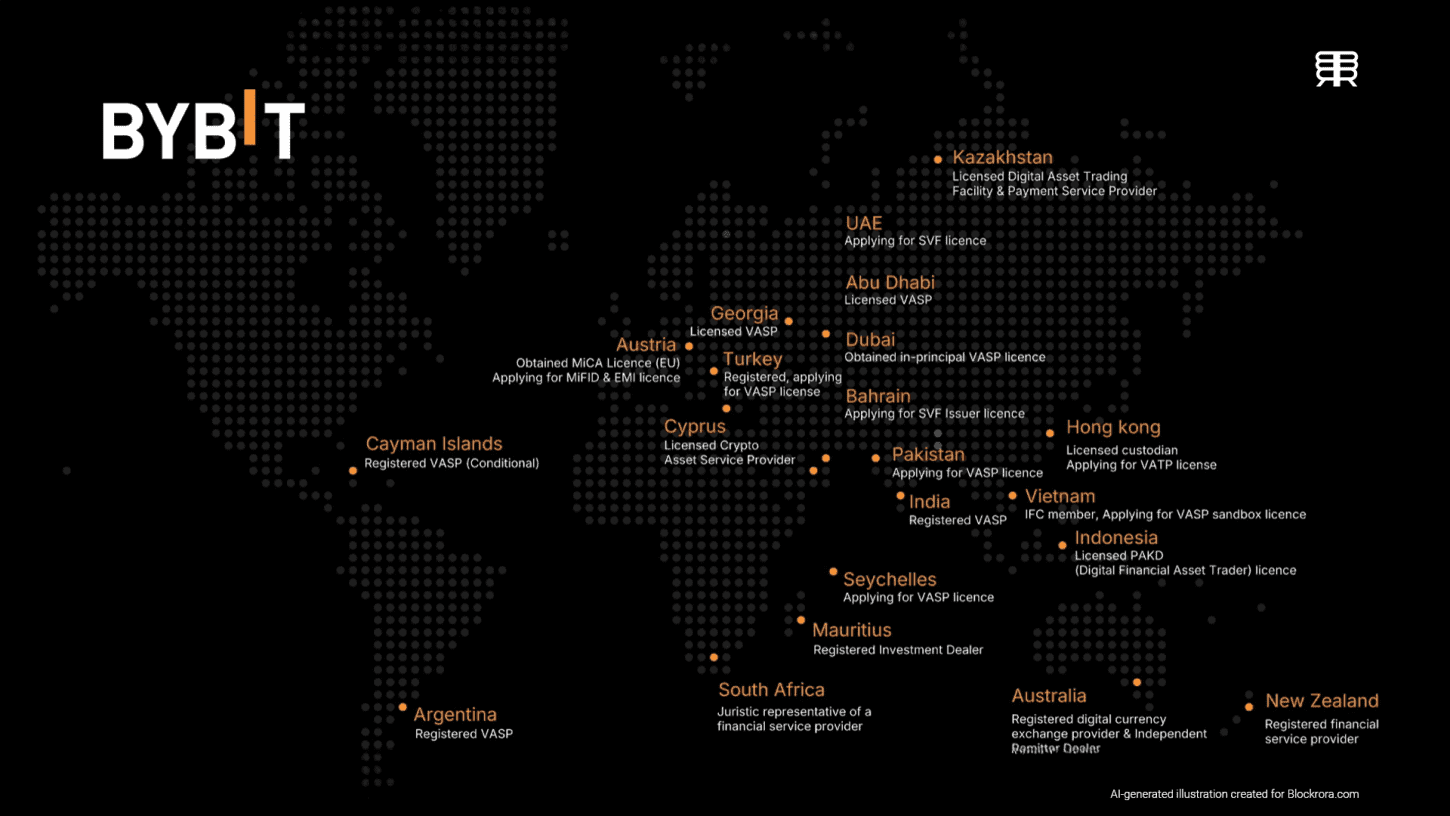
A unified global identity requires rigorous adherence to international compliance standards. Bybit has secured a MiCA (Markets in Crypto-Assets) license through FMA Austria, facilitating its expansion across the European continent. Combined with a federal SCA license in the UAE, these regulatory milestones position Bybit as a compliant entry point for traditional institutional capital entering the digital asset space.
Wider Context: The 2026 AI Roadmap
The transition to a unified platform will be powered by “TradeGPT,” which is set to evolve into a functional AI agent in 2026. This tool will transition from a simple chatbot to an automated strategist capable of executing complex requests, such as funding fee arbitrage or personalized spending analysis for Bybit Card users. By integrating AI into the core user experience, Bybit aims to simplify its increasingly complex product line for retail users while maintaining high-end functionality for professionals.
Impact & What’s Next
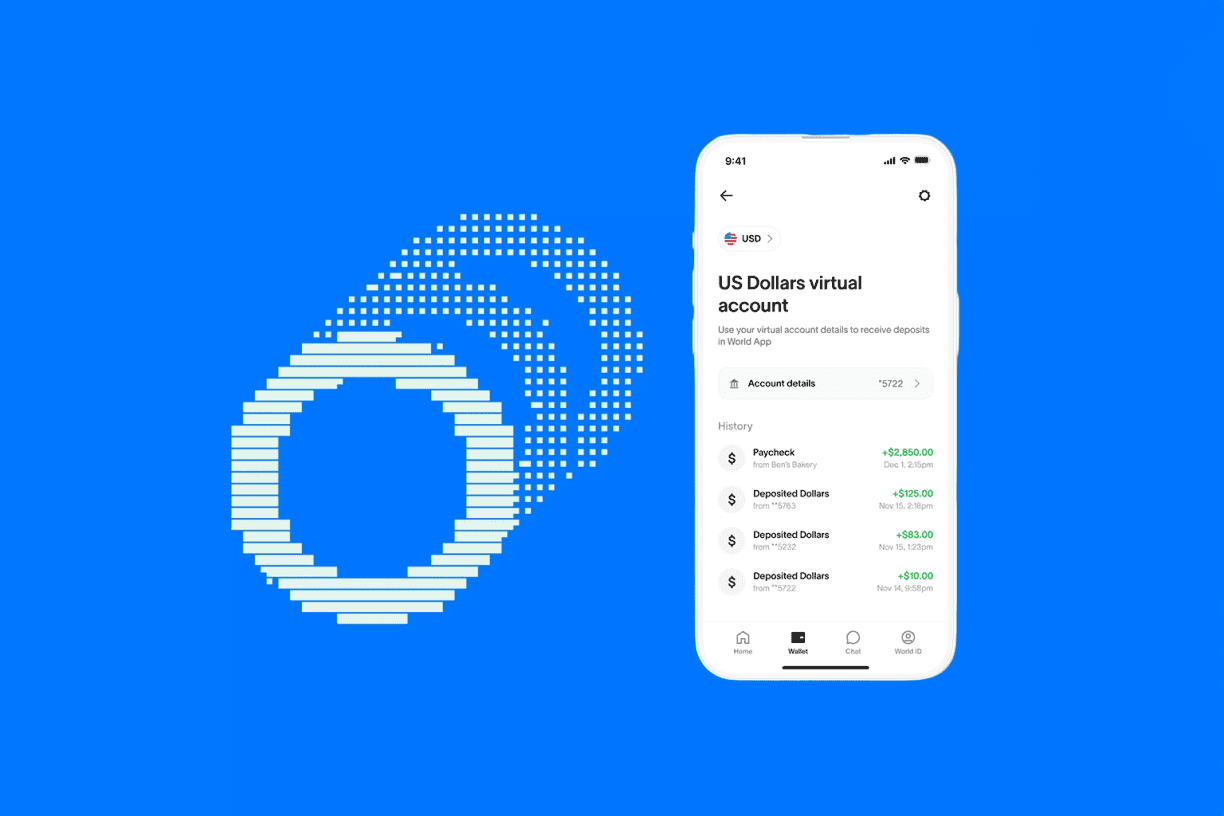
Bybit’s evolution suggests that the future of the crypto industry lies in total financial horizontal integration. The launch of “MyBank” in February 2026 will be the primary test of this unified identity, providing users with the tools to manage their entire financial life—from receiving salaries to trading derivatives—under one digital roof.
The platform’s focus for 2026 remains on localized infrastructure, ensuring that users in regions like the Nordics, Peru, and Bolivia have access to smooth fiat on-and-off ramps that feel as local as their native banking apps.