Klever Launches Rust-Based Virtual Machine (KVM) to Expand Smart Contract Capabilities
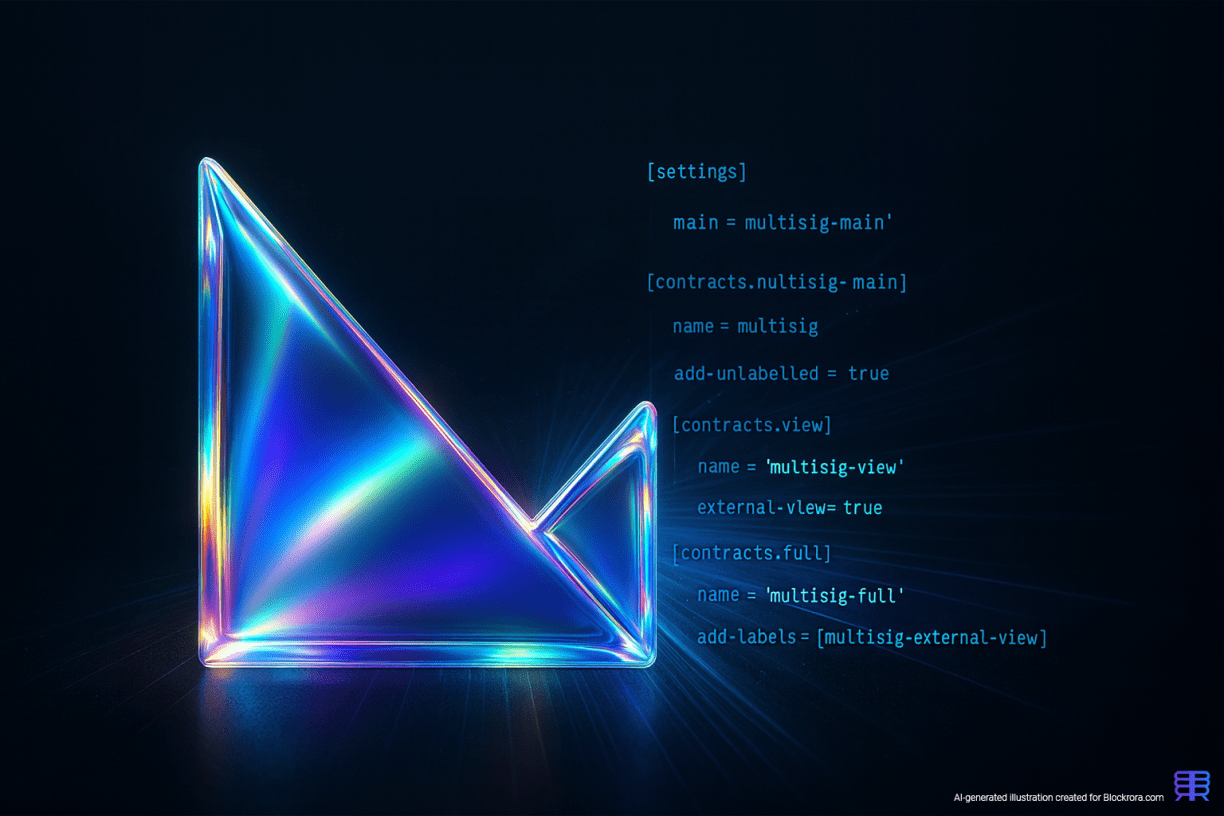
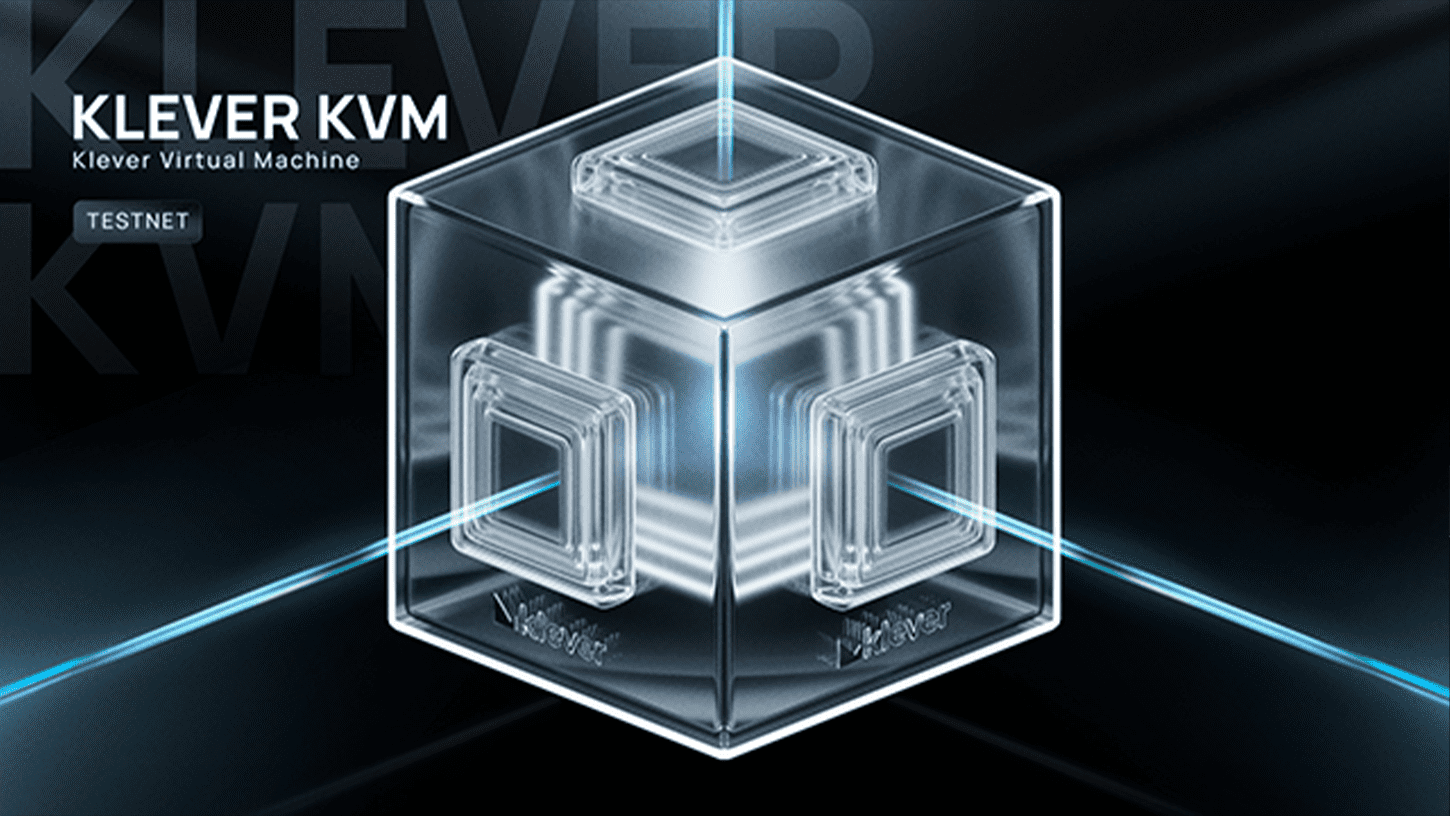
Klever has deployed its new execution layer, the Klever Virtual Machine (KVM), enabling developers to write smart contracts in Rust compiled to WebAssembly (WASM). The mainnet upgrade, labeled v1.7.14, aims to increase transaction throughput and mitigate common vulnerabilities found in legacy contract systems.
Shift to Rust and WebAssembly
The v1.7.14 update marks a technical pivot for the Klever Blockchain, moving beyond its initial low-code “kapps” model to a fully programmable environment. The KVM allows for the execution of complex, Turing-complete smart contracts.
Klever selected Rust as the primary development language. Rust is widely utilized in systems programming for its memory safety guarantees, which prevent common bugs such as null pointer dereferencing and buffer overflows – issues that have historically led to exploits in other blockchain ecosystems.
The code is compiled to WebAssembly (WASM), a binary instruction format designed for high-performance execution. This architecture allows the KVM to process transactions with greater speed and efficiency compared to traditional interpreted virtual machines.
Developer Tooling and Infrastructure
Alongside the core protocol update, several development tools were released to support the new environment:
- VS Code Extension: A native integration allowing engineers to build, test, and deploy contracts directly from Visual Studio Code.
- KleverScan Contract Area: An on-chain verification tool for auditing smart contract code and transactions transparency.
- KDA Fee Pools: A mechanism allowing project developers to subsidize network fees for their users, reducing friction for end-users interacting with decentralized applications (dApps).
Introduction of Semi-Fungible Tokens (SFTs)
The update introduces native support for Semi-Fungible Tokens (SFTs). Unlike standard fungible tokens (like currencies) or Non-Fungible Tokens (NFTs), SFTs can transition between states.
For example, a concert ticket can exist as a fungible token (identical to others) before sale, and transform into a non-fungible unique asset upon redemption or use. This standard is increasingly relevant for gaming, logistics, and event ticketing sectors.
Wider Context: The Industry Move to WASM
The adoption of Rust and WASM places Klever alongside other high-throughput layer-1 blockchains such as Polkadot, Near, and MultiversX.
While the Ethereum Virtual Machine (EVM) and Solidity remain the industry standard for liquidity, newer infrastructure layers are prioritizing WASM for its portability and execution speed. This trend suggests a bifurcated market where legacy chains optimize for EVM compatibility, while newer networks optimize for raw computational performance and type safety.
Future Interoperability
Technical documentation released with the update outlines an upcoming Ethereum Bridge. Once active, this will allow for the bidirectional transfer of ERC-20 tokens between Ethereum and Klever, addressing liquidity fragmentation between the two networks.