TikTok Shop Enters the Digital Gift Card Market, Taking Aim at Amazon and eBay

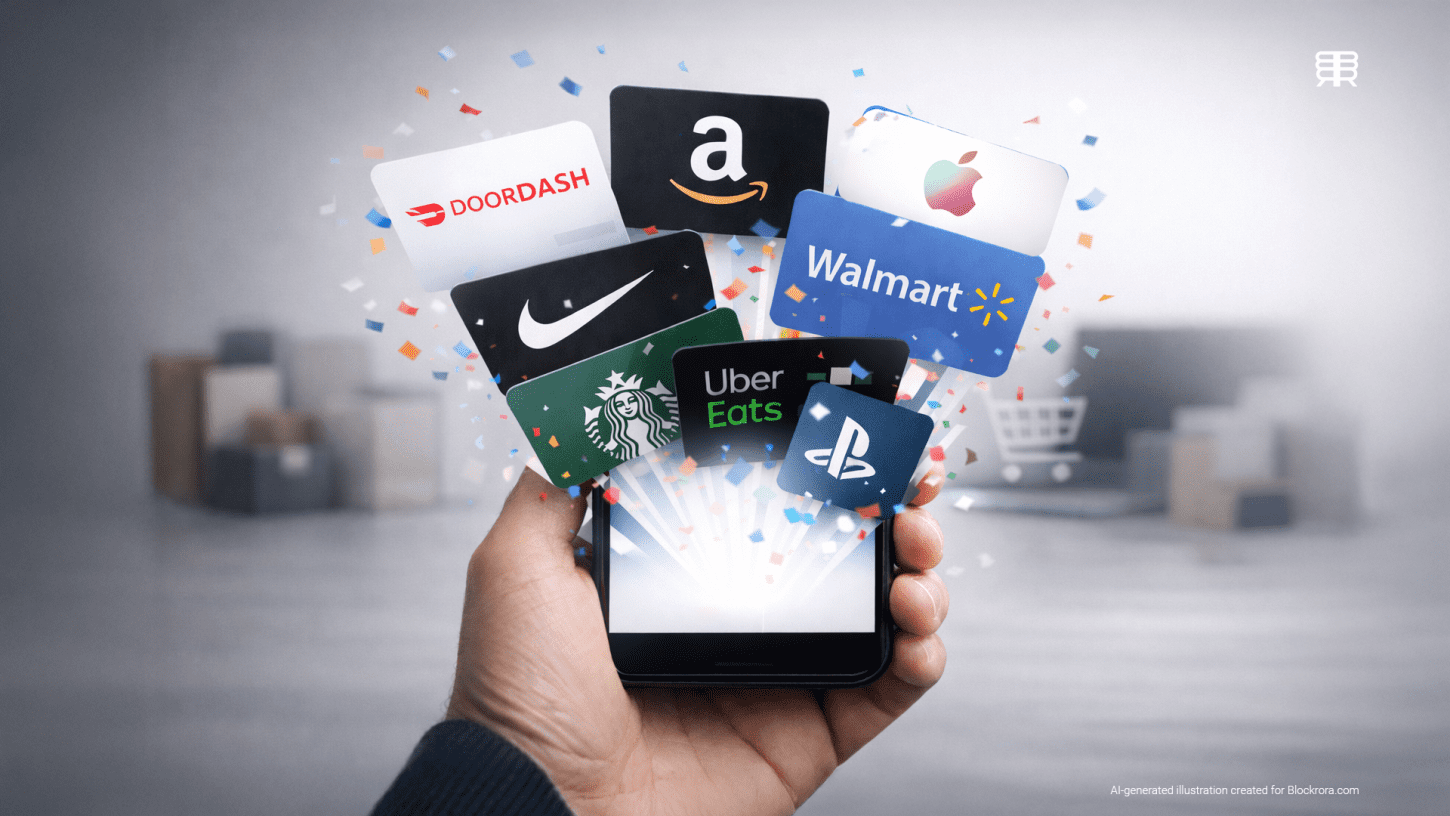
TikTok Shop has launched a digital gift card feature in the United States, expanding its e-commerce functionality as it moves to compete more directly with established online marketplaces such as Amazon and eBay. The new feature enables users to purchase and send digital gift cards within TikTok’s platform, further embedding commerce into its social ecosystem.
The launch forms part of TikTok Shop’s broader effort to scale beyond creator-led transactions and position itself as a full-service online marketplace in the U.S.
Digital Gift Cards Introduce Wallet-Based Spending
The digital gift cards are available in denominations ranging from $10 to $500. Cards are delivered electronically via email, and recipients must have an active TikTok account to redeem them.
Once redeemed, the value is credited to a user’s TikTok Balance or TikTok Wallet, where funds can be used toward purchases on TikTok Shop. This wallet-based approach aligns TikTok Shop with payment systems used by other large consumer platforms, while keeping transactions native to TikTok’s environment.
Social Gifting Features Set TikTok Apart
Unlike traditional gift cards offered by major e-commerce platforms, TikTok Shop has integrated social interaction directly into the gifting experience. Users can personalize gift cards with animated designs suited for occasions such as birthdays, weddings, and thank-you messages.
Recipients are able to reply with a digital note or send a gift card in return, reinforcing TikTok’s emphasis on two-way engagement rather than one-time transactions.
Video Messages and Interactive Features Planned for 2026
TikTok has stated that additional functionality will be introduced in 2026 to further integrate gifting with its core video format. Planned updates include the ability to attach recorded or uploaded video messages to digital gift cards.
The company has also announced plans for an “interactive unboxing” feature designed to capture a recipient’s reaction in real time as a gift card is opened. These features have been described as future enhancements and are not currently available.
Expansion Follows Strong U.S. Holiday Sales Performance
The launch of digital gift cards follows a period of strong U.S. sales performance for TikTok Shop. During the four-day period covering Black Friday and Cyber Monday, the platform reported more than $500 million in sales in the United States, according to published reports.
TikTok Shop has also been expanding into higher-priced and luxury product categories, signaling an effort to move beyond impulse purchases and establish itself as a broader retail destination.
U.S. Rollout Comes Amid Regulatory Uncertainty
The digital gift card feature is currently limited to users in the United States. The rollout comes as TikTok continues to face uncertainty regarding its long-term operations in the country.
U.S. policymakers have raised concerns around ownership and data governance, and TikTok is navigating the possibility of a forced divestment. President Donald Trump has extended the deadline for a resolution to January 23, 2026.
Reports indicate that TikTok CEO Shou Zi Chew has informed employees that an agreement has been signed to spin TikTok’s U.S. operations into a new entity controlled by American investors, though specific structural details have not been publicly disclosed.
What the Launch Signals for TikTok Shop
The introduction of digital gift cards highlights TikTok Shop’s intention to deepen its payments and commerce infrastructure in the U.S. market despite regulatory headwinds. By combining wallet-based spending with social interaction and video features, TikTok is pursuing a commerce model distinct from the utility-first approaches of Amazon and eBay.
Whether the feature becomes a long-term growth driver will depend on user adoption, merchant participation, and the outcome of TikTok’s regulatory negotiations in the United States.