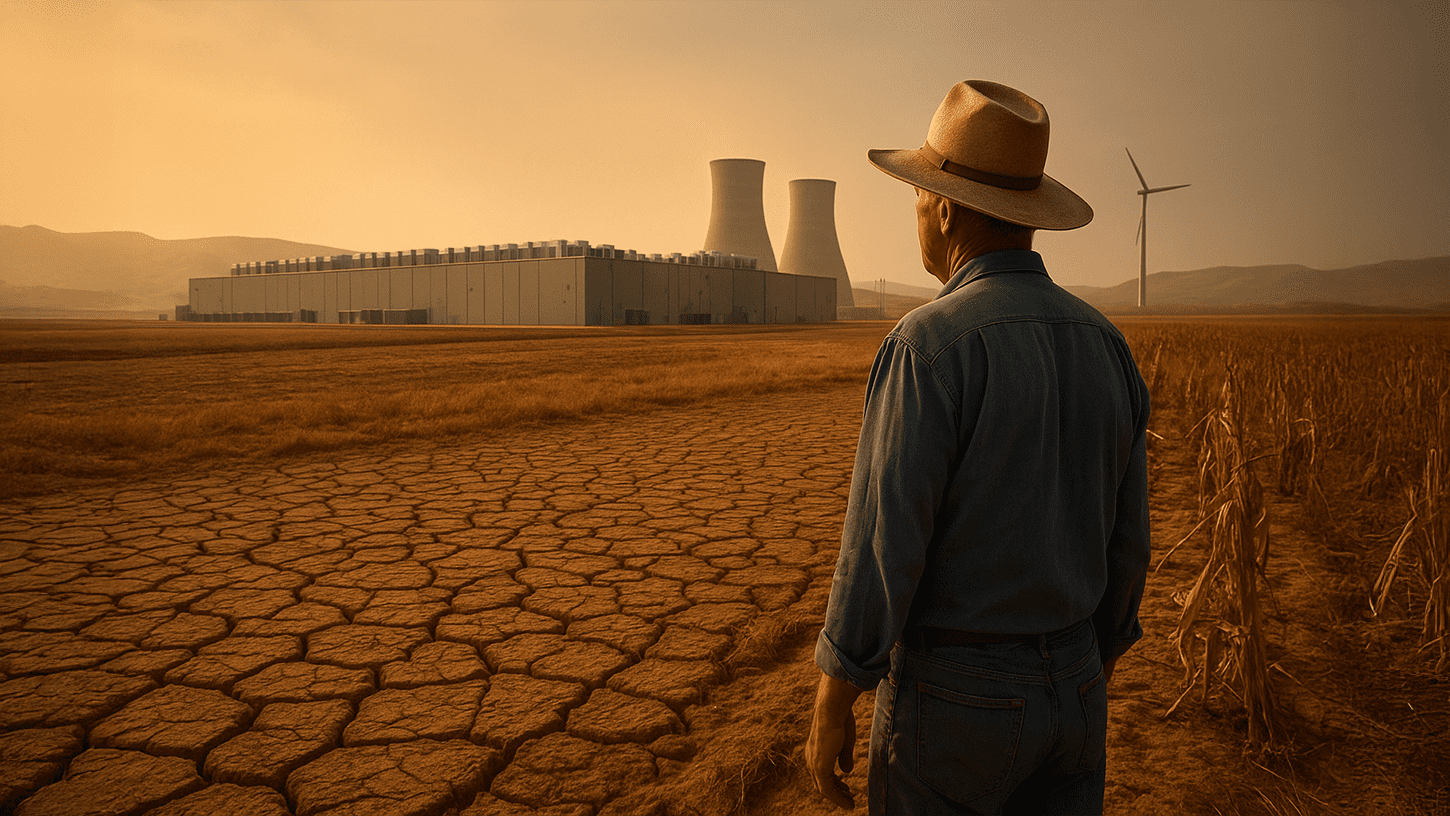
Rising Utility Bills and Data Center Expansion Become 2026 Midterm Election Flashpoints

Voter frustration over soaring electricity costs and the rapid physical expansion of artificial intelligence infrastructure is coalescing into a primary political issue for the 2026 midterm elections. Following a year where utility companies sought over $34 billion in rate increases, data center development has shifted from a niche zoning matter to a volatile campaign issue capable of unseating incumbents in key swing states.
From Backend Infrastructure to Ballot Box
For decades, data centers operated as the invisible backbone of the internet, rarely attracting public scrutiny. That era ended in 2025. As hyperscalers like Microsoft, Amazon, and Google aggressively expanded capital expenditures to support AI, the physical cost of digital infrastructure arrived on residential utility bills,.
The financial pressure on voters is acute. In the first three quarters of 2025 alone, U.S. gas and electric utilities requested or secured rate increases exceeding $34 billion, more than double the amount from the same period the previous year. While commercial energy consumption is rising at over 2% annually, residential demand has remained largely flat; yet, consumers are increasingly funding the grid upgrades required to support industrial load.
Consequently, electricity bills have become a “major” source of stress for 36% of U.S. adults. A recent survey commissioned by Sunrun indicates that 80% of consumers explicitly worry that data center expansion will drive their utility costs even higher.
The “Stargate” Effect and Political fallout
The political stakes were raised significantly in January 2025 with the announcement of the “Stargate Project,” a $500 billion joint venture between OpenAI, SoftBank, and Oracle aimed at re-industrializing the U.S. through massive AI infrastructure,. While pitched as a national security asset, the project’s sheer scale has accelerated local backlash.
This tension has already claimed political casualties, offering a preview of the 2026 cycle:
- Georgia: Democrats recently ousted two Republican incumbents on the state’s utility regulatory commission, campaigning heavily on the issue of rising bills. Monthly bills for Georgia Power customers have risen six times in two years, largely to fund capacity for industrial projects like data centers.
- Virginia: In Warrenton, voters removed every town council member who supported an Amazon data center proposal during the November 2024 election, handing a mandate to a new council to block the project.
- Oregon: Residents in Cascade Locks recalled two Port Authority officials who supported a data center project, leading to its cancellation.
Bipartisan Backlash in Battleground States
Opposition to AI infrastructure defies traditional partisan divides, complicating the map for 2026. Data Center Watch reports that of the officials opposing projects, 55% are Republicans and 45% are Democrats. Republicans often target the tax incentives and strain on the energy grid, while Democrats focus on environmental degradation and water consumption,.
This dynamic is creating new battlegrounds in swing states crucial for control of Congress, including Pennsylvania, Michigan, Georgia, and Arizona. In Michigan, protesters recently gathered at the state capitol to oppose data center incentives, citing concerns over water use and electricity costs,. In Arizona, local pressure forced the withdrawal of a $14 billion project by Tract in Buckeye, highlighting the potency of local activism.
What is Next
Expect the 2026 midterm campaigns to feature “energy affordability” as a proxy war for anti-Big Tech sentiment. With over 230 environmental groups now calling for a moratorium on new data centers, candidates will likely face pressure to reject tax abatements for tech giants. The outcome of these elections could fundamentally alter the regulatory landscape for the AI industry, potentially forcing companies to pay a higher premium for the power and water they consume.