When Algorithms Police Our Words: The High Cost of Speaking Online


In an age where words fuel the internet’s economy, users are quietly changing how they speak to avoid penalties from algorithms. What began as moderation has evolved into a subtle but powerful reshaping of public discourse, one keyword at a time.
From creators swapping “kill” for “unalive” to avoid demonetization, to activists softening language around politics or gender issues, a new digital dialect is emerging: algospeak. According to insights from BBC Future (Nov 2025), this linguistic shift isn’t just about evading bans, it’s about survival in an ecosystem where algorithmic systems dictate visibility, monetization, and even livelihood.
The Rise of Algospeak, Speech Engineered for Machines
Social media algorithms were designed to detect harmful or misleading content. But as their influence grew, language itself became collateral damage.
Creators and communities now code their speech using emojis, partial spellings, or entirely new phrases, turning natural language into a machine-compatible version of itself.
A few examples reveal the extent of this adaptation:
- On TikTok, users replace words like “dead” with “unalive”, “porn” with “corn”, or “suicide” with “suey-side” to prevent automatic suppression.
- On YouTube, terms linked to “depression,” “addiction,” or “trauma” can trigger demonetization even in educational or awareness videos.
- On Instagram and Facebook, algorithms often suppress captions mentioning “Gaza,” “protest,” or “abortion” under vague “sensitive content” policies.
- On X (formerly Twitter), posts containing certain political keywords have been shown to receive reduced reach, particularly when flagged as “potentially controversial.”
- Even Twitch streamers and Reddit moderators report that algorithms flag discussions on LGBTQ+ rights or racial justice as “brand safety risks.”
The result is a language shaped by fear of invisibility. What was once freedom of expression now comes with a disclaimer: speak carefully, or vanish.
Algorithms as the New Gatekeepers of Public Discourse
Social platforms insist that moderation protects users from harm. Yet the process is increasingly opaque and often biased toward commercial interests.
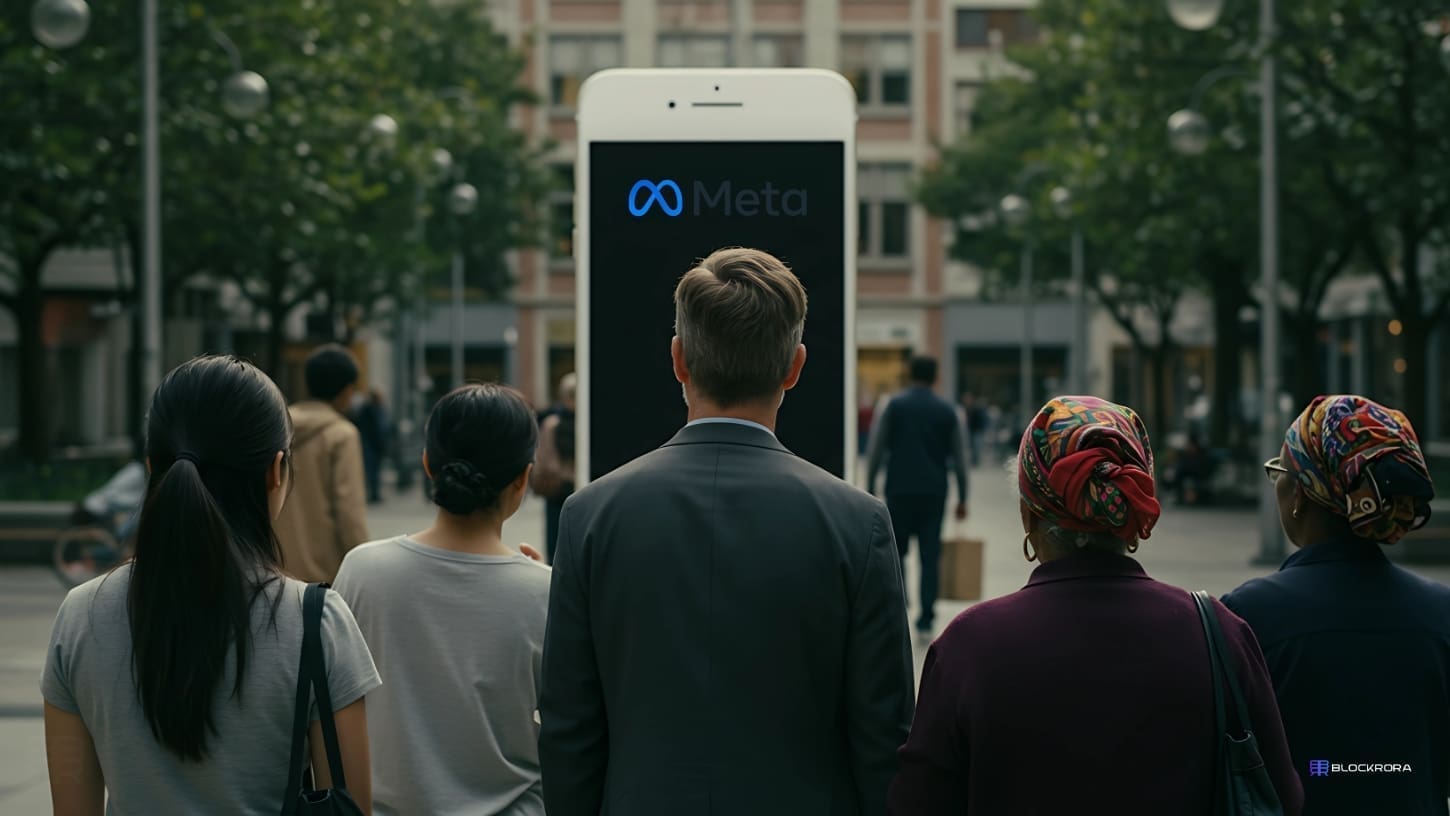
Platforms such as Meta, X, and TikTok employ layers of automated filters, AI classifiers, and trust-and-safety teams that determine which topics thrive or fade away.
A leaked Meta internal report from 2023 revealed content moderation guidelines that explicitly linked to “advertiser-friendly” standards, prioritizing content that was deemed less controversial, such as news or activism. TikTok faced similar criticism for muting content around Tibet, Uyghur rights, and Palestinian protests, particularly in sensitive geopolitical moments.
The system’s incentives are clear: algorithms optimize for ad revenue, not free expression. The more sanitized the feed, the safer it is for brands. The consequence? Platforms silently reward conformity while penalizing authenticity.
The Psychological and Societal Impact of Algorithmic Control
As creators adapt, online speech becomes increasingly sanitized, safe for platforms, but stripped of depth.
Experts warn that algorithmic self-censorship erodes authenticity, forcing users to measure every word through an invisible lens of “brand safety.”
Studies on digital communication behavior have observed a widespread trend of users rewording or withholding posts to avoid algorithmic penalties, a behavior often described as self-moderation. Mental health advocates, educators, and journalists report that discussing topics like eating disorders, war, or sexual health now requires code words to remain visible.
This isn’t just censorship, it’s behavioral conditioning. When algorithms shape how billions of people communicate, the cost isn’t just lost content; it’s a quieter, flatter internet where nuance disappears.
Can Blockchain and Decentralized Platforms Offer a Way Out?
Web3 innovators are experimenting with ways to decentralize speech governance.
Platforms like Farcaster, Lens Protocol, and Mastodon explore models where users can moderate their communities without top-down control. Here, blockchain-based transparency ensures moderation decisions are auditable, not hidden behind proprietary code.
However, freedom without moderation poses its own risks; hate speech, misinformation, and abuse can thrive without boundaries. The challenge is balance: to protect speech without surrendering control to opaque AI filters.
Decentralized social networks could offer a blueprint, but sustainable governance will depend on community-driven standards and shared accountability.
What’s Next – Balancing Safety and Freedom in the Algorithmic Era
As AI continues to evolve, content moderation may shift from reactive to predictive, where algorithms evaluate the probability of a post being “unsafe” before it’s even published.
Such systems could further blur the line between safety and censorship, embedding bias deep within digital infrastructure.
The question is no longer if speech is moderated; it’s how deeply algorithms are allowed to rewrite it. In chasing advertiser comfort and engagement metrics, we risk creating a digital culture that sounds human but speaks machine.
The challenge for platforms, policymakers, and creators is clear: restore authenticity before the algorithm becomes the author.