The Efficiency Plateau: Why 2026 is the Year Nonprofits Must Move Beyond AI Workarounds

As we move through 2026, the nonprofit sector finds itself in the grip of a startling paradox. According to the 2026 Nonprofit AI Adoption Report by Virtuous and Fundraising.AI, a staggering 92% of nonprofits have now integrated AI into their daily operations. On paper, we are a tech-forward industry.
Yet, beneath the surface of this near-universal adoption lies a sobering reality: only 7% of these organizations report that AI has truly transformed their mission capability. Most are stuck on what researchers call the “Efficiency Plateau.” Teams are using AI as a high-powered digital intern, polishing donor emails, summarizing board minutes, or generating social media captions. While these “workarounds” save individual staff members time, they aren’t fundamentally shifting the needle on the world’s most pressing problems. To break through this plateau, we must shift our perspective: AI can no longer be a personal productivity hack; it must become institutional infrastructure.
The Surprising Rise of the “Local Hub”
There is a persistent myth that the AI revolution is a luxury reserved for the Tier-1 NGOs with massive IT budgets. However, the data tells a different story. Small nonprofits (under 50 staff) are currently reporting a moderate-to-high impact from AI at a rate of 41%, compared to just 34% for larger organizations.
Why is the “local hub” winning? It comes down to coordination complexity. While a global charity must navigate months of governance reviews and legacy system integrations just to trial a new tool, a local community center can pivot in an afternoon. These smaller, nimbler organizations are the ones successfully piloting Agentic AI, systems that don’t just write, but act.
A local food bank can now deploy a specialized AI agent that scans supermarket inventory, identifies surplus, and coordinates volunteer drivers via SMS, all without a staff member touching a keyboard. In 2026, agility is a more valuable currency than a massive endowment.
The Human Tension: Streamlining vs. The Digital Divide
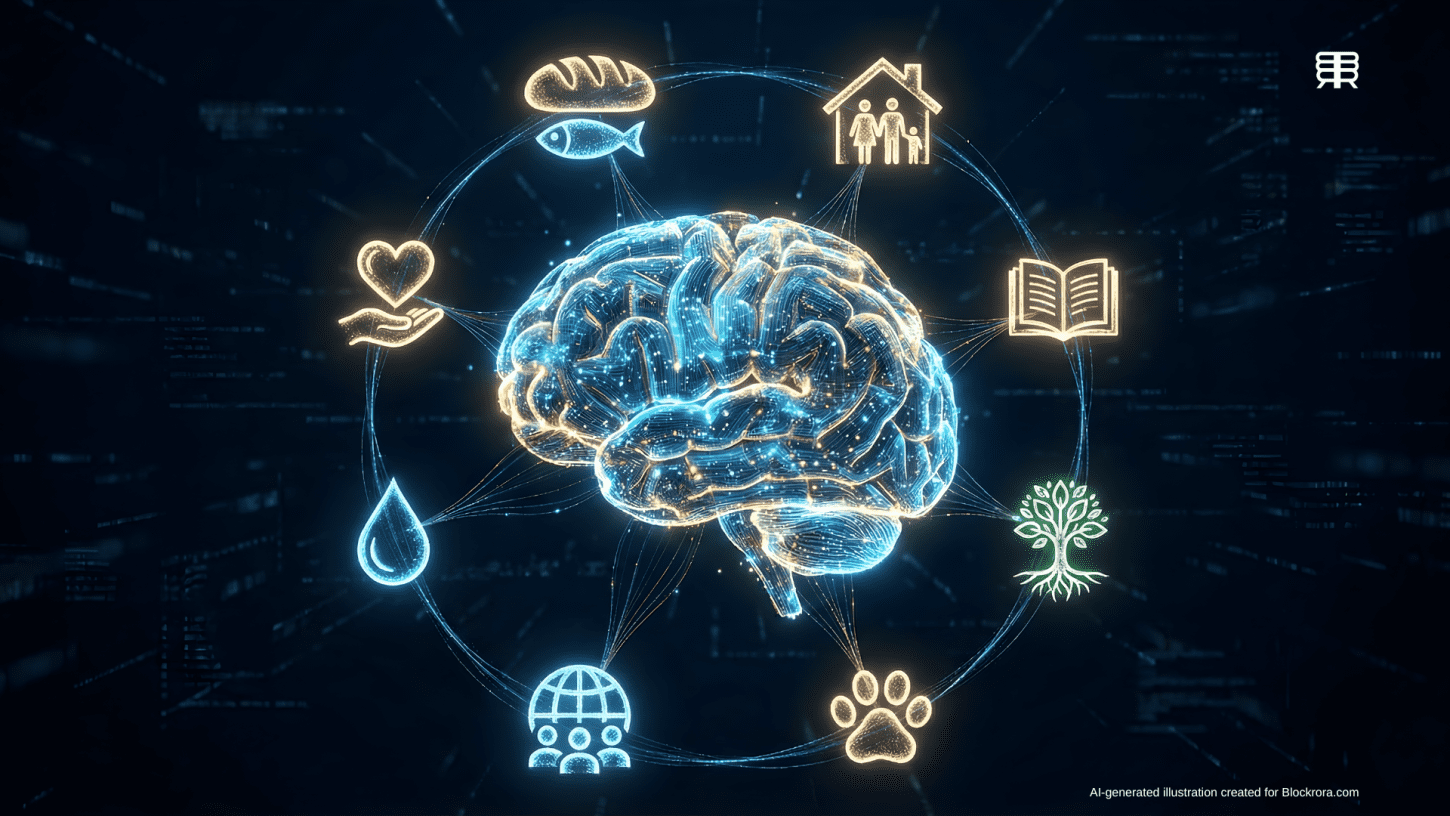
As we automate, we must ask: Does this benefit the people we support, or just our own internal workflows? AI offers “Hyper-Personalization at Scale”, helping community health workers prioritize urgent cases or providing instant, multilingual support to refugees.
However, we face a growing “AI Literacy Gap.” As Candid’s 2026 “Back to Human” series warns, replacing human intake staff with cold algorithms risks alienating the most vulnerable. The nonprofits that thrive this year will be those using AI to handle the data-heavy “back office” so that human staff can spend more time in face-to-face interactions. The goal isn’t to replace the heart of the mission; it’s to strip away the administrative weight that keeps that heart from beating at full capacity.
Making the Leap: Where the Money Is
The most common question remains: “How do we pay for this?” In 2026, the funding landscape has shifted to favor the “AI Leap.”
- Unrestricted Capital: Foundations now recognize that AI implementation requires flexible funds for data cleanup and staff training, not just software licenses. The F.M. Kirby Prize and the OpenAI People-First AI Fund are leading the way in providing unrestricted support for scaling social innovation.
- Infrastructure Grants: Programs like the AWS Imagine Grant now offer “Pathfinder” awards, up to $200,000 in cash plus $100,000 in computing credits specifically for generative AI projects.
- The “Human Infrastructure” Investment: The money is no longer for the “tools” (which are increasingly commoditized) but for the people. Investing in “AI Fluency” is now a recognized and fundable capacity-building expense.
The Roadmap for the 7%
If you want to move beyond the plateau and join the 7% of organizations seeing true transformation, the path involves four strategic shifts:
- From “Personal Hacks” to Shared Workflows: Document your “prompt libraries” and automated agents so that when a staff member leaves, their efficiency doesn’t leave with them.
- Focus on the “Tuesday Problem”: Don’t chase moonshots. Use AI to solve the unglamorous, high-frequency tasks—invoice processing, volunteer re-scheduling, and data entry.
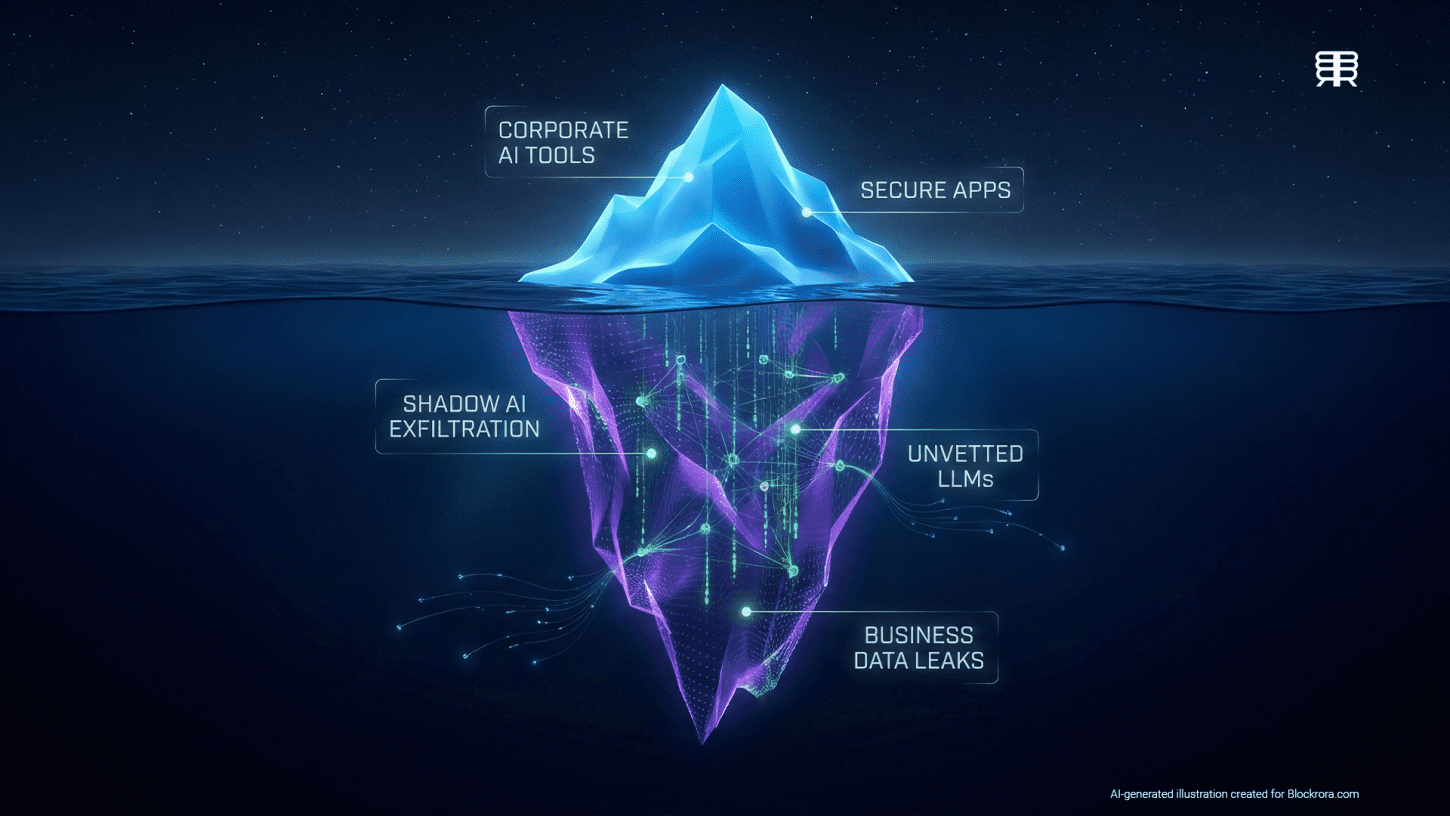
- Governance is Safety: With 47% of the sector still lacking an AI policy, the first step is protection. A simple policy regarding donor data privacy unlocks the team to experiment without fear.
- Measure Mission, Not Just Minutes: Saving 15 hours a week is a metric of efficiency; re-allocating those 15 hours into a 20% increase in beneficiary outreach is a metric of transformation.
The tools are democratized, and the funding is ready. 2026 is the year we stop using AI to do the same things faster, and start using it to do entirely new things for the communities we serve.