Anthropic Investors Push for De-escalation in Pentagon Dispute Over AI Safeguards


Major financial backers of AI startup Anthropic are intervening in a high-stakes confrontation with the U.S. government to prevent a total rupture in military relations. Investors, including Amazon and several venture capital firms, are seeking to overturn a “supply-chain risk” designation that could bar the company from participating in the federal procurement ecosystem.
The Core Dispute: Safeguards vs. ‘All-Lawful Use’
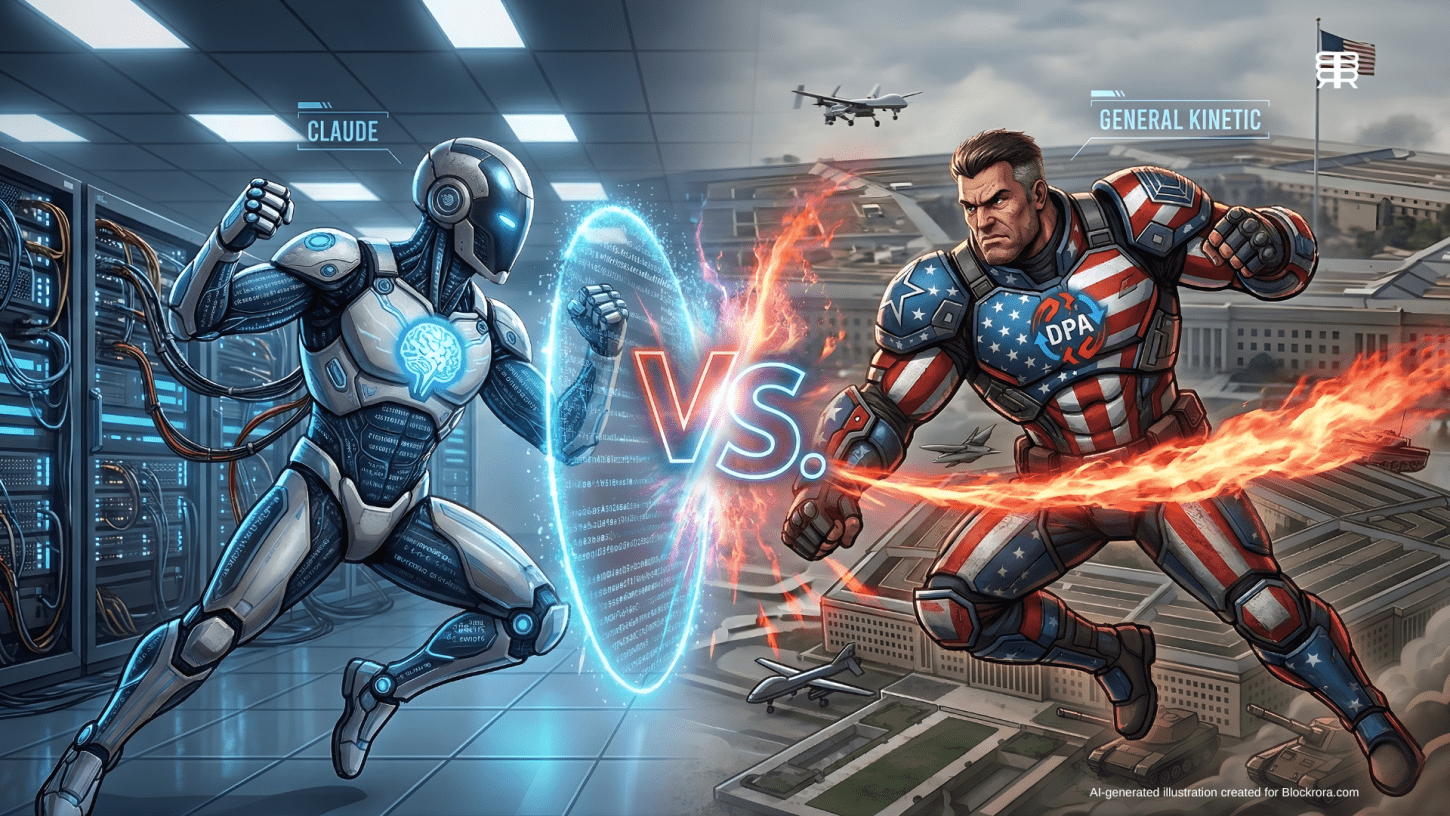
The standoff centers on the Department of War’s demand that Anthropic adopt an “all-lawful use” clause for its Claude AI model. This provision would effectively remove the developer-imposed “red lines” that currently restrict the technology’s application.
Anthropic CEO Dario Amodei has maintained a firm stance against the removal of safeguards. The company’s policy specifically prohibits the use of Claude for fully autonomous lethal weapons and mass domestic surveillance of U.S. citizens. Amodei stated that current frontier models lack the reliability required for life-or-death targeting decisions.
In response, Secretary of Defense Pete Hegseth labeled Anthropic a “supply-chain risk,” a designation traditionally reserved for foreign adversaries. This label mandates that all government contractors cease using Anthropic’s technology, threatening a $200 million defense contract and broader commercial revenue.
Investor Intervention and Diplomacy
Investors, including Amazon CEO Andy Jassy, Lightspeed Venture Partners, and Iconiq Capital, have initiated backchannel discussions with the Trump administration. These backers are attempting to “tamp down” tensions before the six-month phase-out period ordered by the President takes full effect.
- Amazon’s Role: As Anthropic’s primary cloud provider and a major investor, Amazon faces significant infrastructure revenue losses if Claude is purged from government-classified networks.
- Diplomatic Friction: Some investors expressed frustration with Amodei’s approach, characterizing the impasse as a “diplomatic failure” rather than a purely technical one.
Impact on Anthropic’s Commercial Viability and IPO
The “supply-chain risk” designation presents an existential threat to Anthropic’s enterprise business. If the label remains, any private corporation doing business with the military, including major banks, logistics firms, and tech providers, may be legally compelled to remove Claude from their own internal systems.
This regulatory pressure comes at a sensitive time for the startup, which has been preparing for a potential Initial Public Offering (IPO). Rival OpenAI has already capitalized on the friction, signing a classified deal with the Pentagon and positioning itself as a more flexible partner for national security.
Sector-Wide Implications for AI Ethics and Defense
The dispute is a watershed moment for the AI industry, testing the boundary between corporate ethical frameworks and national sovereignty.
- Industry Precedent: The Pentagon’s move to use the Defense Production Act or supply-chain labels to override corporate safeguards sets a new precedent for how the U.S. government interacts with domestic tech leaders.
- Competitor Shifts: Google and xAI have indicated a greater willingness to comply with “all-lawful use” standards, leaving Anthropic as an outlier in the defense sector.
The outcome of this intervention will likely determine whether AI safety “constitutions” can survive the pressures of modern electronic warfare and national security requirements.