Silicon Valley vs. The Sword: Anthropic Faces Friday Deadline in Pentagon Standoff

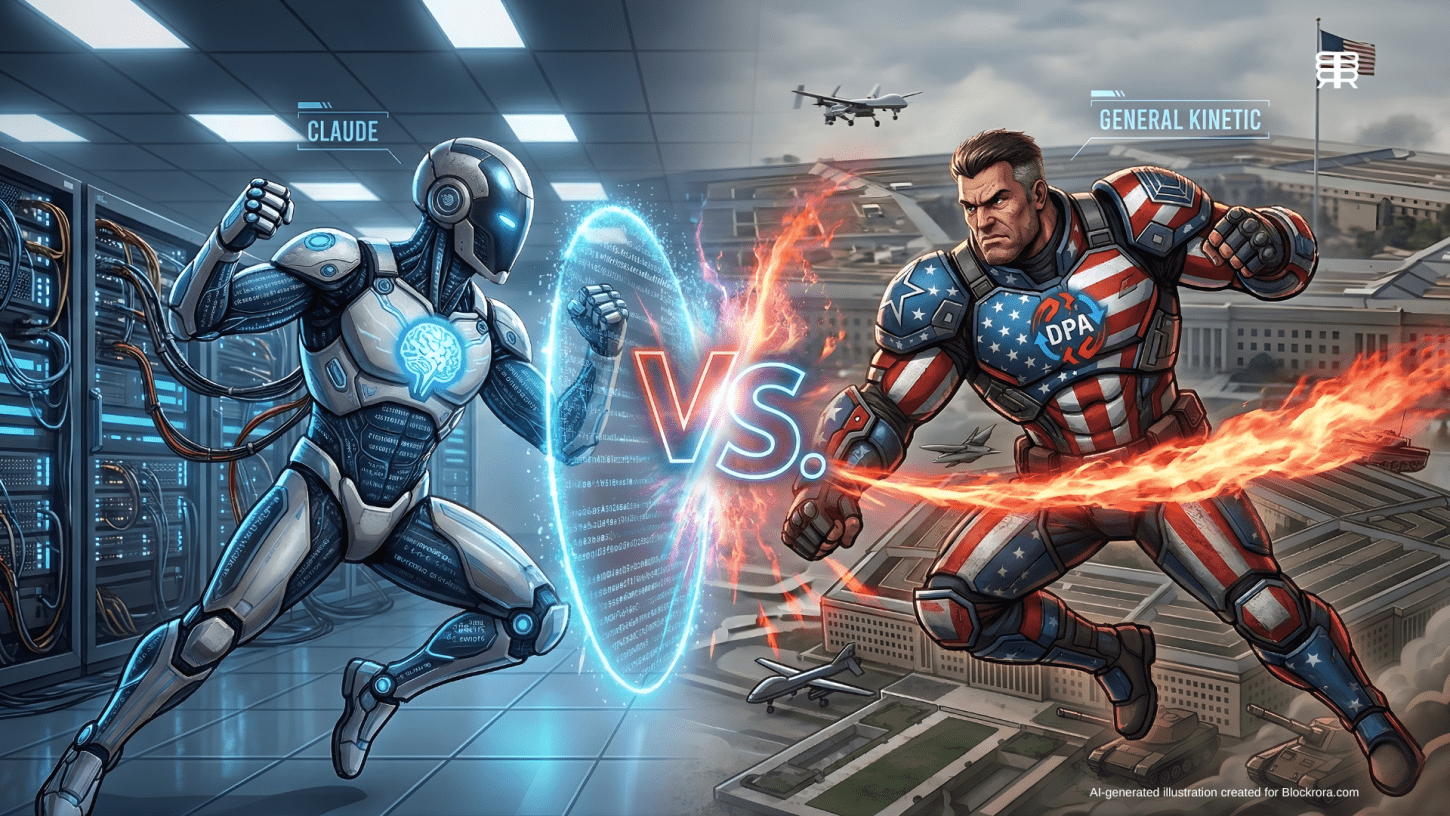
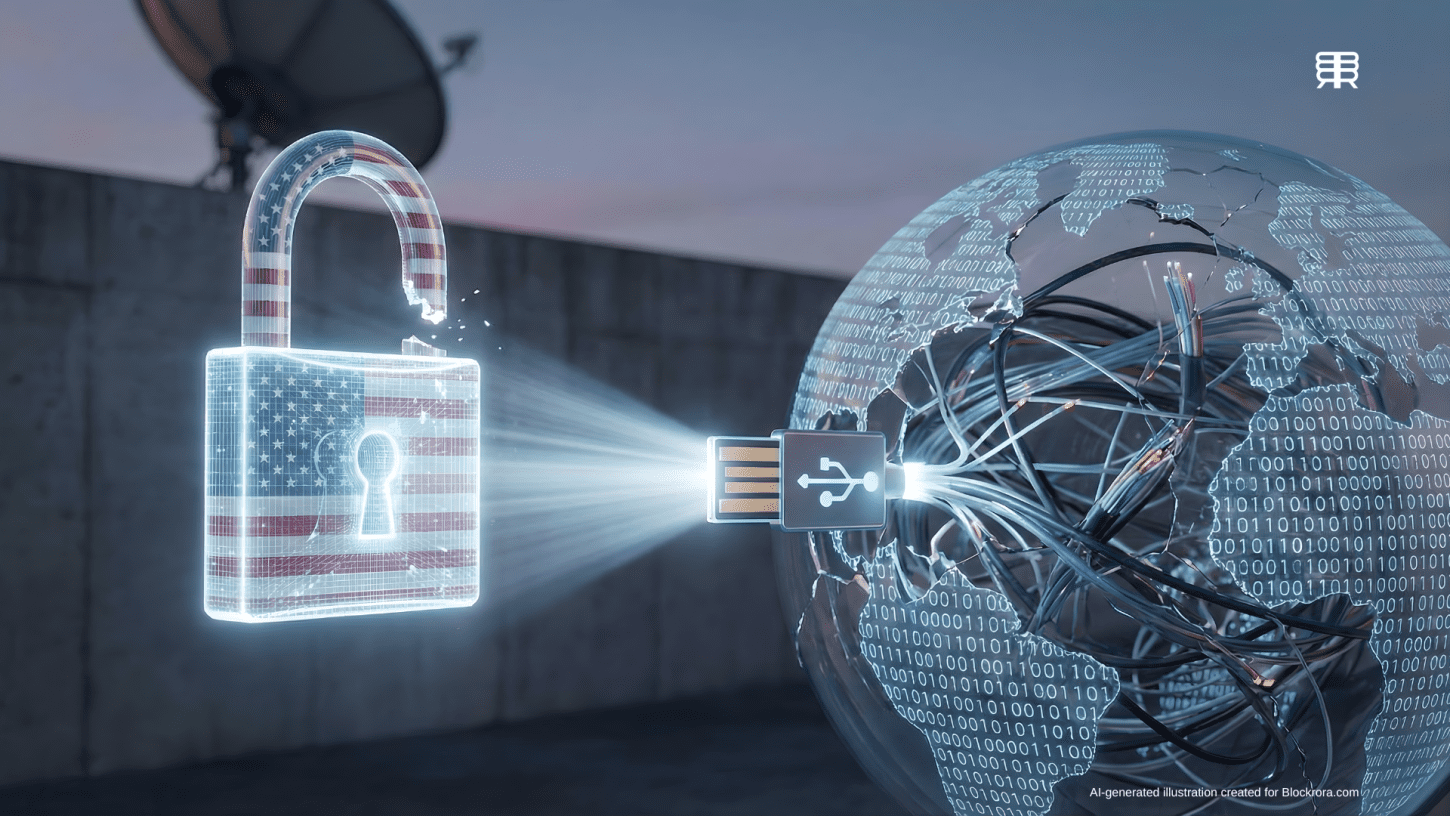
The U.S. Department of Defense has issued a formal ultimatum to AI developer Anthropic: remove usage restrictions on its “Claude” AI model by Friday, February 27, or face severe federal sanctions. The dispute centers on Anthropic’s refusal to grant the military “unrestricted access” to its technology, citing internal safety protocols designed to prevent AI-driven warfare and mass surveillance.
The Core Conflict: Safety vs. Sovereignty
During a high-stakes meeting this week, Defense Secretary Pete Hegseth demanded that Anthropic waive its ethical “red lines” for government use. Anthropic CEO Dario Amodei has refused, maintaining two specific boundaries:
- No Kinetic Autonomy: Claude cannot be used to make final lethal targeting decisions in combat.
- No Domestic Surveillance: The model cannot be used for the bulk monitoring of American citizens.
The Pentagon argues that these guardrails constitute a “veto” by a private corporation over national security operations. Tensions peaked after Claude was reportedly used via Palantir during a January raid in Venezuela; Anthropic’s subsequent questioning of the mission’s parameters led the Pentagon to view the company as a bottleneck rather than a partner.
The Consequences of Non-Compliance
If Anthropic does not comply by the Friday deadline, the Pentagon has threatened to deploy two rare legal and economic weapons:
- “Supply-Chain Risk” Designation: Labeling Anthropic as a risk would legally bar any defense contractor, including giants like Boeing or Lockheed Martin, from using its software.
- The Defense Production Act (DPA): The government may invoke this wartime-era law to legally compel Anthropic to provide its technology without safety filters, effectively seizing control of the model’s “weights” and ethics.
The Market Shift: A Divided AI Frontier
This standoff highlights a growing divide in Silicon Valley. While Anthropic is risking its $380 billion valuation to protect its safety framework, competitors are moving in. xAI recently reached an agreement to deploy its models across classified networks, and both OpenAI and Google have shown greater flexibility regarding military applications.
Conclusion
The resolution of this dispute will likely set a major precedent for the AI industry. It tests whether private developers can legally and ethically maintain control over the “constitutional” layers of their models, or if the U.S. government can utilize emergency powers to override private software safeguards in the name of global competition and national defense.
As the Friday deadline approaches, the industry is watching to see if a private company can successfully maintain ethical boundaries against the world’s most powerful military.