Claude Code Lands in Slack, Turning Chat Threads into Full Developer Workflows

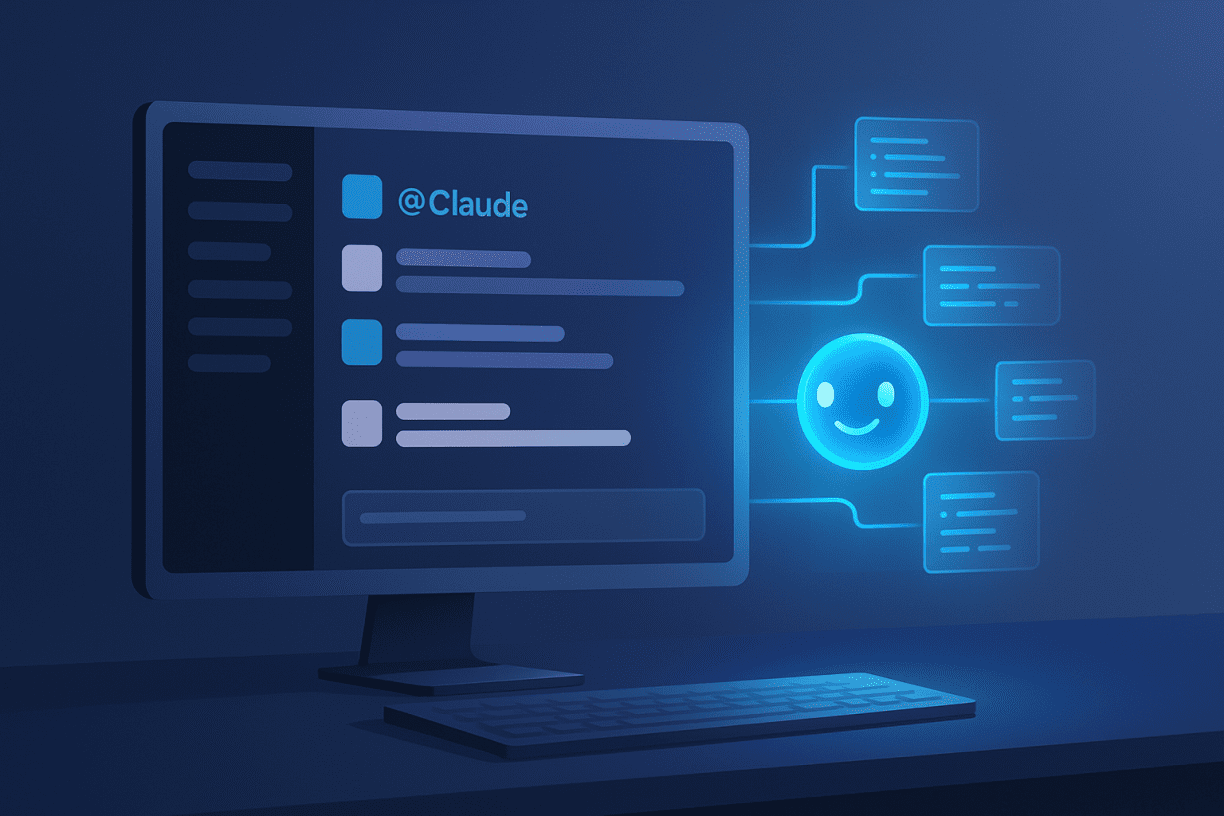
Anthropic is reshaping the future of team-based software development with the launch of Claude Code in Slack, a new beta integration that allows developers to execute complete coding tasks directly from within their everyday chat environment. What was once a space for conversation, standups, and team alignment is steadily becoming a full-fledged development command center, powered by AI.
The move signals a deeper industry shift: AI coding assistants are no longer just tools inside IDEs. They are becoming embedded participants inside collaboration platforms, where engineering decisions and context naturally live.
From Team Conversation to Production Code
Developers previously used Claude in Slack for lightweight tasks, such as debugging snippets, answering questions, or explaining code. With Claude Code, those limitations vanish.
By tagging @Claude, engineers can now trigger full coding sessions. Claude automatically:
- Reads the surrounding Slack conversation
- Determines the relevant code repository
- Begins implementing requested features or fixes
- Post progress updates back into the thread
- Shares links for review, testing, and opening pull requests
This creates a frictionless workflow: teams discuss the problem, delegate the task, and watch the work unfold, all without needing to switch applications. Slack becomes both the meeting room and the workstation.
It’s a glimpse of an “agentic enterprise,” where AI agents operate as active contributors within the tools people already use.
AI Coding Is Moving to Collaboration Hubs
The Claude Code rollout reflects a broader competitive trend. AI developers increasingly recognise that model strength alone isn’t enough; distribution and integration will define the next phase of adoption.
GitHub Copilot, Cursor, and other players have also begun expanding beyond IDEs, integrating directly into communication platforms. Slack, meanwhile, is positioning itself as an “agentic hub,” designed for orchestrating cross-team workflows.
By embedding Claude into Slack’s fabric, Anthropic is accelerating this shift. Instead of AI helping after the fact, it becomes a real-time collaborator inside conversations, documentation, and planning threads.
Beyond Coding: Enterprise Workflows Get a Boost
Claude in Slack isn’t limited to engineering tasks. With access to workspace context, channels, messages, and files, the user is already permitted to view, Claude can:
- Prepare meeting summaries by reading relevant conversations
- Search for project updates, identify blockers, and compile status reports
- Draft documentation based on channel discussions, design files, and shared specs
- Perform research using integrated browsing capabilities
Every public response appears as a private draft first, ensuring users stay in control and can edit before posting. That layer of review aligns the tool with enterprise communication standards, where precision matters as much as speed.
Security, Governance, and Admin Controls
Introducing AI-driven coding inside Slack raises real concerns around repository access, data sensitivity, and third-party dependencies. Anthropic says Claude in Slack follows the same privacy and security safeguards used across its enterprise offerings:
- Workspace admins must approve the integration
- Permissions mirror existing Slack visibility rules
- Code repository access is controlled and auditable
- Sensitive data does not flow outside authorized channels
As AI becomes more deeply embedded in collaboration infrastructures, organizations will need robust policies to manage access, logging, and failover — especially when workflows depend on both Slack uptime and Claude’s API availability.
Availability
Claude Code in Slack is available via the Slack Marketplace for paid Slack workspaces. Full functionality, including repository access and advanced coding workflows, requires a Claude Team or Enterprise plan.
The integration is currently in research preview, but its early capabilities already position it as one of the most comprehensive AI workflow tools embedded in a corporate communication platform.