The Invisible Battlefield: How Electronic Warfare is Rewriting the Rules of the Sea


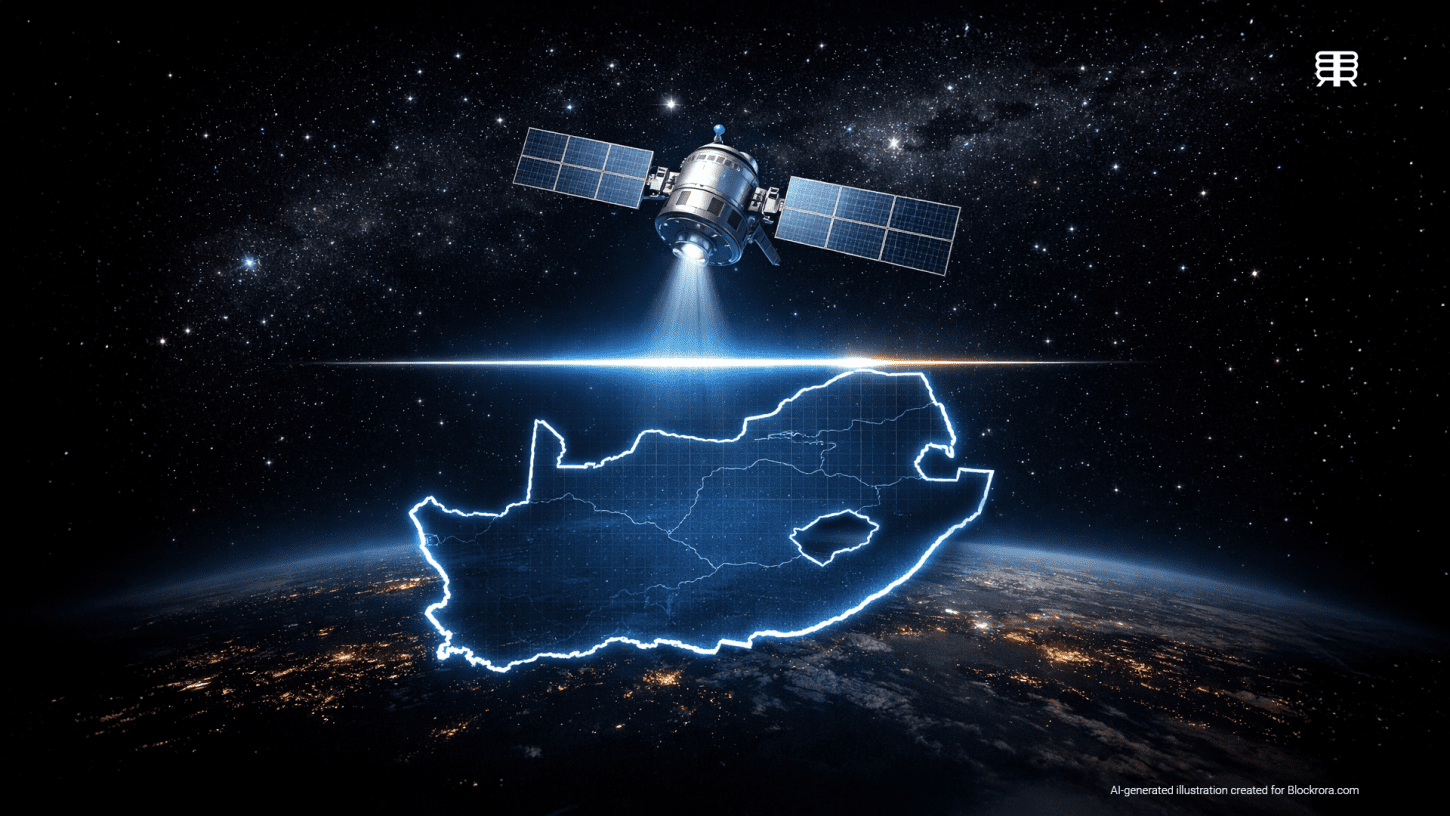
Modern maritime security is no longer just about avoiding physical obstacles; it’s about surviving an invisible war in the electromagnetic spectrum. As geopolitical tensions rise in the Middle East and the Black Sea, commercial ships are increasingly falling victim to GPS jamming and spoofing. As vessels become increasingly connected through satellite internet, the gap between traditional seafaring and modern cybersecurity is becoming a critical vulnerability.
The Rise of the “Ghost Ships”
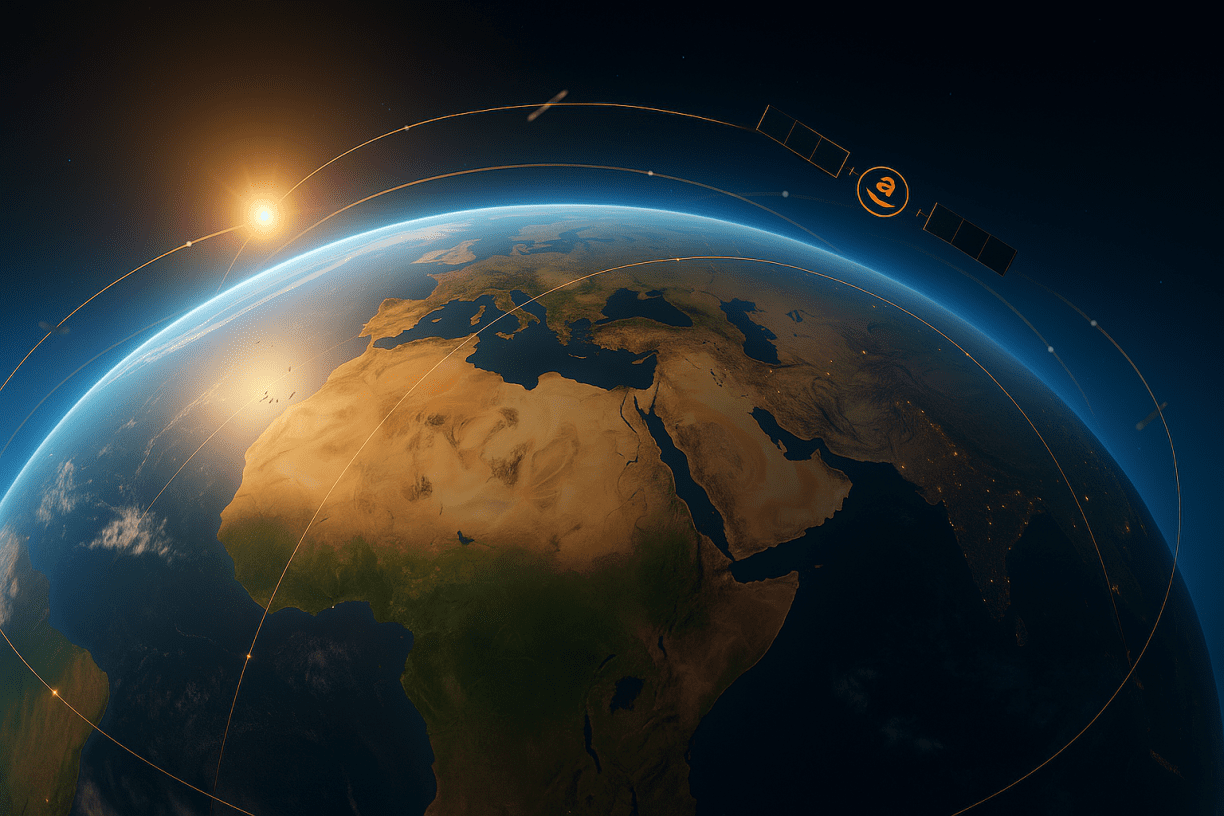
For centuries, a ship’s position was verified by stars, landmarks, and eventually, radar. Today, nearly every commercial vessel on the planet relies on the Global Positioning System (GPS). However, in conflict zones such as the Strait of Hormuz and the Red Sea, those signals are being weaponized.
Electronic warfare (EW) has moved from a military-exclusive tactic to a daily hazard for civilian crews. Ships are reporting “jumping” across maps, drifting miles inland while still at sea, or appearing to circle in impossible patterns. This isn’t a hardware glitch; it’s a calculated manipulation of reality.
Jamming vs. Spoofing: Understanding the Attack
The threat comes in two primary forms, each with devastating potential:
- GPS Jamming: This is the “noise” approach. An attacker drowns out the weak satellite signals with electromagnetic noise, causing the ship’s navigation system to lose its fix entirely. On a bridge, this appears as a frozen map or a “Signal Lost” warning.
- GPS Spoofing: This is far more insidious. Instead of blocking the signal, the attacker transmits a fake signal that mimics a real one. The ship’s receiver accepts this data as truth, displaying a false location. A captain might believe they are in deep water while they are actually drifting toward a reef.
Case Study: The MSC Antonia Grounding
The danger isn’t theoretical. In May 2025, the container ship MSC Antonia was transiting the Red Sea when its GPS began to lie. To the navigators on board, the ship appeared to suddenly “jump” hundreds of miles south and change direction. Disoriented by the conflicting data between their screens and their surroundings, the crew struggled to correct course. The result? The massive vessel ran aground, causing significant operational delays and environmental risk.
The Technical Achilles’ Heel
Why are these multi-million dollar vessels so easy to trick? The answer lies in aging technology. While modern smartphones can toggle between multiple satellite constellations (GPS, Galileo, GLONASS, BeiDou), many cargo ships still rely on a single, legacy civilian frequency known as L1 C/A.
This frequency, dating back to the 1990s, is unencrypted and relatively weak by the time it reaches Earth. It was never designed to withstand the high-powered electronic warfare systems now being deployed for drone and missile defense.
The Connectivity Trap
The vulnerability isn’t limited to GPS. As shipping companies race to modernize, they are outfitting fleets with high-speed satellite internet like Starlink. While this provides essential connectivity for crews and real-time logistics, it also expands the “attack surface.”
The new risks include:
- Remote Monitoring Exploits: Ship engines and propulsion systems are now often monitored remotely, creating potential entry points for hackers.
- Ransomware at Sea: Industry reports show a rise in cyberattacks targeting shipping companies, potentially locking down a vessel’s operations until a ransom is paid.
- Integrated Failures: Because GPS also synchronizes onboard clocks and radar systems, a single spoofing event can trigger a cascade of failures across multiple ship systems.
Expert Analysis: A Preparation Gap
The maritime industry is currently facing a “preparation gap.” While the technology on the bridge has evolved into a sophisticated digital suite, the training for crews has often lagged behind. Many mariners are taught to trust their digital displays implicitly, making them vulnerable to “automation bias”, the tendency to favor computer-generated data over human observation.
As the electromagnetic environment becomes more crowded and hostile, the industry must shift back to “hybrid navigation,” ensuring that crews are as proficient with traditional charts and radar as they are with digital systems. In the invisible battlefield of modern shipping, the most important tool remains a skeptical and well-trained human eye.