Google Integrates Gemini 3 to Power Conversational Search

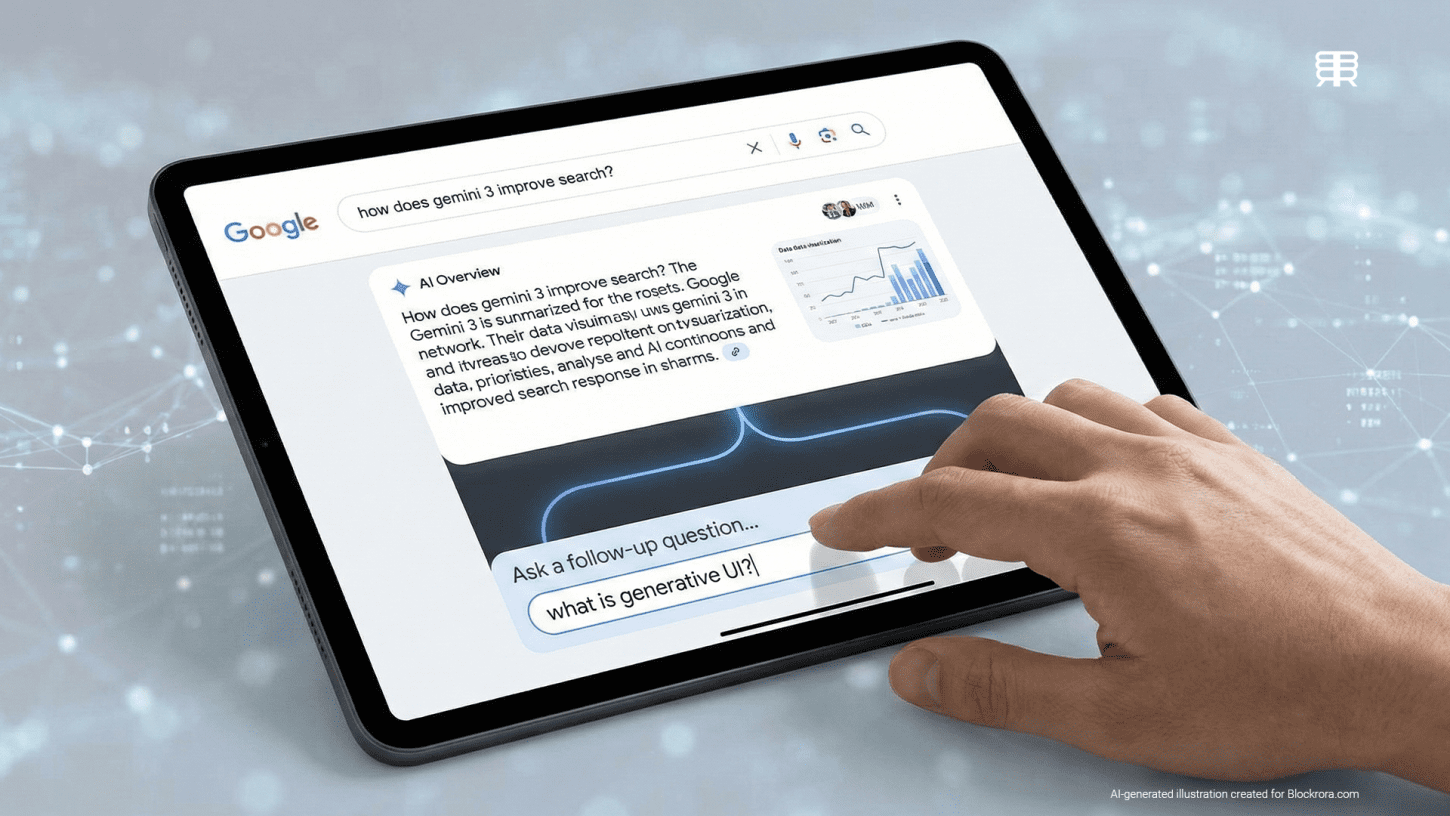
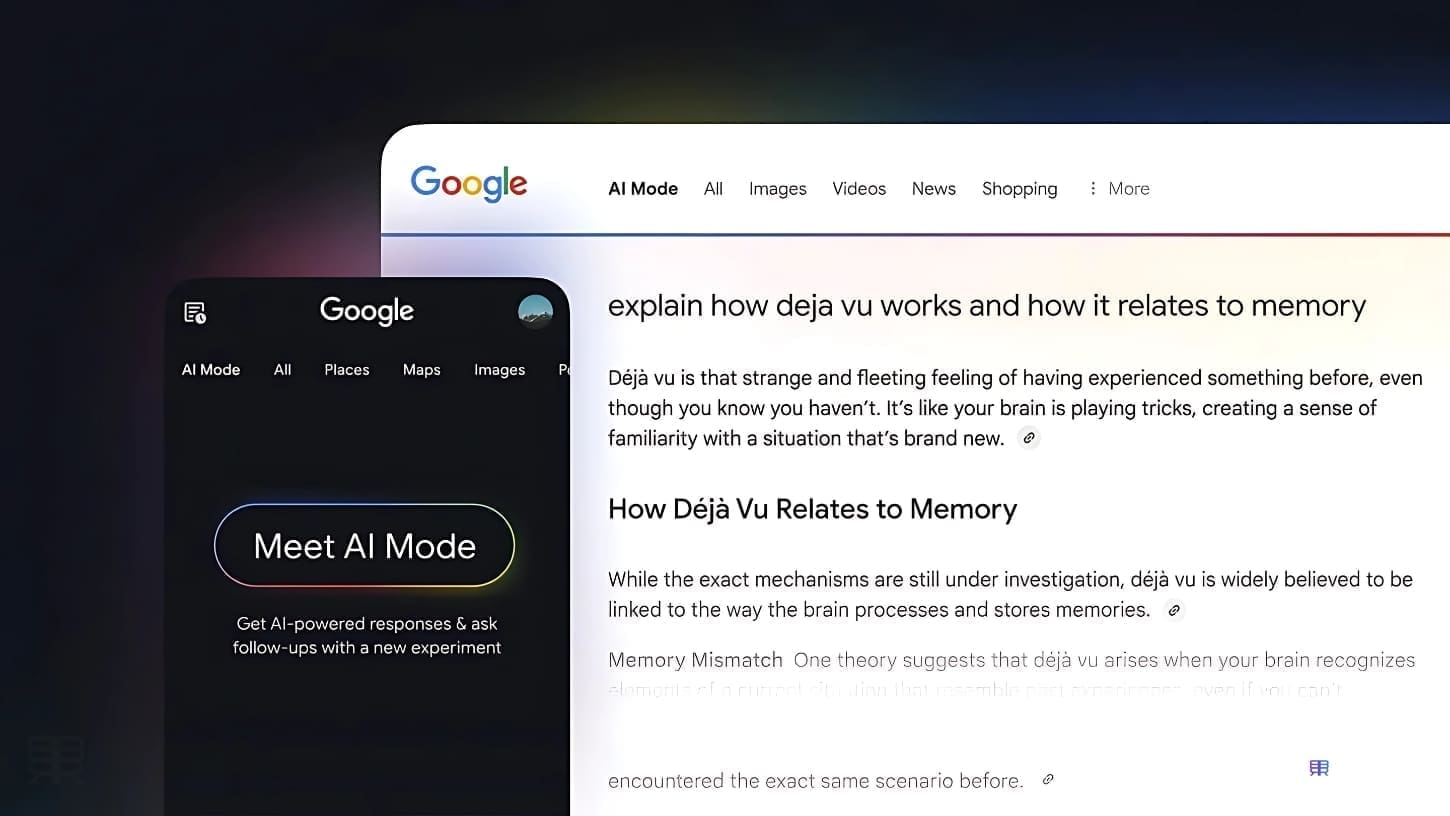
Google has officially deployed its Gemini 3 AI model as the global default for Search AI Overviews, marking a fundamental shift toward a conversational search ecosystem. The update, launched on late December 2025, allows mobile users to ask follow-up questions directly within the search results, maintaining context throughout the interaction.
Google Gemini 3 Deployment: Global Search Overhaul
Google’s transition to Gemini 3 signifies the end of static AI summaries. Previously, the search engine utilized a mixture of models to handle varying query complexities; now, Gemini 3 serves as the primary engine for AI Overviews worldwide.
The integration introduces a seamless handoff between traditional search and AI Mode. When a user views an AI-generated summary, they can now tap a “Show more” prompt or enter a text bar to ask a follow-up question. This action does not trigger a fresh search but instead deepens the existing session, preserving the context of the original query to provide more nuanced, secondary answers.
Multimodal Responses and Generative UI
Beyond text, Gemini 3 enables Generative UI, where the search engine builds custom interactive tools on the fly. This includes:
- Interactive Simulations: Real-time physics or scientific models generated based on user prompts.
- Dynamic Tools: Bespoke calculators for finance or mortgage queries that adjust as the conversation progresses.
- Integrated Visuals: Automated inclusion of relevant YouTube diagrams and high-resolution images within the AI Overview flow.
Strategic Competition: Google vs. SearchGPT and Copilot
The move is a direct response to the rising influence of conversational competitors like OpenAI’s SearchGPT and Microsoft’s Copilot. While competitors have focused on standalone chat interfaces, Google is leveraging its massive search footprint to normalize conversational AI as a standard feature of the “blue link” era.
In South Africa and across the continent, Google is positioning the update as a tool for economic opportunity. Kabelo Makwane, Country Director for Google South Africa, noted that democratizing access to high-level reasoning models like Gemini 3 is critical for future-proofing skills and empowering local businesses to compete in a global digital economy.
Industry Implications and the “Traffic Apocalypse”
The shift toward keeping users within a conversational “sandbox” has intensified concerns among digital publishers and news organizations. By providing “best-in-class” structured answers that satisfy user intent without requiring a click-through, Google risks further eroding the referral traffic that sustains independent media.
Regulatory bodies in the EU and the US are reportedly monitoring the update to determine if the “AI-first” interface unfairly prioritizes Google’s own ecosystem over external web content.
What’s Next: Personal Intelligence and Agentic Search
The global rollout of Gemini 3 is the precursor to Personal Intelligence, a feature currently in beta for AI Pro subscribers. This will eventually allow Gemini to connect directly to a user’s Gmail, Photos, and Docs, enabling Search to act as a proactive personal agent rather than a reactive information retriever.
As Google continues to merge its AI Assistant capabilities with its core search engine, the distinction between “searching for info” and “collaborating with an agent” will likely disappear by the end of 2026.