The Power Paradox: Google’s Grid Strategy and the Path to 2026

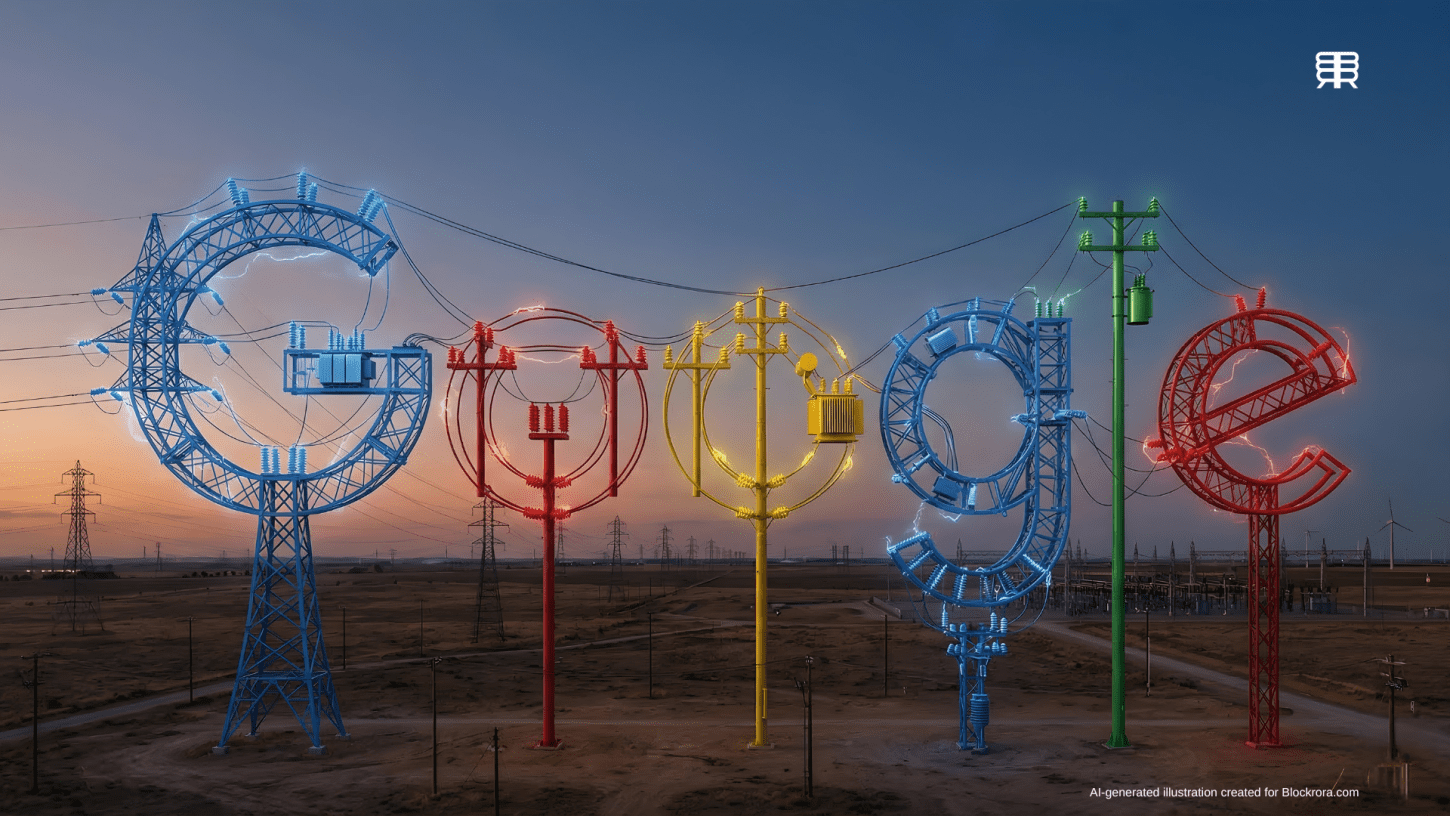
The infrastructure powering the AI revolution is no longer just a technical challenge; it has become a geopolitical and macroeconomic flashpoint. As of March 2026, Google’s strategy for securing the massive amounts of electricity required for its data centers has shifted from a secondary corporate goal to a primary “power playbook” that could redefine the global energy landscape.
Beyond Offsets: The 24/7 CFE Mandate
For years, the industry standard for “green” tech was built on Renewable Energy Credits (RECs), essentially buying enough wind or solar power to match annual consumption. However, the latest reports highlight a pivotal shift in Google’s approach. The search giant is moving away from simple offsets and toward 24/7 Carbon-Free Energy (CFE).
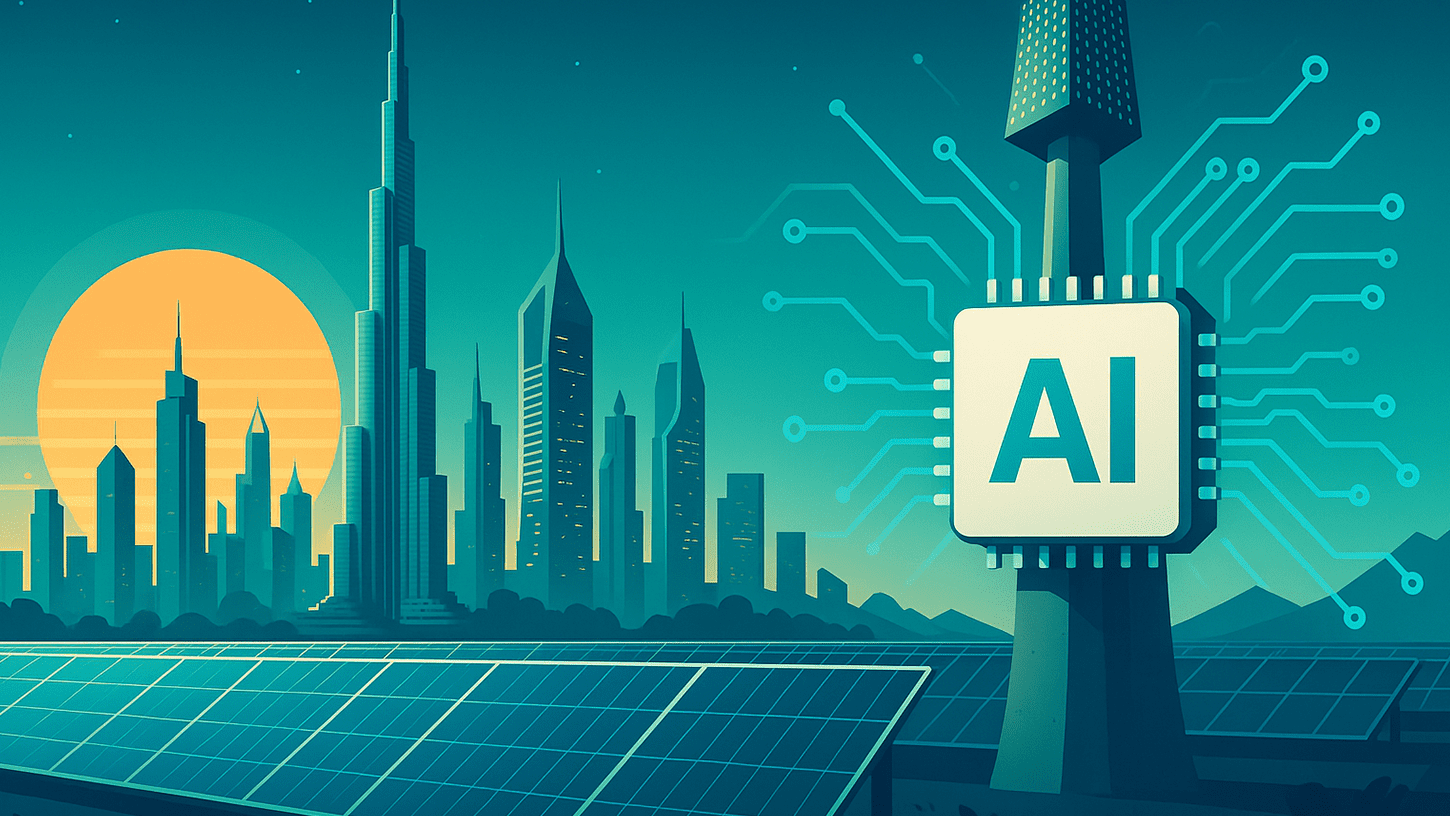
The goal is to ensure that every hour of electricity consumed by a data center is matched by local carbon-free production. This requires a complex orchestration of geothermal, nuclear, and advanced battery storage to fill the gaps when the sun isn’t shining or the wind isn’t blowing. This transition is detailed in Google’s own sustainability initiatives, which emphasize that true decarbonization requires a fundamental restructuring of how grids operate.
The Utility Bill Pressure Cooker
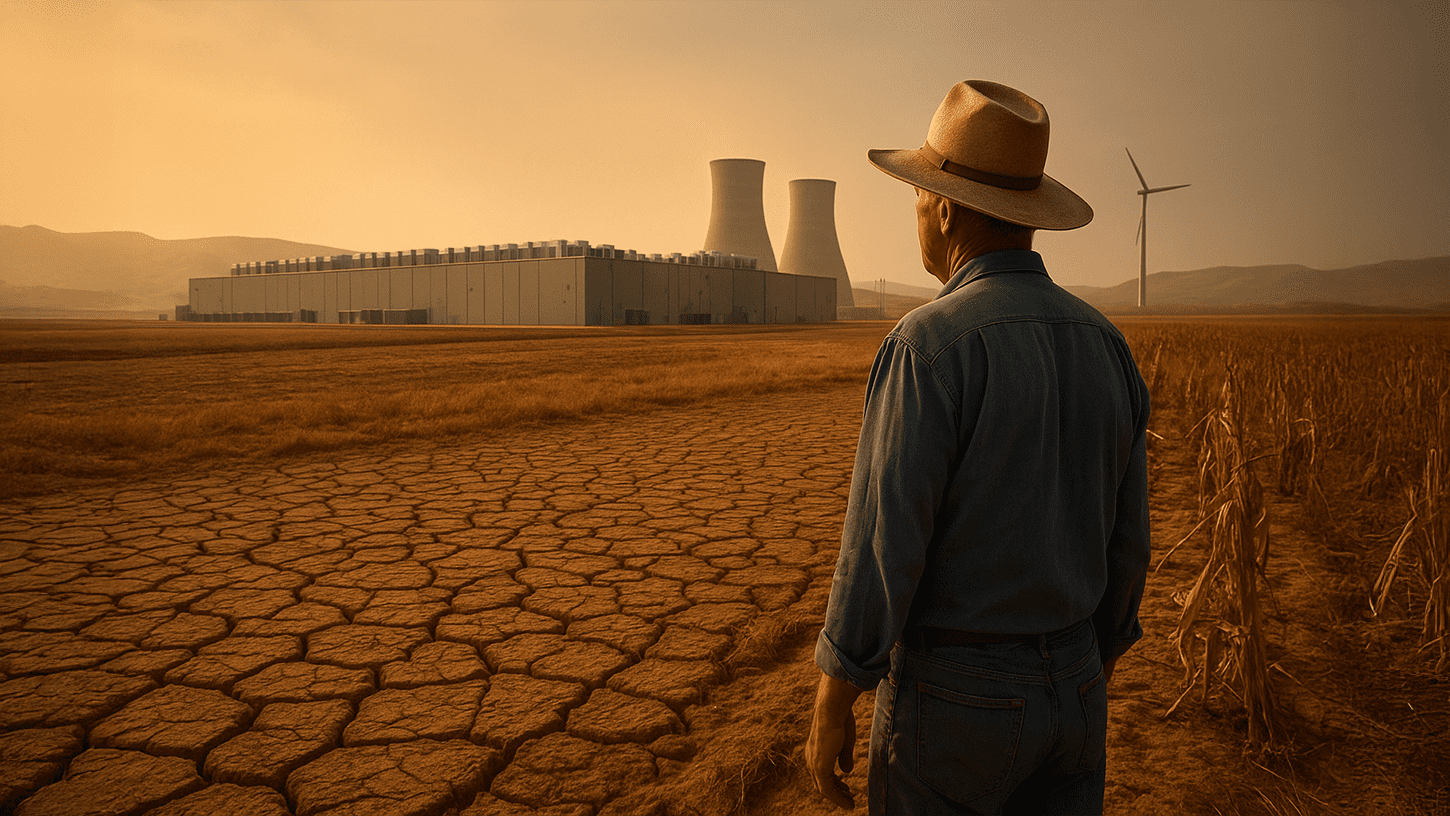
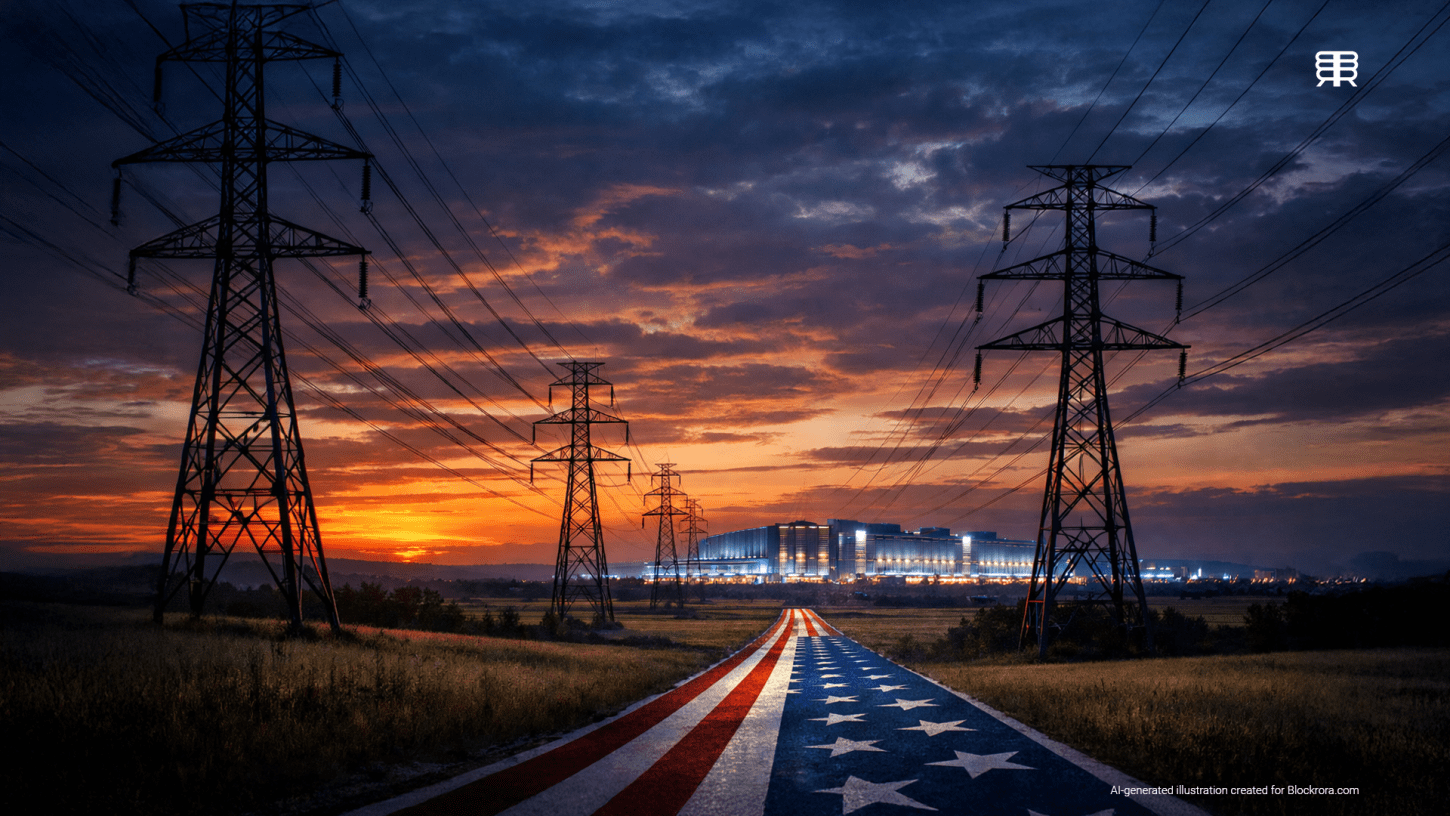
While Google’s “playbook” focuses on securing its own supply, the massive expansion of data centers is creating friction with local communities. The sheer scale of energy demand is forcing utilities to invest heavily in new infrastructure, transmission lines, substations, and peaking plants.
In many jurisdictions, the cost of these upgrades is being passed down to the consumer. This financial strain is already becoming a central narrative in the 2026 Midterm Elections. As explored in our previous coverage on rising utility bills and data center expansion, voters are increasingly sensitive to the “AI Tax” appearing on their monthly statements.
A Political and Economic Balancing Act
Google’s new playbook attempts to mitigate this by partnering more closely with utilities to bring new clean energy onto the grid, rather than just consuming what is already there. By investing in “firm” carbon-free technologies like enhanced geothermal systems, Google aims to provide a blueprint for industrial energy use that supports grid stability.
However, the timeline is tight. With the 2026 midterms approaching, the tension between silicon-valley growth and “kitchen table” economics is at an all-time high. Candidates are being forced to choose: do they support the tax revenue of being an AI hub, or do they protect constituents from the rising costs of a strained electrical grid?
The Bottom Line
Google is no longer just a tenant on the electrical grid; it is becoming a de facto architect of the 21st-century power system. Whether this playbook leads to a cleaner, more robust grid or fuels a populist backlash against “Big Tech’s energy hunger” will be the defining story of the next eighteen months.