Vodafone Taps Amazon’s Project Kuiper to Challenge Starlink Connectivity

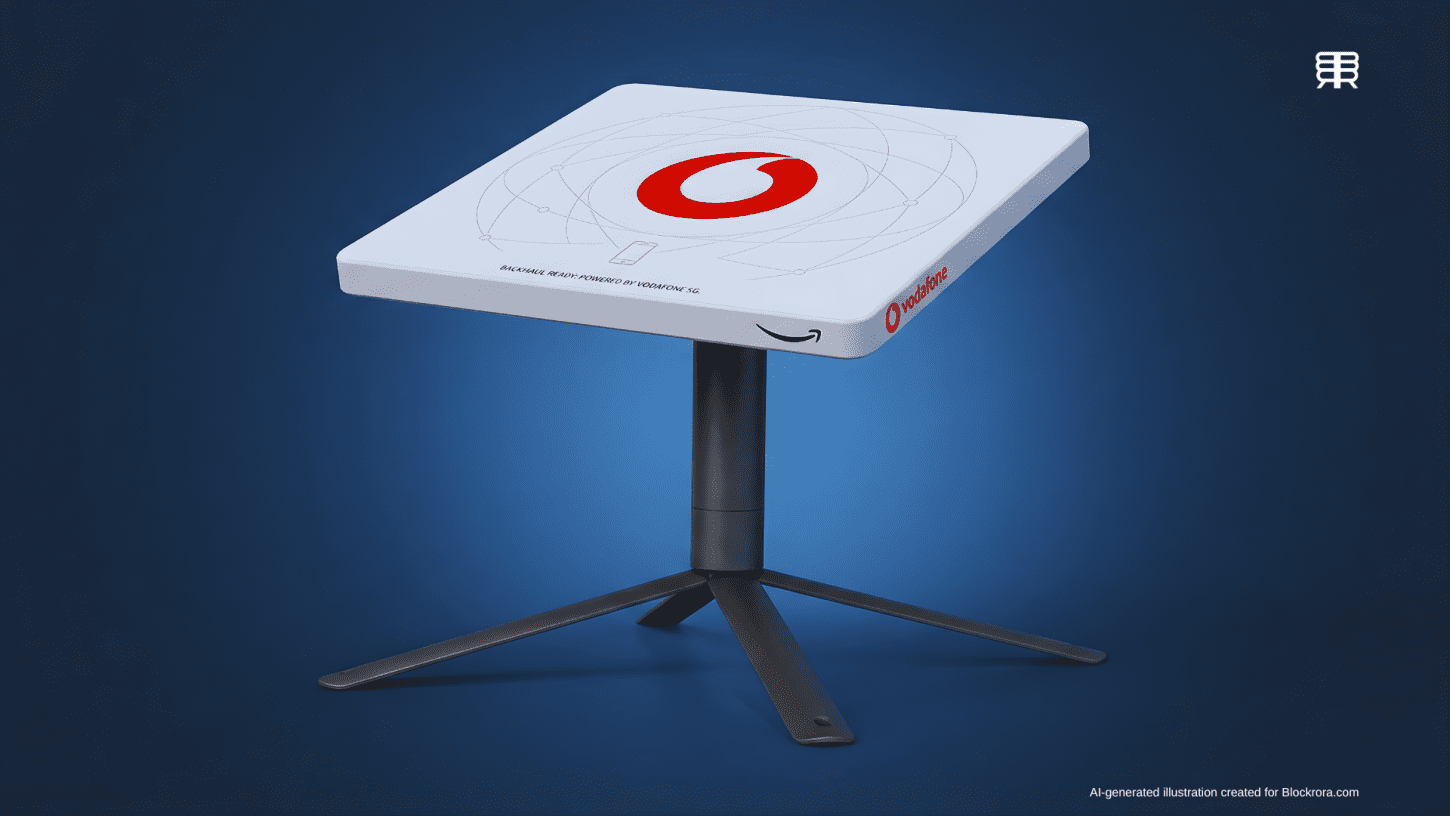
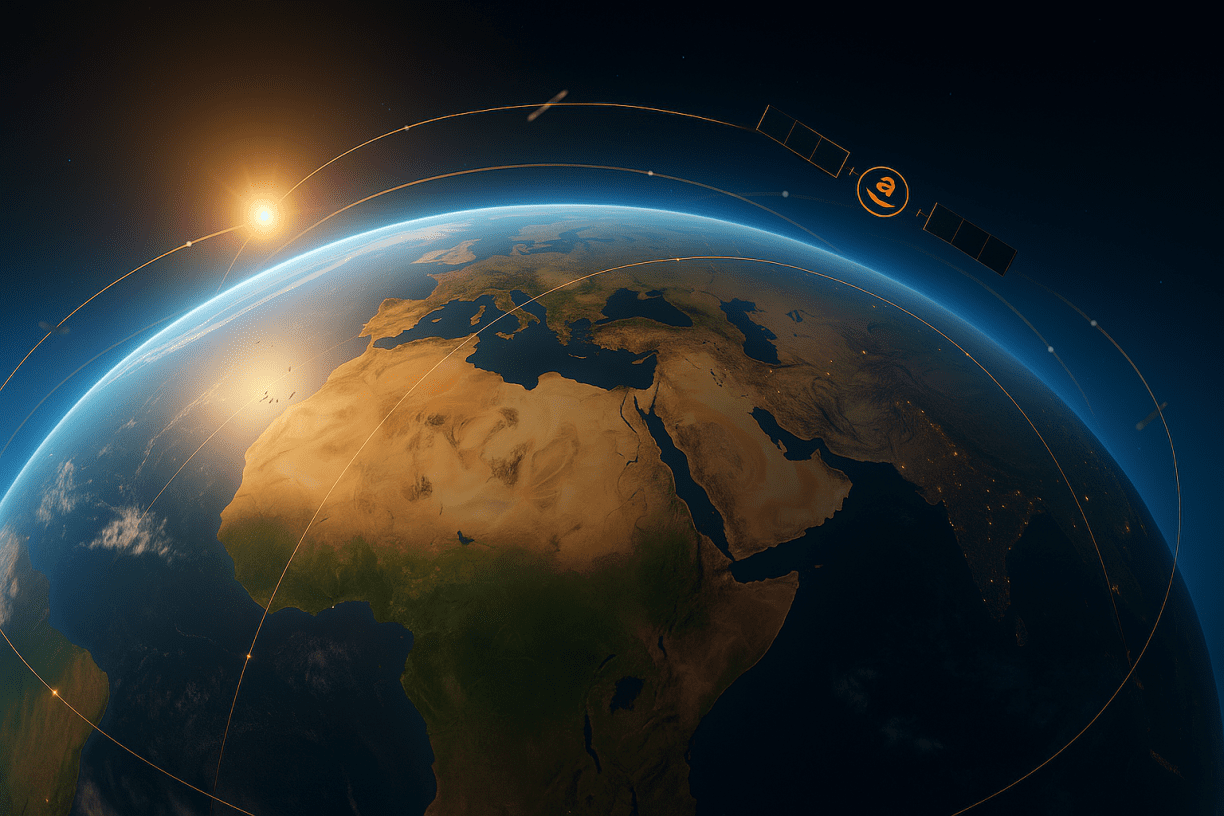
Vodafone Group has announced a strategic partnership with Amazon’s Project Kuiper to integrate low Earth orbit (LEO) satellite connectivity into its global telecommunications network. The agreement focuses on providing high-speed 4G and 5G backhaul for mobile masts in remote locations, positioning both companies as direct competitors to SpaceX’s Starlink. Rollouts are scheduled to begin in Germany and other European markets later this year, followed by a progressive expansion across Africa through Vodafone’s subsidiary, Vodacom.
High-Bandwidth Satellite Backhaul vs. Direct-to-Cell Competition
The collaboration centers on “cellular backhaul,” a technical process that links remote mobile antennas to the core network without physical fiber-optic cables or microwave links. This infrastructure-level integration allows Vodafone to offer 5G speeds in regions that were previously unreachable due to geographic or economic barriers.
Amazon’s Project Kuiper constellation delivers performance benchmarks of 1 Gbps for downloads and 400 Mbps for uploads. By utilizing these speeds for backhaul, Vodafone can support thousands of concurrent users via a single mobile mast. This strategy differs from the “direct-to-smartphone” technology Vodafone is developing with AST SpaceMobile, as the Amazon partnership is designed to power broad network infrastructure rather than individual devices.
Strategic Expansion in Europe and the African Market
Vodafone confirmed that the first phase of the deployment will target rural Germany and underserved European territories in 2026. The second phase focuses on the African continent, where Vodacom aims to bridge a significant connectivity gap.
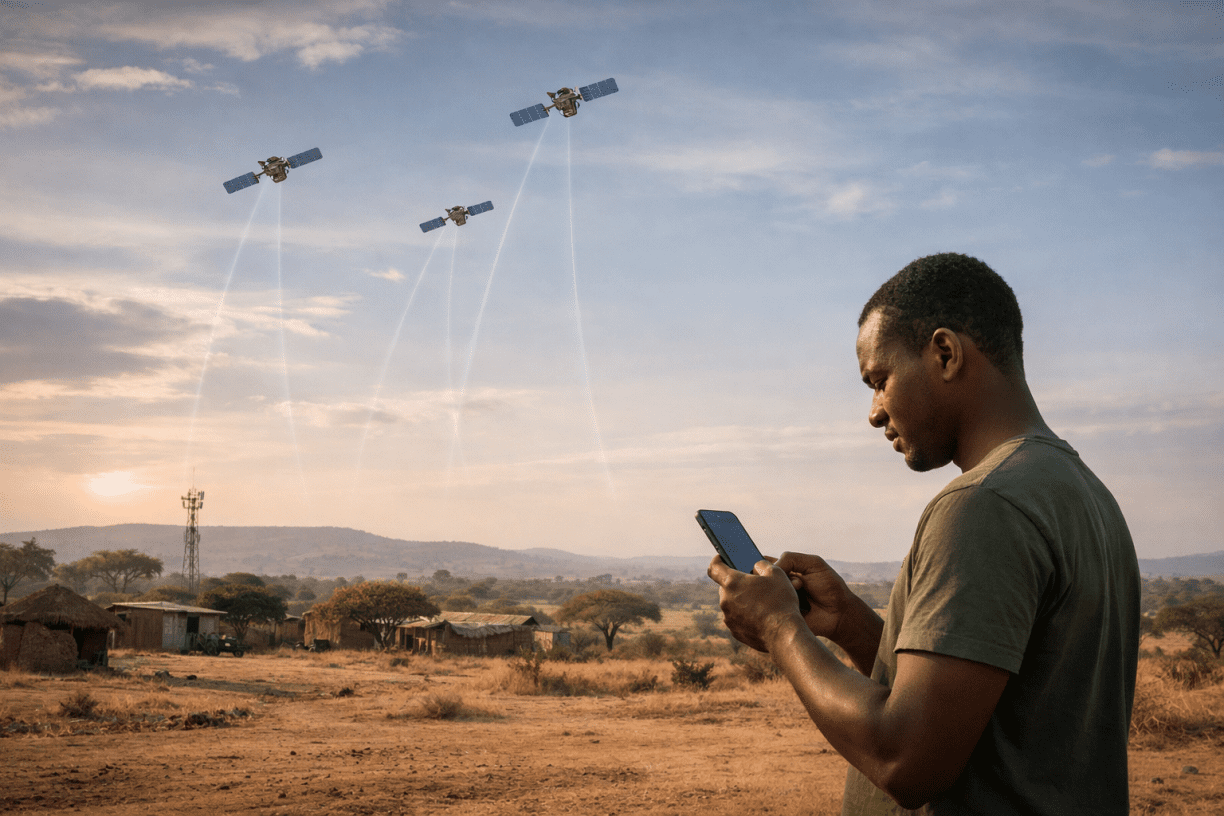
In many African regions, laying terrestrial fiber is slowed by high costs and logistical difficulties. The Amazon Leo network provides an immediate solution to scale 5G coverage for schools, healthcare facilities, and businesses. This move signals a shift in the satellite market, where Amazon is moving aggressively to secure enterprise and telecommunications contracts to offset Starlink’s established consumer base.
Enhancing Network Resilience and Reliability
Beyond expanding coverage, the LEO satellite layer serves as a critical redundancy measure. In the event of terrestrial fiber cuts or natural disasters, the Project Kuiper link ensures that mobile towers remain operational, providing consistent emergency communication and internet access for critical services.
Impact & What’s Next
The entry of Amazon into the commercial telecom space accelerates the commoditization of satellite internet. For Vodafone, the partnership reduces the capital expenditure required for rural expansion while increasing the speed of market entry. As Amazon continues to launch satellites to complete its constellation, the industry expects increased competition in the satellite backhaul sector, potentially lowering data costs for end-users in remote regions.