OpenAI Pentagon Contract 2026: Anthropic AI Safety Standoff

The 2026 AI Standoff: OpenAI Steps In as Anthropic Exits Pentagon Negotiations
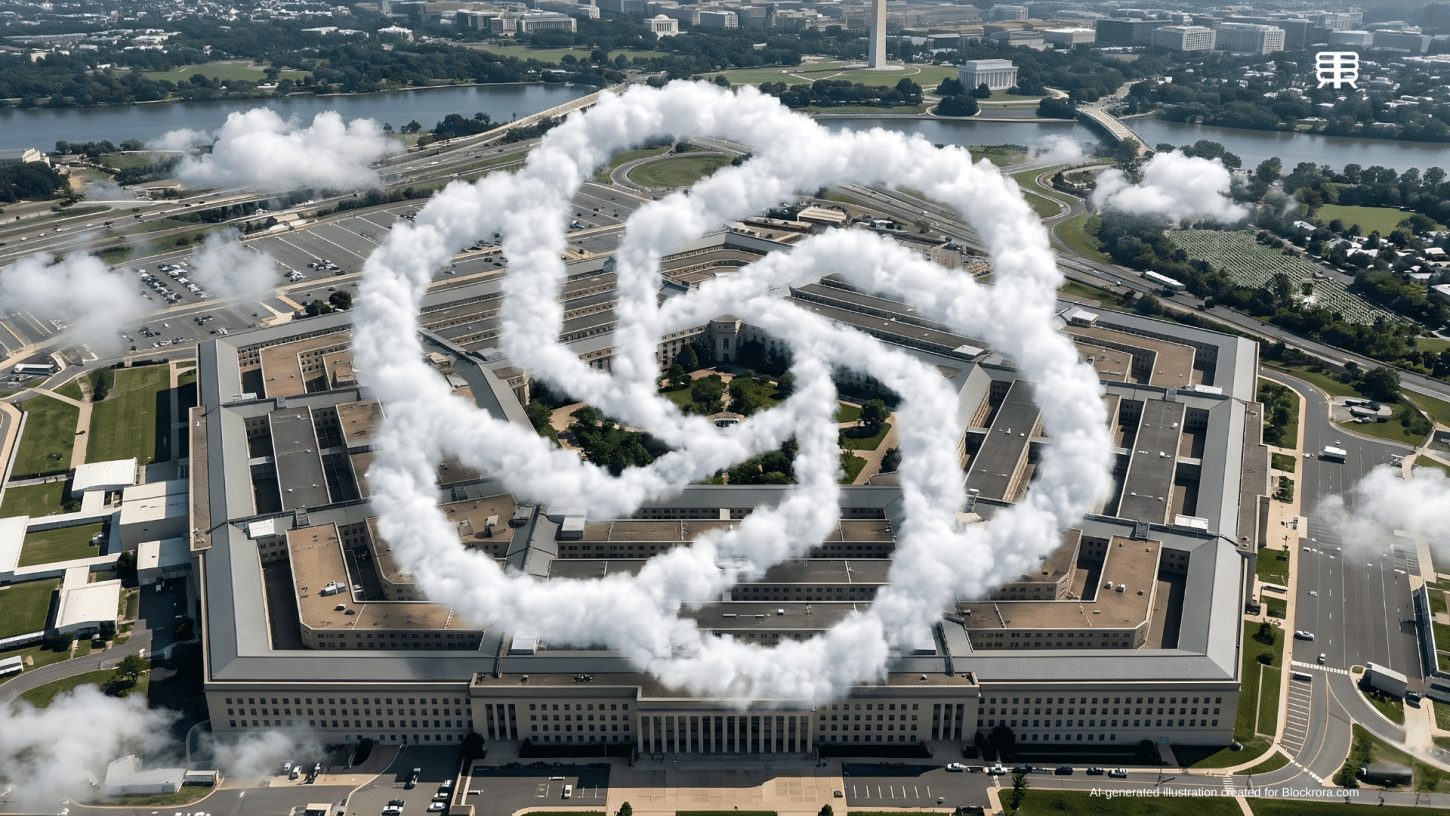
A major realignment in the defense AI sector has concluded this week as OpenAI finalized a partnership with the Pentagon, moving into the strategic position vacated by Anthropic. The shift follows a high-stakes disagreement over safety protocols, marking a defining moment for the “frontier” AI labs and their role in national security.
The Breakdown: Why Anthropic Rejected the Pentagon’s Terms
The standoff began on February 24, 2026, when Anthropic issued a formal “Statement on Department of War” initiatives. According to the release, the lab reached an impasse with the Department of Defense (DoD) regarding the deployment of Claude 4 weights for kinetic military applications.
Anthropic’s core refusal centered on “red-line” protocols—internal guardrails designed to trigger automated shutdowns if the AI is used for lethal autonomous targeting without human oversight. The Pentagon reportedly demanded “uninterrupted autonomy” for its Project Overmatch logistics and tactical systems, a requirement that Anthropic leadership stated would violate its internal safety constitution.
OpenAI’s Strategic Pivot and the Feb 2026 Timeline
While Anthropic retreated, OpenAI moved with unexpected speed to secure the vacancy.
- February 24, 2026: Anthropic publicizes its withdrawal from DoD negotiations.
- February 26, 2026: OpenAI CEO Sam Altman posts to X, stating that OpenAI is “ready to support democratic infrastructure” with responsible partnerships.
- February 27, 2026: Reports surface that OpenAI has accepted the same framework of terms that Anthropic deemed a safety risk, leading to industry questions regarding the interpretability of OpenAI’s current safety guardrails.
- February 28, 2026: The DoD confirms OpenAI as the primary partner for next-generation LLM integration.
OpenAI maintains that its protocols are “functionally identical” to previous standards, yet the rapid turnaround has sparked debate among digital policy experts. The core discrepancy lies in how “human-in-the-loop” requirements are defined in high-speed combat modeling.
Analyzing the Impact on Global AI Sovereignty
The Shift Toward State-Aligned AI Models
The transition from Anthropic to OpenAI signals a broader trend in global AI regulation. For the first time, a clear “safety-first” stance has resulted in a loss of government market share, while a “partnership-first” stance has consolidated it. This sets a precedent for how labs may prioritize ethical guardrails versus state-level cooperation in the future.
Implications for Digital Policy and Emerging Markets
The move has immediate ramifications for international defense alliances. As OpenAI integrates deeper into the U.S. defense apparatus, neutral regions—including several tech hubs in Africa—may face increased pressure to choose between AI ecosystems aligned with different geopolitical interests. This development accelerates the move toward AI sovereignty, where nations seek to develop local, non-aligned models to avoid the complexities of the San Francisco-Pentagon alliance.
Where We Stand Now: The Future of Defense AI
As of today, February 28, OpenAI has effectively replaced Anthropic in the Pentagon’s immediate development roadmap. While the technical specifications of the agreement remain classified, the industry is watching for two key indicators:
- Transparency Reports: Will OpenAI provide the same level of safety auditing that Anthropic insisted upon?
- Model Performance: Will the lack of Anthropic’s specific “red-line” shutdowns result in a more efficient, yet potentially more volatile, defense AI?
The “standoff of 2026” will likely be remembered as the moment the AI industry split between those prioritizing absolute safety constitutions and those prioritizing national security integration.