Samsung Expands Google Gemini AI to 800 Million Devices by 2026

Samsung Electronics has outlined plans to double the number of its devices powered by Google’s Gemini artificial intelligence, targeting 800 million smartphones and tablets by 2026. The move places AI integration at the center of Samsung’s product strategy as competition intensifies over control of the AI platform layer in consumer technology.
The expansion builds on existing deployments across roughly 400 million Galaxy devices and reflects a broader industry push to embed generative AI directly into everyday hardware, rather than treating it as a standalone service.
Samsung’s Strategy to Scale Gemini Across Its Device Ecosystem
According to statements made by Samsung Electronics, the company intends to apply AI “to all products, all functions, and all services” as rapidly as possible. The strategy was detailed by Co-CEO T.M. Roh in his first interview since assuming the role, where he emphasized full-stack integration rather than limited feature rollouts.
Samsung’s current Gemini-powered devices already support a range of on-device and cloud-assisted capabilities, including real-time translation, generative image editing, content summarization, and AI-enhanced search. These tools are deeply embedded in Samsung’s Galaxy ecosystem, extending beyond traditional voice assistant functionality.
Internal company surveys cited by Samsung indicate a sharp rise in consumer awareness of “Galaxy AI,” increasing from roughly 30% to 80% over the past year. While AI-assisted search remains the most commonly used feature, tools focused on editing and summarization are seeing sustained engagement.
Google’s Distribution Advantage in the AI Platform Race
For Google, Samsung’s expansion represents a significant strategic advantage. As the largest manufacturer within the Android ecosystem, Samsung provides distribution at a scale that far exceeds Google’s own Pixel hardware lineup.
Embedding Gemini across hundreds of millions of Samsung devices allows Google to extend its AI reach directly to end users while reinforcing developer adoption through a broad, unified platform. This distribution leverage has become increasingly important as generative AI models compete not only on performance, but on access to real-world usage data and developer ecosystems.
The push follows Google’s recent release of Gemini 3, which heightened competitive pressure across the AI sector.
Competitive Pressure From OpenAI and Apple
Samsung’s alignment with Google also has implications for the broader AI competitive landscape. The rapid scaling of Gemini-backed devices strengthens Google’s position relative to OpenAI, which has focused primarily on software distribution through platforms such as ChatGPT.
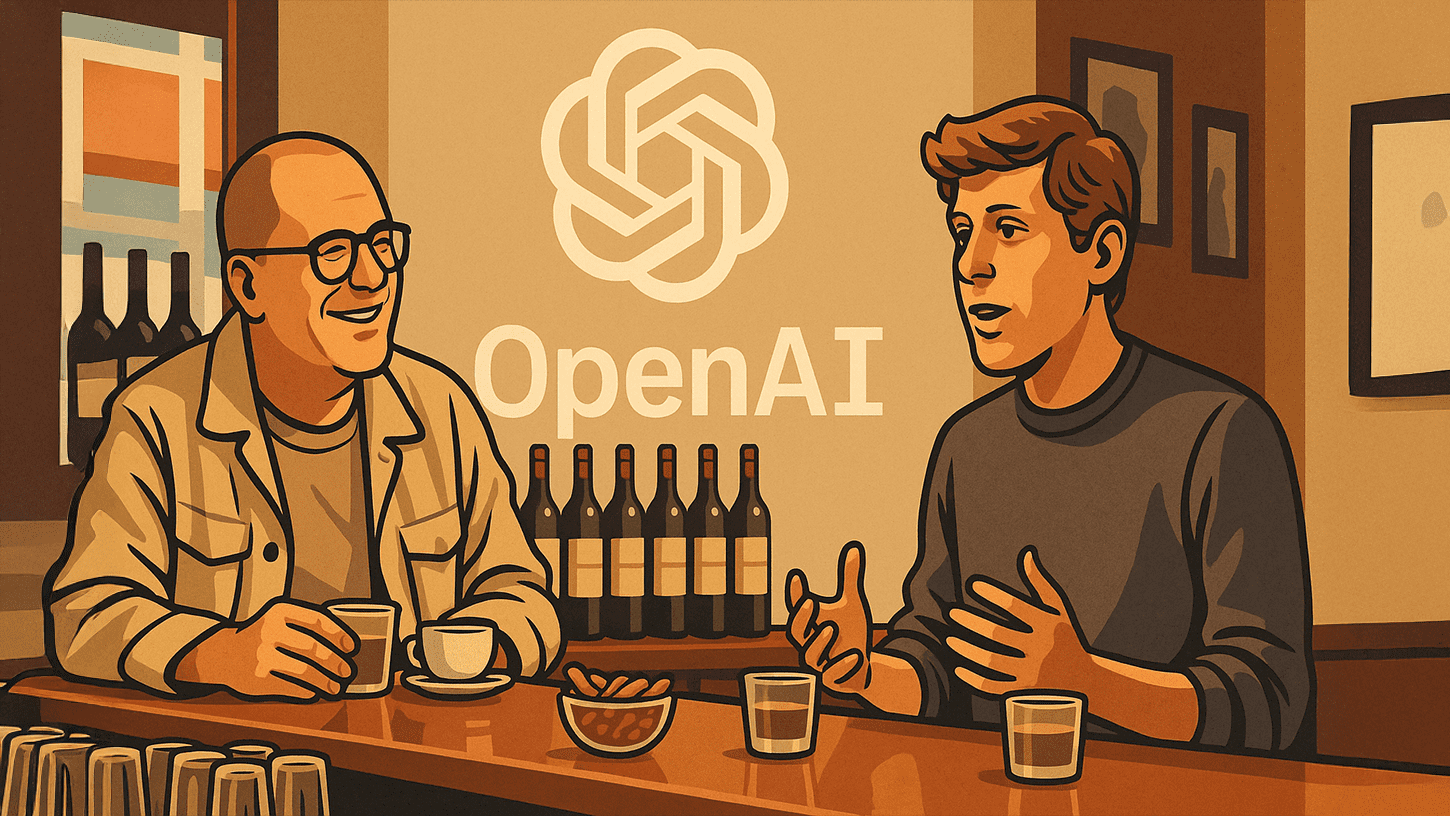
Following Google’s latest Gemini release, OpenAI Chief Executive Sam Altman reportedly accelerated internal development priorities, underscoring the pace at which competition is intensifying.
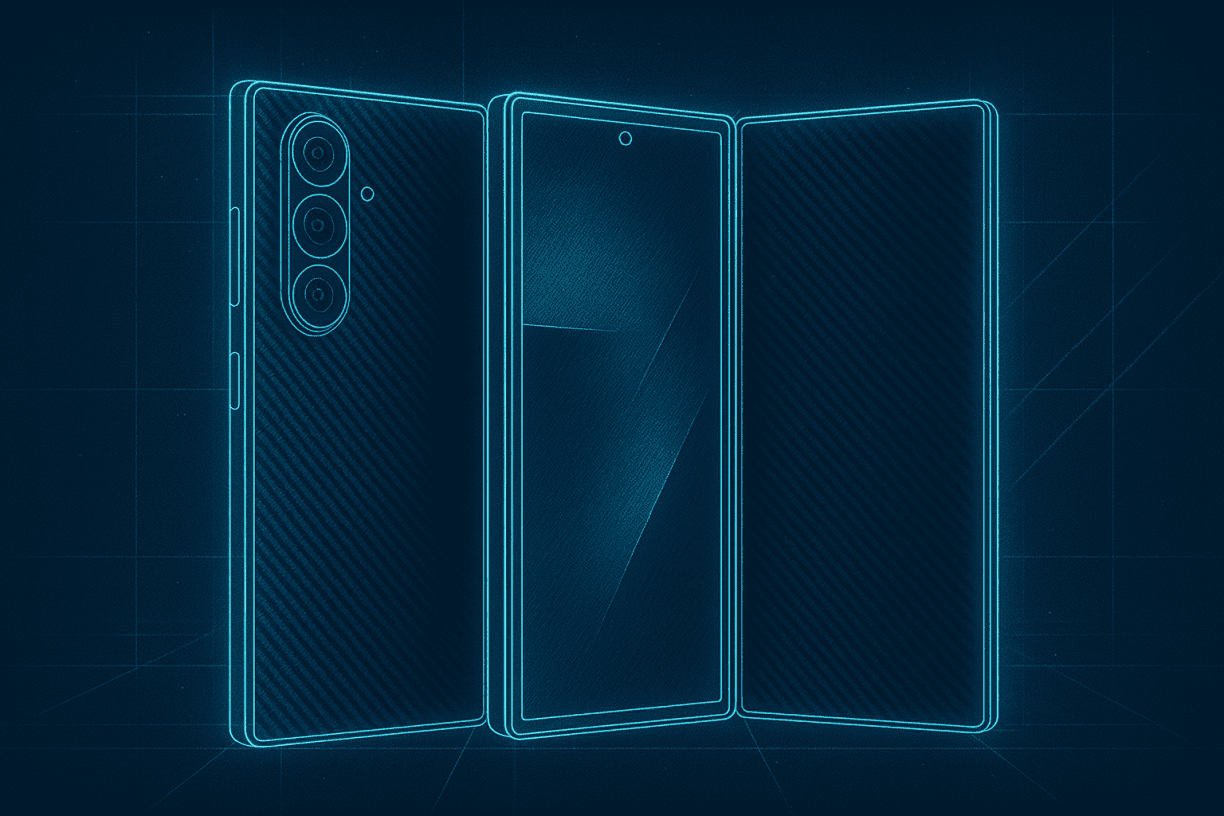
At the same time, Samsung faces mounting pressure from Apple, both in AI capabilities and hardware innovation. While Samsung continues to dominate the foldable smartphone segment with an estimated two-thirds market share, growth in that category has been slower than expected due to engineering challenges. Apple is widely expected to enter the foldable market, potentially reshaping competitive dynamics.
Supply Chain Risks and Hardware Constraints
Beyond competitive pressures, Samsung’s AI expansion is unfolding against a challenging hardware backdrop. Rising global demand for AI compute has increased pressure on memory chip supply, benefiting Samsung’s semiconductor division while simultaneously squeezing margins on consumer devices.
Roh acknowledged that renewed memory shortages could lead to higher device prices, describing the situation as one where “no company is immune” to the impact of surging component costs. While AI-driven demand is strengthening parts of Samsung’s business, it also introduces volatility across the broader hardware supply chain.
What Comes Next for Samsung’s AI-First Push
Samsung’s plan to reach 800 million Gemini-powered devices signals a long-term commitment to embedding AI as a default layer of the user experience. Rather than positioning AI as an optional add-on, the company is betting that deep integration across hardware, software, and services will define the next phase of consumer technology.
As AI competition increasingly shifts from model performance to platform scale and distribution, Samsung’s partnership with Google places it at the center of a rapidly evolving ecosystem, one where access, reach, and integration may prove as decisive as raw technical capability.