Foldable Future: Huawei and Samsung Race to Dominate the TriFold Smartphone Market

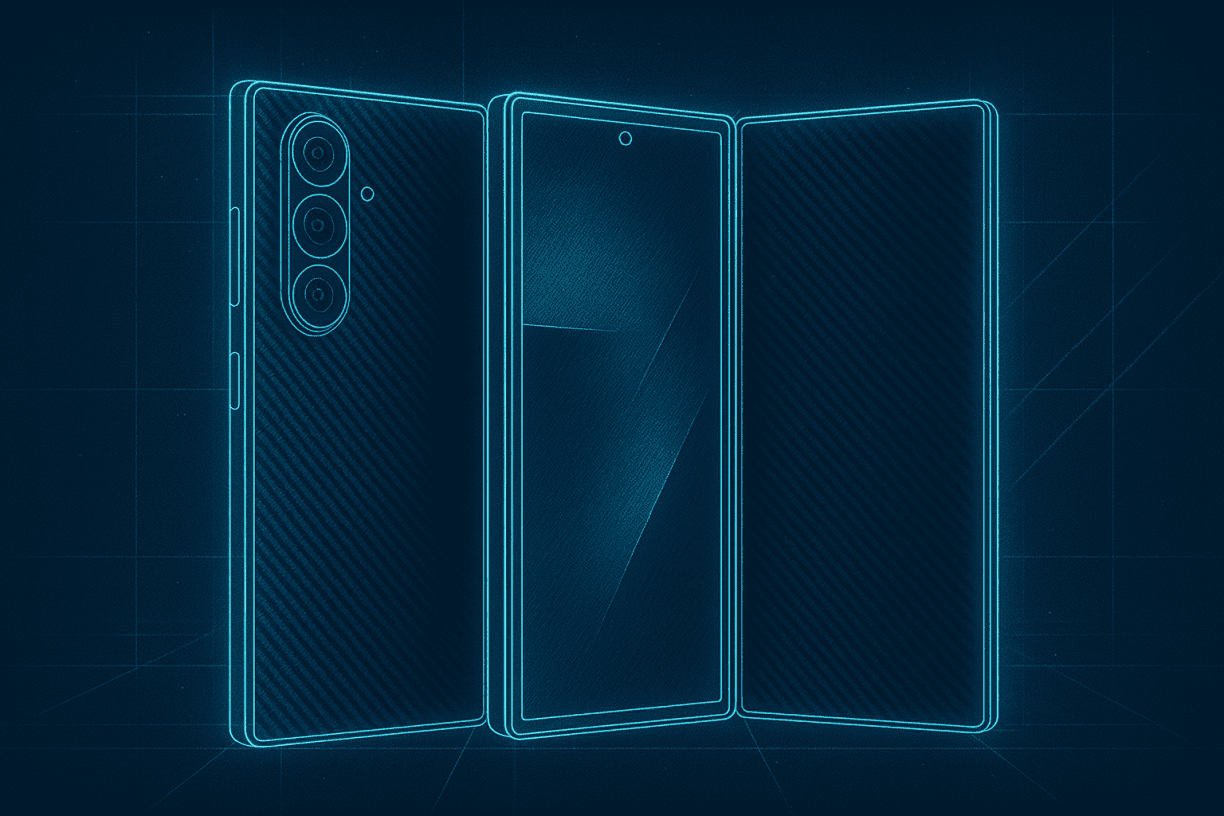
The foldable smartphone race has officially entered its next chapter, and this time, it’s a battle of tri-folding giants. After years of experimentation with flip and bi-fold devices, the industry is now pushing into truly tablet-scale form factors. China’s Huawei struck first with its Mate XT Ultimate in September 2024, showcasing a bold three-way folding design. Now, Samsung has answered with the Galaxy Z TriFold, its debut multi-fold smartphone and one of the most ambitious hardware projects the company has ever shipped.
Even though both devices target a niche audience due to their ultra-premium pricing and complex construction, they serve as a critical preview of where the future of mobile hardware is headed. And judging by the numbers, 2026 and 2027 could see annual growth rates exceeding 30% in the foldable category, making tri-fold devices a potential battleground for brand dominance, especially with Apple expected to enter the foldable arena next year.
Below is a detailed comparison of how Huawei and Samsung are shaping the early trifold landscape.
The New Multi-Fold Vision: From Phone to Tablet
Both manufacturers approach the tri-fold concept with similar goals: to expand the display into a near-tablet form; however, their interpretations differ in scale, engineering, and use case.
Huawei Mate XT Ultimate: A Tablet That Happens to Fold
Huawei’s device is unapologetically massive. When fully unfolded, its 10.2-inch LTPO OLED screen behaves more like a compact tablet than a smartphone. The display resolution (2232×3184px at 381 ppi) offers one of the crispest visual experiences in the foldable market.
Its folding mechanism utilises two precision-designed hinges, allowing the panel to fold one or two times, depending on how users prefer to carry it. Despite its size, Huawei achieved an impressive 3.6mm thickness when fully open, a significant engineering milestone for such a large foldable screen.
The Mate XT Ultimate supports multiple modes:
- 6.4-inch cover display (one-third of the full panel)
- 7.9-inch dual display (two-thirds)
- Full 10.2-inch unfolded display
Premium materials, including ultra-thin glass, vegan leather, and a metal frame, further emphasise that this device is positioned as a luxury tablet replacement.
Samsung Galaxy Z TriFold: A More Balanced, Phone-First Approach
Samsung’s trifold strategy is more conservative but arguably more practical for global users.
The Galaxy Z TriFold unfolds into a 253mm (approximately 10-inch) display, almost identical in size to Huawei’s, but Samsung designed it with a clearer smartphone identity when closed and a more polished integration into its ecosystem.
While less is known about the specific panel materials and hinge mechanics, Samsung confirmed this is the company’s first commercial trifold, building on seven generations of Z Fold experience.
Analysts highlight that Samsung’s trifold:
- It is considered a technology showcase rather than a mass-market device
- Prioritises durability improvements and hinge refinement
- Expands the company’s foldable lineup in a way that reinforces its market leadership
Pricing: Premium vs Ultra-Premium
Tri-fold smartphones remain among the most expensive devices in the mobile market, reflecting their complexity, cutting-edge materials, and early-stage production volumes. But even within this niche, Huawei and Samsung have taken noticeably different pricing approaches.
Huawei Mate XT Ultimate ~$3,400 USD
Huawei positions the Mate XT Ultimate firmly in the ultra-premium category. Priced at roughly $3,400 for the 1TB/16GB RAM configuration, the device sits at the high end of the foldable market and targets users who want a full tablet-class display in a pocketable form.
This price reflects:
- the extensive hinge engineering
- the 10.2-inch OLED panel
- ultra-thin glass construction
- premium external materials
Huawei’s strategy is clear: the Mate XT Ultimate isn’t just a smartphone; it’s a showcase of what a large-format, multi-fold device can be.
Samsung Galaxy Z TriFold ~$2,440 USD
Samsung takes a more accessible (though still premium) approach with the Galaxy Z TriFold. Launching at ₩3.6 million, or approximately $2,440 USD, the TriFold undercuts Huawei by almost a thousand dollars. This pricing reflects Samsung’s intent to enter the tri-fold market competitively while still acknowledging the device’s first-generation status and advanced engineering.
Samsung’s positioning suggests the TriFold is aimed at enthusiasts and early adopters who want next-generation hardware backed by a mature global software ecosystem.
Functionality and Software Ecosystem: Hardware vs Global Usability
Where Huawei impresses in raw design innovation, Samsung maintains a strong advantage in ecosystem depth, especially in international markets.
Huawei Mate XT Ultimate
The Mate XT Ultimate runs on the Kirin 9010, a chipset that delivers mid-range performance compared to leading Snapdragon or Exynos processors. More importantly, Huawei’s ongoing restrictions limit the device to:
- 4G connectivity outside China
- EMUI 14.2 or Harmony OS 4.2
- No native Google Mobile Services (GMS)
While users can sideload Google apps through workarounds such as GBox, microG, or the Easy Travel container, compatibility issues remain a potential deal-breaker for many Western consumers.
However, Huawei does offer:
- 5,600mAh battery
- 66W wired + 50W wireless charging
- Strong triple-camera system
- Innovative display configurations
The main drawback? No water resistance, which raises durability questions for a device with three folding segments.
Samsung Galaxy Z TriFold
Samsung focused on endurance and practicality:
- The TriFold includes Samsung’s largest flagship battery ever
- Achieves 50% charge in 30 minutes
- Integrates fully with Android, Samsung One UI, and Google apps
- Benefits from Samsung’s long-term foldable R&D experience
Analysts caution that, as a first-generation trifold, durability challenges may emerge. Even Samsung’s well-established Z Fold lineup experienced several revisions before stabilising. Still, with Samsung’s global support infrastructure, software integration, and existing foldable user base, the TriFold is viewed as a safer recommendation for international buyers.
Conclusion: The Multi-Fold Smartphone Market Is Only Getting Started
The trifold era has begun, and Huawei and Samsung are leading the charge with starkly different philosophies.
- Huawei builds a tri-fold super device, a tablet disguised as a phone, commanding a luxury price and packed with bleeding-edge hardware.
- Samsung delivers a more balanced, ecosystem-friendly product at a lower (but still premium) price, crafted for broader adoption and long-term foldable strategy.
Together, these early devices signal a fundamental shift in mobile hardware innovation. Multi-folding phones could redefine productivity, entertainment, and portable computing, especially as the industry anticipates Apple’s first foldable entry next year.
If tri-folds are the next frontier, the Huawei–Samsung rivalry is the opening match in a much larger war for the future of hybrid mobile computing.
As the market accelerates toward 30% annual growth in 2026 and 2027, one thing is clear: A foldable future isn’t coming, it’s already unfolding.