


• Get in touch
  • Partner with us
  • Explore Shop
  • About Blockrora
  • Login
  • Register
Upgrade
Blockrora
  • Technology
  • Blockchain
  • Business
  • Finance
  • Science
  • Health
  • Education
No Result
View All Result
  • Technology
  • Blockchain
  • Business
  • Finance
  • Science
  • Health
  • Education
No Result
View All Result
Blockrora
No Result
View All Result
Home Science & Innovation News

Blue Origin’s $190M Win: NASA Revives VIPER Rover Mission to Lunar South Pole

Blockrora by Blockrora
September 24, 2025
in Science & Innovation News
17
A A
0
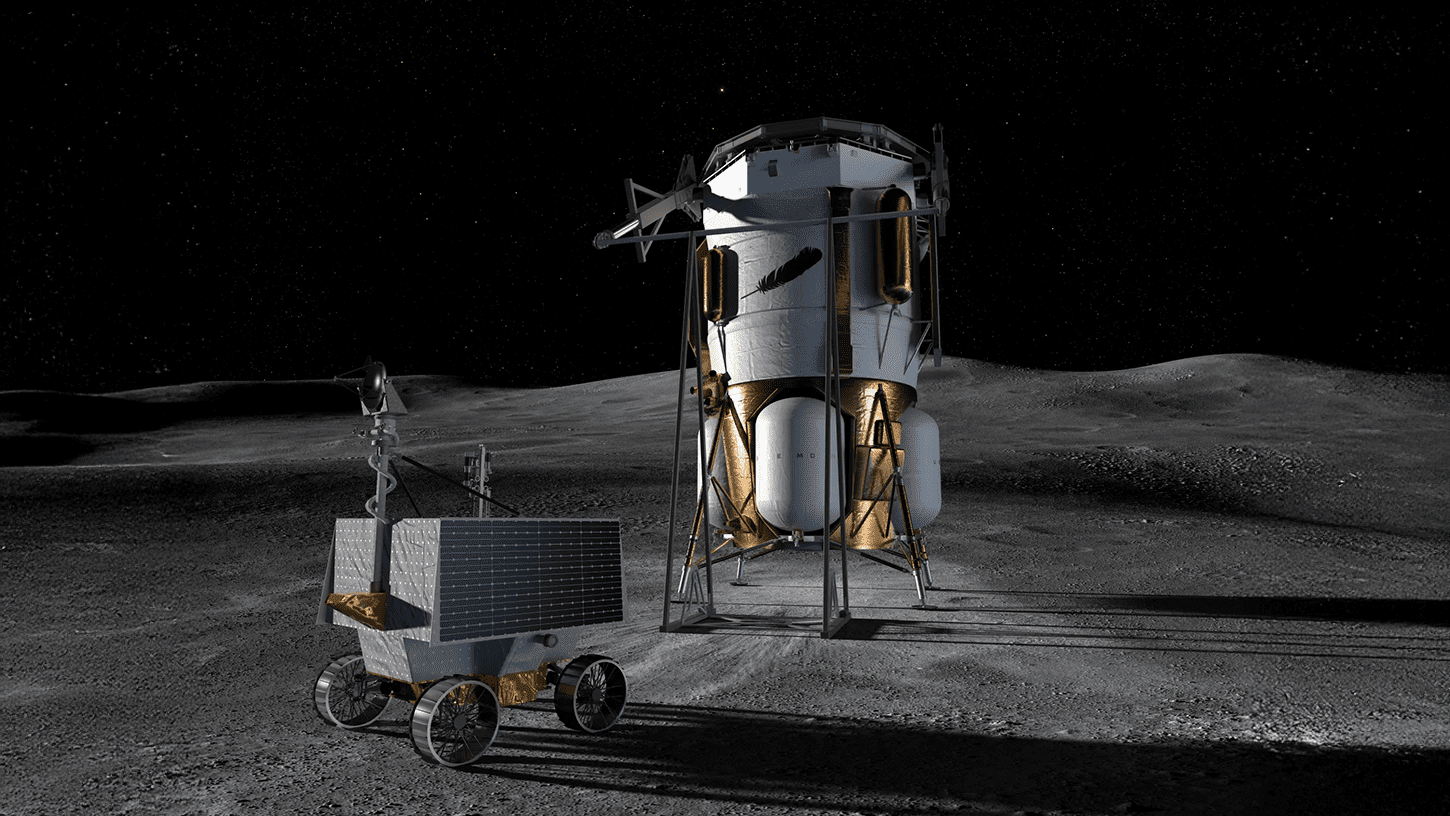
Artist’s concept of Blue Origin’s Blue Moon MK1 lander and NASA’s VIPER rover on the Moon’s south pole

Blue Origin’s Blue Moon MK1 lander and NASA’s VIPER rover are shown in this concept image, set to explore the lunar south pole in 2027.

NASA has officially breathed new life into a once-canceled lunar mission, awarding Blue Origin a $190 million contract to deliver the Volatiles Investigating Polar Exploration Rover (VIPER) to the Moon’s south pole. This marks a major milestone not only for Blue Origin’s Blue Moon MK1 lander but also for NASA’s broader ambitions of building a sustainable presence on the Moon.

A Contract That Signals Confidence

The deal was announced on September 22, 2025, under NASA’s Commercial Lunar Payload Services (CLPS) program. For Blue Origin, it represents a strong vote of confidence, coming on top of the company’s Human Landing System contract for the Artemis program. This award cements Blue Origin as a central player in both human-rated and robotic lunar missions.

You might also like

Inside SpaceX’s Radical Plan for Hourly Rocket Launches

Largest Orbital Compute Cluster Opens for Space-Based AI

UCT Astronomers Discover Massive Supercluster Behind Milky Way

Unlike the crew-focused Artemis lander, the Blue Moon MK1 is a cargo workhorse designed to ferry scientific payloads. Its maiden headline assignment: carrying the VIPER rover to a landing site near the lunar south pole in late 2027.

Why the South Pole Matters

The lunar south pole has long fascinated scientists because of its potential reserves of water ice hidden in permanently shadowed craters. Water is the key to long-term exploration; it can be split into hydrogen and oxygen for rocket fuel, used as breathable oxygen, and, of course, consumed as drinking water.

By drilling, sampling, and scanning the surface, VIPER will determine whether these icy deposits truly exist in a usable form. The mission could redefine how NASA and its partners plan future Moon bases and even deep-space travel.

Meet VIPER: The Rover on a Mission

Roughly the size of a golf cart, VIPER is far from a simple robotic rover. Equipped with a drill and three advanced spectrometers, it is tasked with spending about 100 days roaming the lunar surface. Its mission: to sniff out hydrogen, water, and minerals while drilling below the regolith to map ice deposits.

The information VIPER collects will help NASA answer a fundamental question: Can humans “live off the land” on the Moon, or will missions always need costly resupply from Earth?

A Program That Almost Didn’t Happen

VIPER’s journey to the launchpad has been anything but straightforward. Originally, NASA had awarded delivery to Astrobotic in 2020, with its Griffin lander set to handle the mission. However, technical delays and escalating costs eventually doomed the program, leading NASA to cancel it outright in July 2024, although the rover was nearly ready.

The decision sparked widespread backlash from lawmakers and the scientific community, who argued that scrapping VIPER wasted years of effort. Just a month later, NASA invited new proposals from U.S. space companies to salvage the mission. Blue Origin emerged as the winner, securing not only a contract but also a chance to demonstrate the capability of its Blue Moon lander.

Beyond One Rover

The revival of VIPER isn’t just about one rover; it’s about NASA’s evolving model for exploration. By relying on commercial providers through the CLPS program, the agency reduces its costs while giving private companies a stake in humanity’s return to the Moon.

For Blue Origin, this mission is more than a contract; it’s a proving ground. If successful, the Blue Moon lander will join the ranks of trusted lunar transporters, positioning the company for future high-profile science and resource missions.

Looking Ahead

When VIPER begins its 100-day trek across the South Pole in 2027, the data it collects could unlock the Moon’s greatest resource, water, and pave the way for humanity’s next giant leap.

As NASA Administrator Bill Nelson put it during the announcement, “Every rover, every lander, every contract brings us one step closer to staying on the Moon, not just visiting it.”

With VIPER back on the books and Blue Origin in the pilot seat, will the Moon’s hidden reserves finally reveal themselves and reshape the future of space exploration?
Tags: Blue OriginCLPS programlunar south poleNASAspace explorationVIPER rover
SendShare15Tweet9Share3
Previous Post

Light Becomes a Supersolid: Quantum Breakthrough Sparks Future Tech Hopes

Next Post

Why the iPhone 17 Upgrade Doesn’t Make Sense in 2025

Blockrora

Blockrora

Blockrora is an independent global news platform decoding the intersection of emerging technology, business, and science. No fluff, no jargon, just sharp, tech-forward journalism.

Related Posts

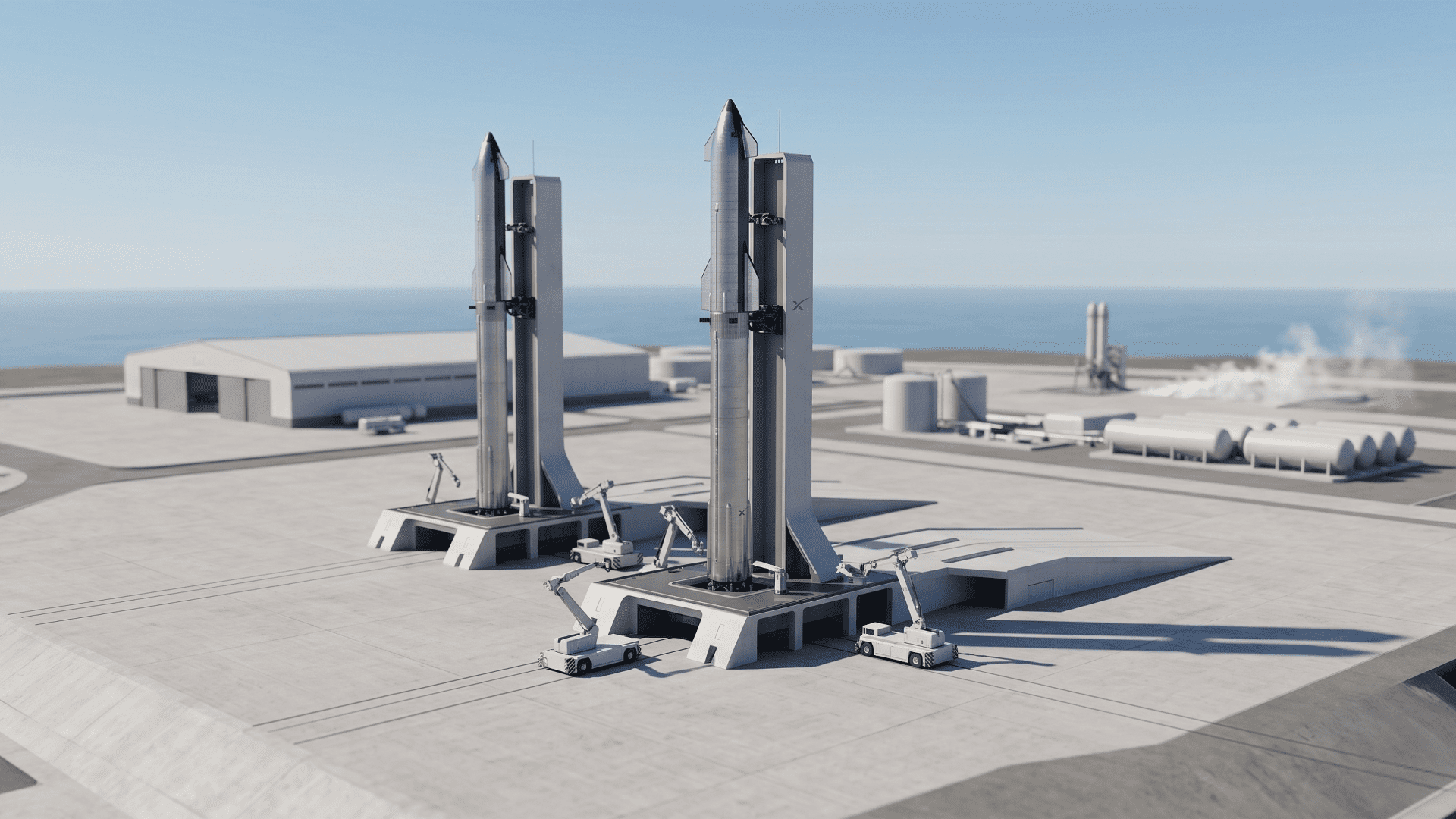
SpaceX Starship rockets being prepared for rapid, high-frequency launch operations at a launch facility.
Science & Innovation News

Inside SpaceX’s Radical Plan for Hourly Rocket Launches

by Blockrora
May 23, 2026
241
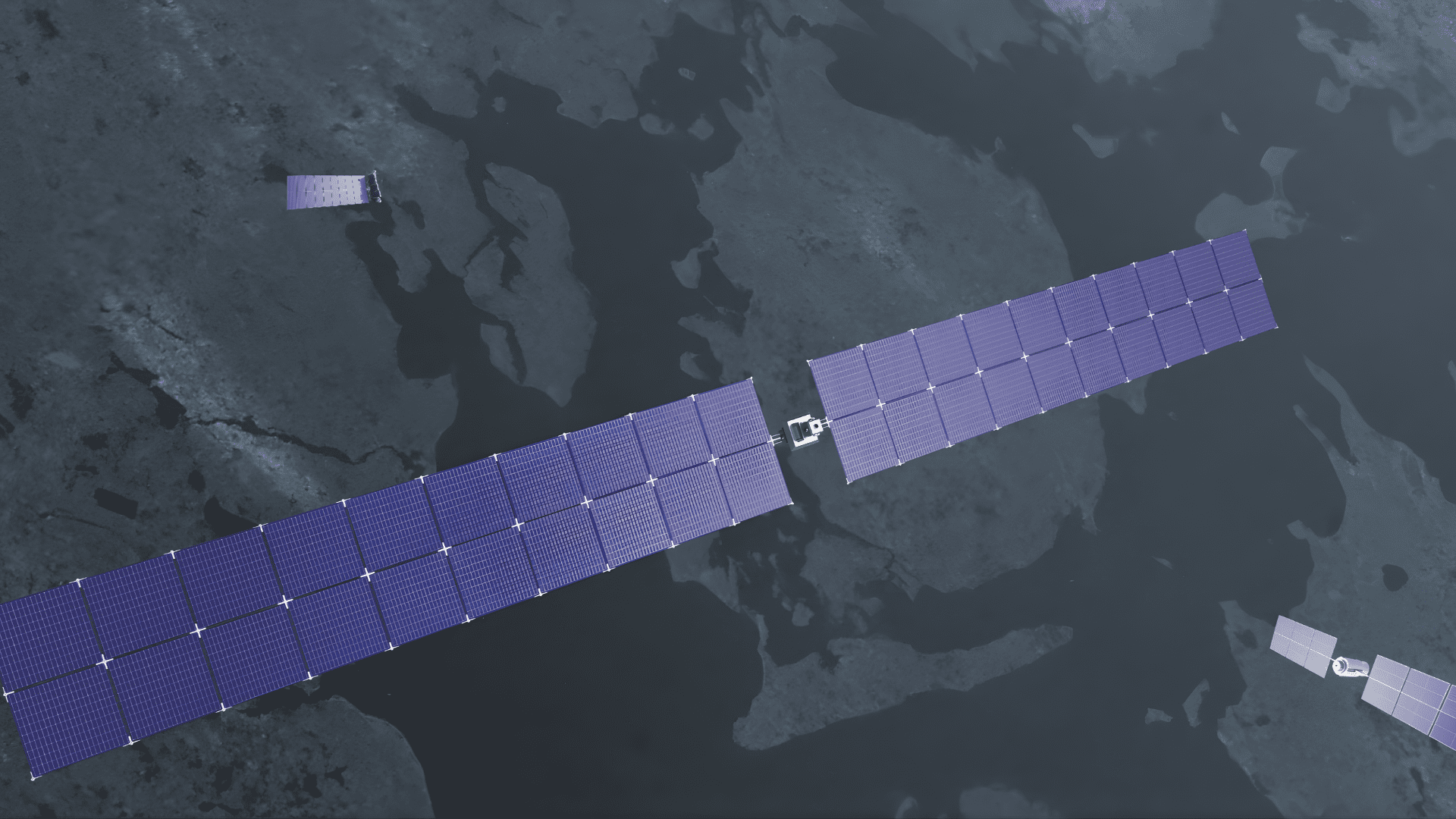
Orbital compute satellite node in Low Earth Orbit with solar panels and TILE architecture.
Science & Innovation News

Largest Orbital Compute Cluster Opens for Space-Based AI

by Blockrora
April 13, 2026
233
A high-resolution mapping of the Vela-Banzi supercluster discovery by UCT astronomers, showing galactic flows behind the Milky Way.
Science & Innovation News

UCT Astronomers Discover Massive Supercluster Behind Milky Way

by Blockrora
March 12, 2026
231
Robotic arms in Chinese flag colors assembling brain-computer interface (BCI) devices on a high-tech factory production line, symbolizing China's shift to neurotech industrial dominance.
Health & Science Reporting

China’s National BCI Strategy: The Shift from Research to Industrial Dominance

by Blockrora
February 25, 2026
231
Next Post
Apple iPhone 17 Pro Max features, including 48MP rear cameras, improved battery life, faster GPU, and new front camera.

Why the iPhone 17 Upgrade Doesn’t Make Sense in 2025

Leave a Reply Cancel reply

Your email address will not be published. Required fields are marked *

ADVERTISEMENT

Premium Content

Google Search interface on a tablet showing Gemini 3 AI Overview and a conversational follow-up question prompt.

Google Integrates Gemini 3 to Power Conversational Search

January 28, 2026
232
Illustration of Visa's Johannesburg data centre powering digital payment infrastructure across Africa at sunrise

Visa Invests Big in Africa: Inside Johannesburg’s New Data Powerhouse

July 25, 2025
231
AI-generated illustration of a medical savings wallet with a tear, showing hospital and medical icons falling out after a claims processing error in South Africa.

Discovery Health Faces Member Backlash After Requesting Repayment of Medical Claims

January 12, 2026
231

Browse by Category

  • Blockchain News & Analysis
  • Breaking News & Updates
  • Business News & Insights
  • Education Sector News
  • Finance & Markets News
  • Health & Science Reporting
  • Marketing & Media Trends
  • Opinions & Editorials
  • Press Releases & Announcements
  • Science & Innovation News
  • Technology News & Reviews
  • Travel & Tourism

Browse by Tags

AI AI agents AI Infrastructure AI regulation AI Safety Amazon Anthropic Apple Apple Intelligence Artificial intelligence Automation Bitcoin Blockchain Blockchain infrastructure Blockchain security ChatGPT Cloud Computing Crypto adoption Cryptocurrency Crypto payments Crypto Regulation Cybersecurity Data privacy Decentralized Finance DeFi Fintech Generative AI Google AI Google Gemini Klever KleverChain KunaiKash Meta Meta AI Microsoft NVIDIA OpenAI Smart contracts Social Media SpaceX Stablecoins Starlink tech news TikTok Web3
Blockrora light logo

Blockrora is an independent global news platform decoding the intersection of emerging technology, business, and science. No fluff, no jargon, just sharp, tech-forward journalism.

Categories

  • Blockchain News & Analysis
  • Breaking News & Updates
  • Business News & Insights
  • Education Sector News
  • Finance & Markets News
  • Health & Science Reporting
  • Marketing & Media Trends
  • Opinions & Editorials
  • Press Releases & Announcements
  • Science & Innovation News
  • Technology News & Reviews
  • Travel & Tourism

About us

  • Partnerships
  • Privacy Policy
  • Terms of Service
  • Acceptable Use Policy
  • Diversity & Inclusion
  • Editorial Standards & Ethics
  • Refund & Return Policy
  • Sitemap
  • RSS Feed

Recent Posts

  • The AI Commodity War: Why China Bets on ‘Tokens’ While the US Focuses on GPUs
  • How NALA’s $50M Facility Accelerates Stablecoin Payments Infrastructure
  • Is This the GPT-5 Killer? Claude Opus 4.8 Arrives with ‘Dynamic Workflows’ and Extreme Autonomy

© 2026 Blockrora - Blockchain, Business, Tech & Global News.

Welcome Back!

Sign In with Facebook
Sign In with Google
Sign In with Linked In
OR

Login to your account below

Forgotten Password? Sign Up

Create New Account!

Sign Up with Facebook
Sign Up with Google
Sign Up with Linked In
OR

Fill the forms bellow to register

All fields are required. Log In

Retrieve your password

Please enter your username or email address to reset your password.

Log In
  • Login
  • Sign Up
  • Cart
No Result
View All Result
  • Technology
  • Blockchain
  • Business
  • Finance
  • Science
  • Health
  • Education

© 2026 Blockrora - Blockchain, Business, Tech & Global News.

Secret Link
Not enough quota to unlock this post
Unlock left : 0
Are you sure want to cancel subscription?
Go to mobile version