

The celestial race for orbital dominance just reached a fever pitch. In a move that signals a massive escalation in the battle for global connectivity, Amazon has officially announced an $11.57 billion deal to acquire satellite firm Globalstar.
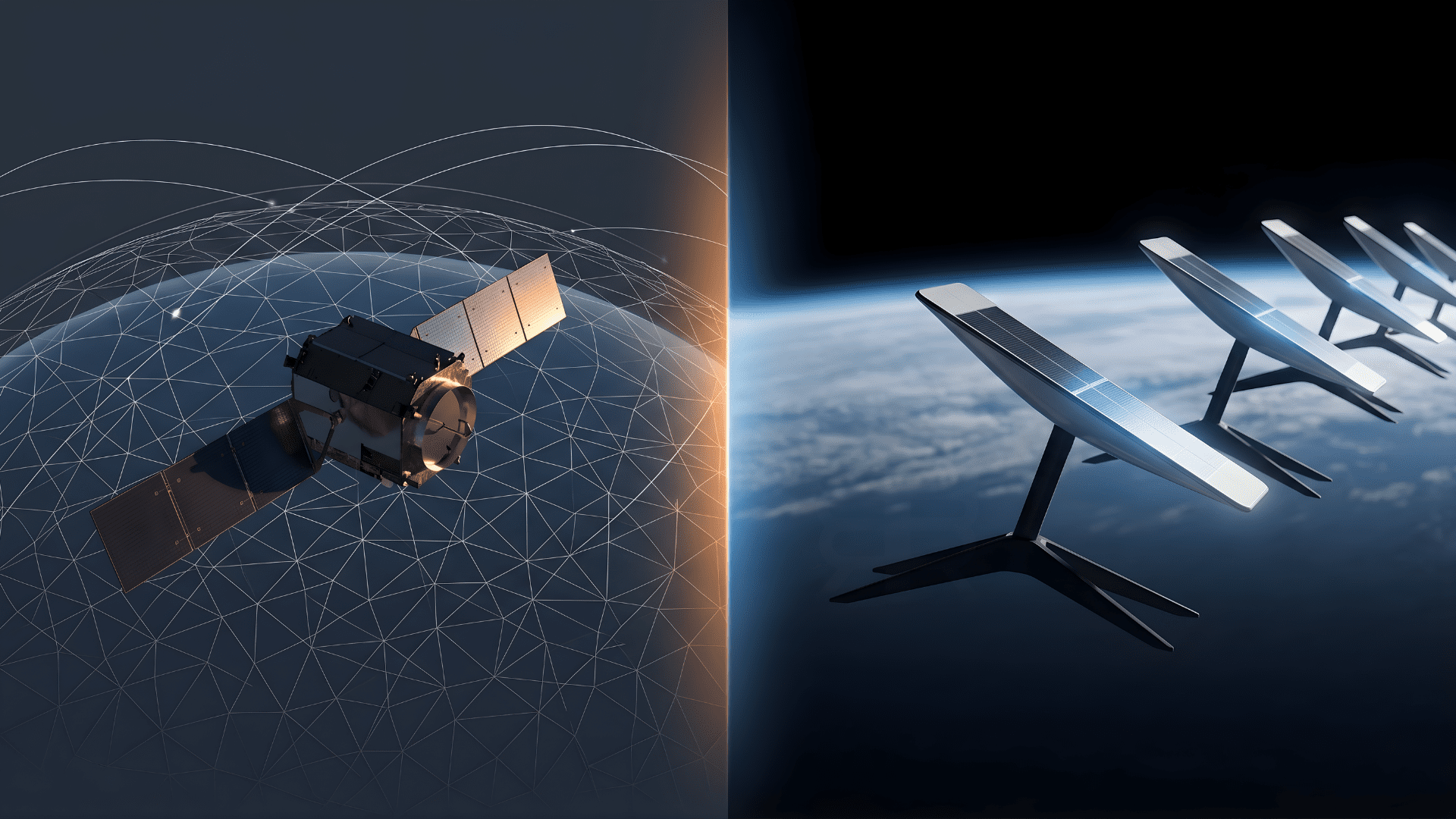
This multi-billion-dollar acquisition isn’t just about adding more hardware to the sky; it’s a strategic masterstroke designed to pit Jeff Bezos’s Amazon Leo (formerly Project Kuiper) directly against Elon Musk’s Starlink in the race for the “Direct-to-Device” (D2D) future.
The $11 Billion Spectrum Play
While Starlink currently leads the market with over 10,000 satellites in orbit, Amazon has been playing a high-stakes game of catch-up. By acquiring Globalstar, Amazon isn’t just buying satellites; it’s buying spectrum.
Globalstar holds valuable licensed Mobile Satellite Spectrum (MSS) that allows for seamless communication between satellites and everyday mobile devices. This “Direct-to-Device” capability is the holy grail of modern telecommunications, promising a world where “dead zones” are a thing of the past.
For Amazon, this deal provides a critical shortcut. Instead of spending years navigating regulatory hurdles for new spectrum rights, they have effectively bought an express pass to challenge Starlink’s dominance in the mobile-to-satellite sector.
The Apple Factor: A New Tech Alliance
Perhaps the most captivating aspect of this deal is Apple’s role. Globalstar has long been the backbone of Apple’s “Emergency SOS” and “Find My” satellite features.
As part of the acquisition, Amazon and Apple have signed a parallel agreement to continue powering these safety features for iPhone and Apple Watch users. This places Amazon at the heart of the iOS ecosystem, creating a powerful alliance between two of the world’s biggest tech giants to ensure Starlink doesn’t hold a monopoly on emergency satellite services.
Securing the Skies: From In-Flight Wi-Fi to Global Coverage
This acquisition comes hot on the heels of Amazon’s growing momentum in the commercial sector. Just recently, we covered how Amazon Leo secured a landmark deal with Delta Air Lines to provide high-speed, low-latency Wi-Fi to hundreds of aircraft.
By integrating Globalstar’s assets with its own rapidly growing constellation, which aims to have 3,200 satellites in orbit by 2029, Amazon is building a vertically integrated empire that spans from in-flight entertainment to life-saving emergency connectivity.
Why This Matters for the Future
For the average consumer, this “Battle of the Billionaires” is good news. Increased competition between Amazon and SpaceX will likely lead to:
- Better Global Coverage: Faster internet in rural and remote areas.
- Lower Costs: Competitive pricing for satellite-based data plans.
- Innovation: More advanced “Direct-to-Device” features that go beyond emergency texting to full voice and data capabilities.
As Amazon prepares to roll out its commercial services later this year, the message to SpaceX is clear: the monopoly is over. The battle for the final frontier of the internet is no longer just a vision of the future; it’s a multi-billion-dollar reality happening right now.