Apple Breaks Laptop Tradition With Touchscreen MacBook Pro
Apple CEO John Ternus unveiled the first touchscreen MacBook Pro models with OLED displays, reversing a decade-plus stance and targeting the premium creative market.
Listen to this article
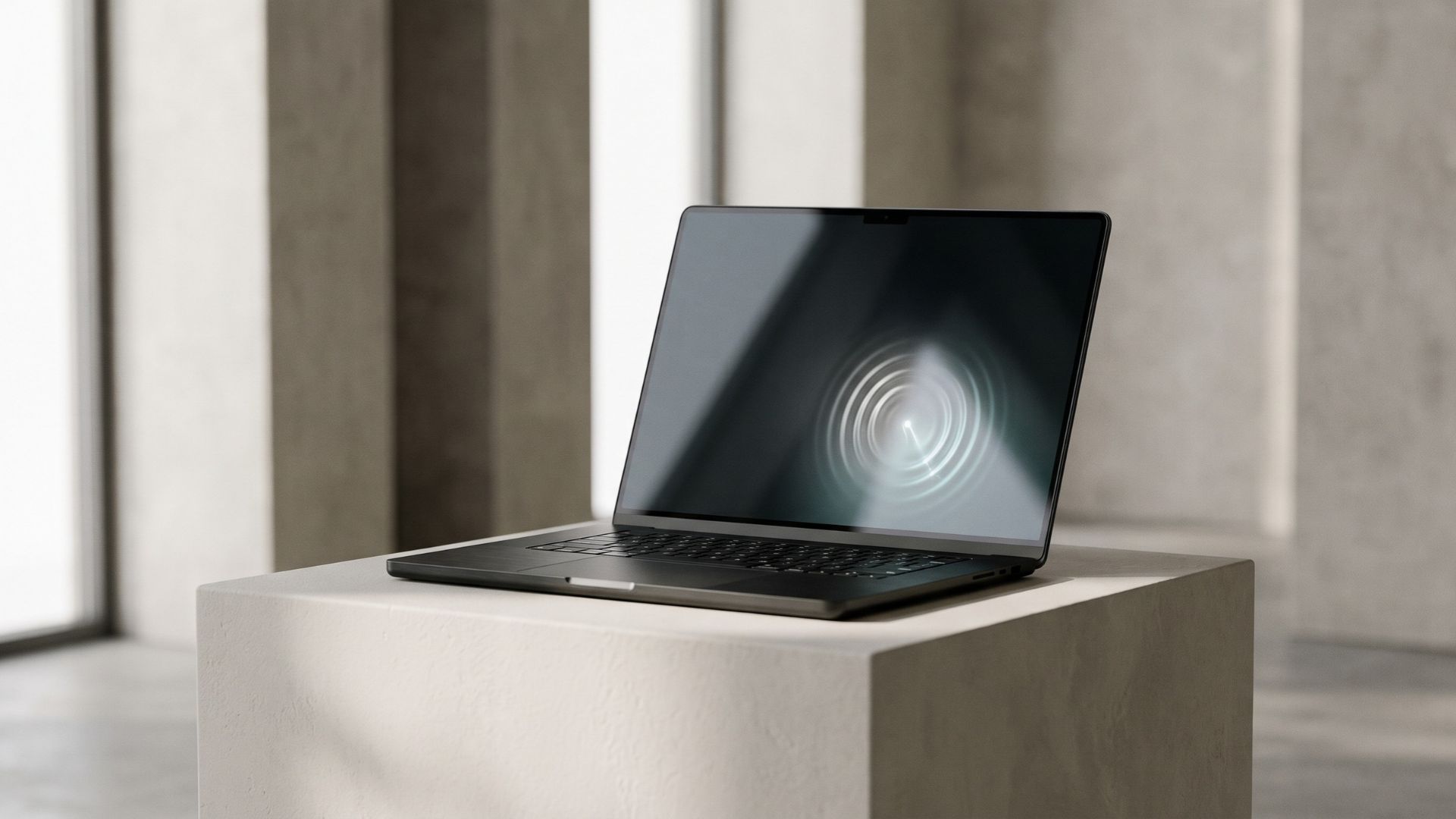
Apple chief executive John Ternus took the stage in Los Angeles on Wednesday to unveil the company’s first touchscreen MacBooks, marking a major reversal of a hardware philosophy it had maintained for over a decade. Addressing an audience of creative professionals and digital creators, Ternus revealed updated MacBook Pro models with organic light-emitting diode (OLED) displays, along with the return of the illuminated rear logo.
The presentation caps an aggressive slate of autumn announcements led by Ternus, who assumed the chief executive role last month. His tenure opened in September with the launch of the folding iPhone Duo at Apple's Silicon Valley headquarters, followed earlier this month by a smart home hub introduced in New York. The latest MacBook Pro announcement addresses a question industry observers have debated for years: whether Apple would ever bring touch input to its primary computing platform.
A Shift in Product Strategy
For years, Apple leadership openly dismissed the touch-enabled laptops. Co-founder Steve Jobs argued in 2010 that touchscreens on vertical notebook displays were ergonomically compromised, while former chief executive Tim Cook once compared combining laptop and tablet form factors to merging a toaster and a refrigerator. Prior to his appointment as chief executive, Ternus regularly pointed to the iPad portfolio as the company's dedicated answer for touchscreen computing.
Industry analysts point out that market realities and changing user habits eventually forced a recalibration. Anshel Sag, an analyst at Moor Insights & Strategy, noted that consumer expectations have shifted dramatically after nearly twenty years of widespread smartphone and tablet use. While Windows hardware manufacturers have sold touchscreen laptops for well over a decade, Apple kept touch interaction isolated to iOS and iPadOS hardware.
Hardware Specifications and Pricing
The updated lineup introduces substantial engineering updates directed at high-end workloads, running on Apple's latest silicon architecture. Pre-orders opened Wednesday, with official retail availability scheduled for November 6.
14-inch MacBook Pro: Starts at $2,899, configured with the M5 Pro processor and an OLED touch display.
16-inch MacBook Pro: Starts at $4,799, powered by the M5 Max chip, weighing 0.7 pounds less than its predecessor.
Display Engineering: Utilizes thermal chassis redesigns and M5 chip refresh cycles to prevent OLED burn-in.
Availability: Available for pre-order immediately, with shipments and store arrivals beginning November 6.
Tom Mainelli, head of IDC's Device and Consumer Research Group, noted that the hardware target remains visual artists, photographers, and video editors who require accurate colour fidelity and naturally navigate workflows through direct screen interaction. Addressing common concerns regarding image retention on OLED panels, Apple stated that internal airflow routing diverts heat away from the display layer, using silicon-level controls to cycle and preserve the panel over extended operating periods.
Market Position and Enterprise Competition
Despite the technical additions, Apple faces an established field of competitors offering touch capabilities at much lower price tiers. Data from research firm IDC shows that PC manufacturers shipped 33.4 million touchscreen laptops in 2025, representing 16 percent of total notebook volume and a 22 percent increase year-over-year. Across competing brands such as Lenovo, HP, and Dell, the average selling price for touch-capable notebooks hovered around $1,009.
By setting the entry-level tier at $2,899, Apple is concentrating strictly on the premium market segment. Although the entry configuration costs more than a combined bundle of base-tier Apple consumer devices, the release signals Ternus's effort to maintain high hardware margins while testing broader form-factor adaptations across Apple's flagship products.
The Morning Brief
Start every day knowing what matters in tech
Six stories chosen by our editors, in your inbox at 06:00 UTC. Free.
Instant notifications in this browser when big news breaks. No email needed, and you can turn them off any time.
See more Blockrora in Google
Make us a preferred source and our stories show up more often in Top Stories.

Editor and Writer at Blockrora. Backed by years in mainstream tech and health tech development, Lauren covers digital health, tech adoption, and the societal shifts shaping the web. Wellness advocate and coastal wanderer.
More from Lauren →