ChatGPT Launches Smart Shopping Research Tool


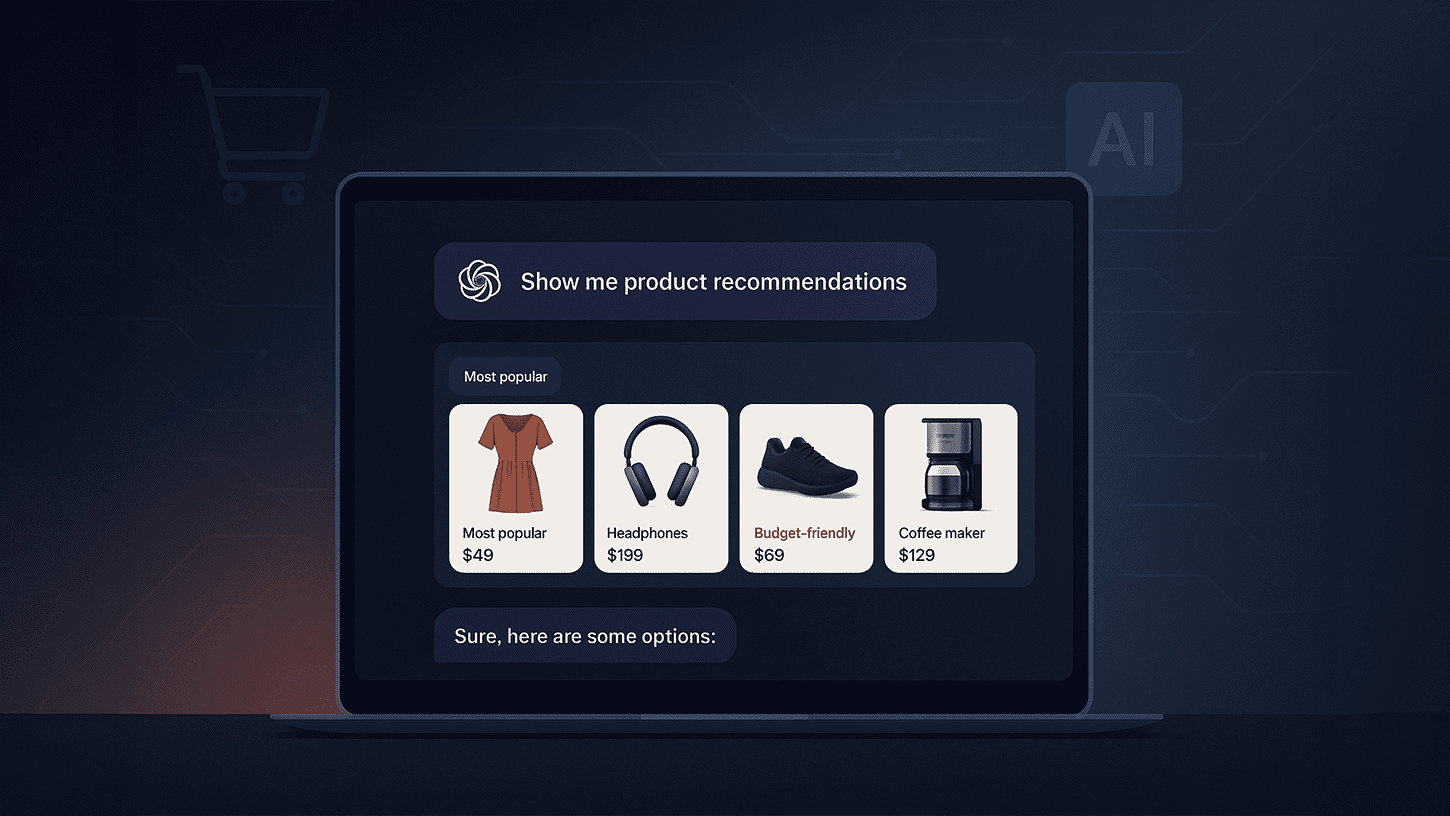
OpenAI is turning ChatGPT into your personal shopping strategist. The company has unveiled “shopping research,” an AI-powered feature that analyzes reviews, compares specifications, and creates tailored buyer’s guides, all inside a single conversation. Rolling out globally on November 24, 2025, this feature is designed to help users make confident, data-backed purchases faster than ever. Available to all ChatGPT users from Free to Pro tiers, it marks one of OpenAI’s most significant steps toward AI-driven consumer assistance.
How ChatGPT’s shopping feature works
OpenAI’s new shopping research mode is a three-stage process that redefines online decision-making.
- Describe Your Need: Users begin by explaining what they’re looking for. ChatGPT then asks clarifying questions about preferences, price range, or the intended audience for the product. If ChatGPT’s Memory is enabled, it even recalls previous preferences for more personalized results.
- Guide the Research: ChatGPT performs live web research, compiling verified data from reliable retail and review sites. Users can fine-tune results by saying “not interested” or “show more like this,” guiding the AI in real time.
- Receive a Buyer’s Guide: The conversation concludes with a personalized buyer’s guide that summarizes top recommendations, highlights key trade-offs, and outlines the reasons each product fits or falls short.
Unlike standard search engines or affiliate platforms, this process is interactive and adaptive, allowing the model to refine its understanding as the conversation evolves.
GPT-5 Mini powers task-specific intelligence
Behind the feature is GPT-5 Mini, a lightweight, specialized version of OpenAI’s latest model.
It’s designed for efficiency and trained via reinforcement learning to excel at product research while balancing accuracy, recall, and speed.
OpenAI introduced a new metric called “product accuracy,” which measures how closely the AI’s suggestions match a user’s criteria across price, color, and technical specifications. This metric ensures that ChatGPT’s recommendations are contextually aligned rather than generically relevant.
This reflects a broader trend in AI development: companies are moving away from massive, generalized models toward smaller, specialized ones capable of delivering domain-level precision with lower computational overhead.
A glimpse at use cases and shopping categories
OpenAI’s shopping research feature is tailored for categories that typically require in-depth comparison, such as:
- Electronics (e.g., choosing between gaming laptops or smart TVs)
- Home and kitchen appliances
- Fashion and beauty products
- Gifts and seasonal shopping
Users can now handle tasks that once required multiple tabs, finding the best Bluetooth speaker under $200, comparing robot vacuum models, or discovering Black Friday sneaker deals, all within a single conversational interface.
ChatGPT can even act as a style curator, suggesting “lookalike” products when users want affordable alternatives to premium items.
Conversational commerce, where AI meets e-commerce
This launch cements OpenAI’s expansion into conversational commerce, a domain traditionally dominated by search engines and online retailers.
By embedding purchasing intelligence within ChatGPT, OpenAI positions its model not just as a chatbot but as a decision-making assistant at the very heart of the consumer journey.
In this model, ChatGPT becomes a bridge between discovery and checkout, guiding the user from interest to intent.
For e-commerce platforms, this shift could be transformative: rather than competing for search traffic, retailers may soon compete for AI indexing visibility to ensure their products appear in ChatGPT’s curated results.
Privacy, transparency, and future plans
OpenAI emphasizes that all shopping data remains private:
- Chat data and preferences are never shared with retailers.
- All results are based on organic, publicly available information.
- Merchants can apply for an allowlisting process to ensure accurate listings without compromising user trust.
The company acknowledges the tool may occasionally misreport availability or price data, but is actively refining accuracy metrics and source reliability.
Looking ahead, OpenAI’s roadmap includes a potential “Instant Checkout” option, allowing users to complete purchases within ChatGPT, and deeper integration with ChatGPT Pulse for proactive buyer guide recommendations based on user behavior.
Broader implications for digital shopping
The release of shopping research shifts the cognitive load of e-commerce from the user to AI.
Instead of juggling tabs and reading reviews, shoppers now receive synthesized, bias-minimized insights tailored to their exact needs.
For online retailers, this could reconfigure the traditional marketing funnel. As ChatGPT becomes the research layer, brand discovery might occur entirely within conversations, turning e-commerce websites into fulfillment endpoints.
It’s also a move toward a new ecosystem of trusted AI commerce, where large language models act as intelligent intermediaries between consumers and digital marketplaces.