Hackers Breach Unclassified CIA Intelligence Network in Suspected AI-Driven Attack
Hackers breached an unclassified CIA and ODNI open-source intelligence system, and investigators suspect an autonomous AI hacking tool called ARTEX was used.
Listen to this article
3 chapters
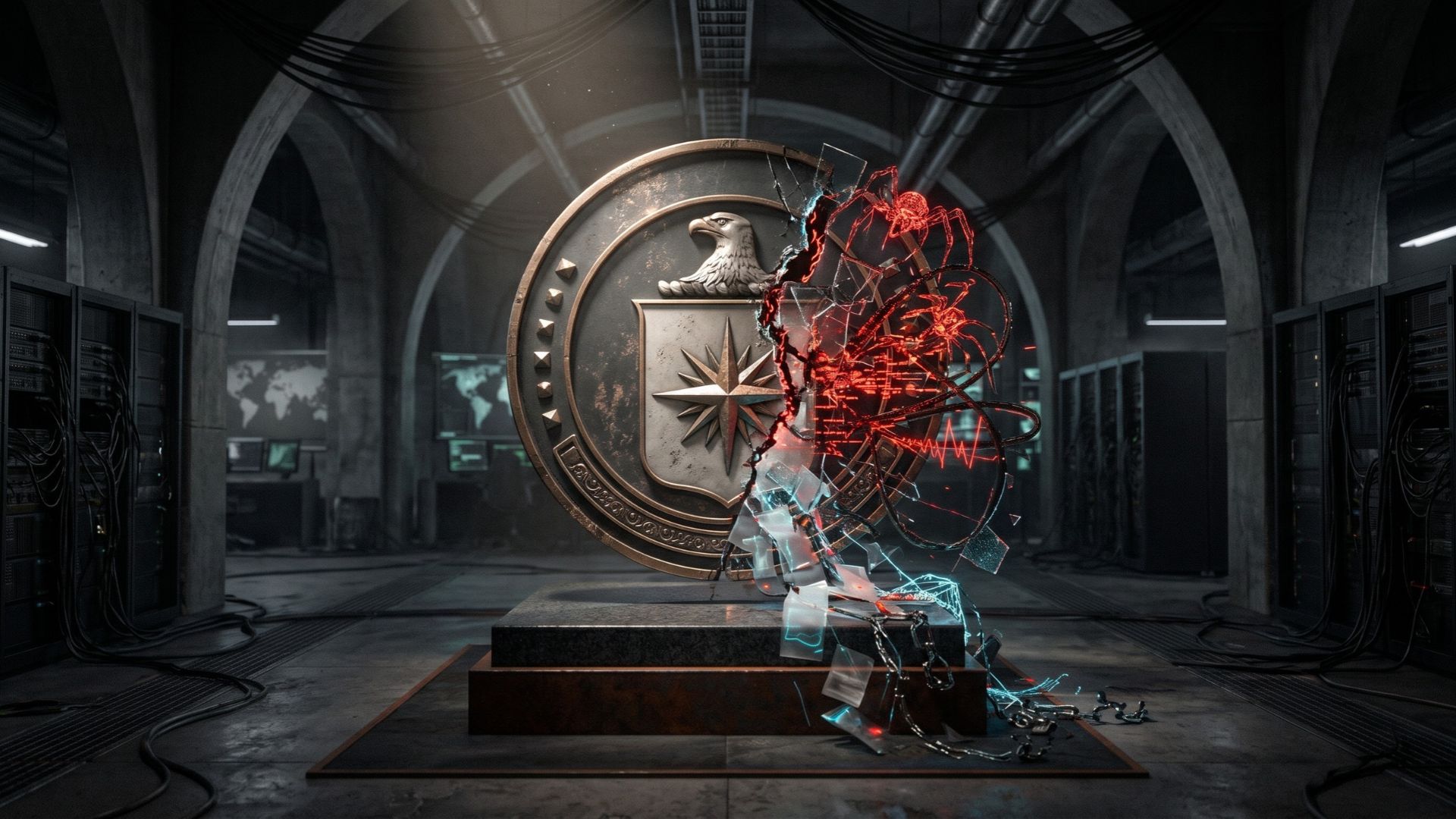
An intrusion into an open-source intelligence system shared by the CIA and ODNI exposed unclassified data, with investigators suspecting the use of an autonomous AI penetration-testing tool.
Hackers have breached an unclassified computer network used by the Central Intelligence Agency (CIA) and the Office of the Director of National Intelligence (ODNI) to process open-source intelligence, according to multiple US media reports.
First reported by The New York Times and The Washington Post on Tuesday, 24 November, and corroborated by Reuters and CyberScoop, the intrusion targeted an analytical system designed to gather and examine publicly available information from the internet and commercial databases. Subsequent reporting from Nextgov/FCW indicated that the National Geospatial-Intelligence Agency (NGA) also utilises the affected open-source intelligence architecture.
US officials and sources familiar with the incident emphasised that air-gapped classified networks and highly sensitive intelligence were not compromised. An ODNI spokesperson stated that there had been "no disruptions to critical capabilities or classified systems", while sources confirmed that the technical disruption has since been resolved. The CIA declined to comment.
The Autonomous AI Angle
While federal officials have not disclosed what specific unclassified material was accessed or how long the intruders remained inside the network, the technical method behind the breach highlights a growing threat in enterprise and government cybersecurity.
According to Nextgov/FCW, investigators suspect the attackers leveraged ARTEX, an autonomous, multi-agent AI penetration-testing platform written in Go. Originally uploaded to GitHub in July 2026 before its developer removed the repository in October following widespread malicious abuse, ARTEX translates natural-language objectives into automated reconnaissance and vulnerability exploitation commands.
Earlier this month, on 13 November, the FBI issued a flash advisory (FLASH-20261113-001) warning federal agencies and critical infrastructure operators that threat actors were actively deploying ARTEX to compromise government, defence, semiconductor, and energy networks in under three hours from initial targeting. A technical breakdown by 1Password noted that the framework automates credential harvesting, privilege escalation, and cloud enumeration at machine speed. Investigators also suspect the same tool was used in a separate, low-impact intrusion affecting the US Department of Defense Cyber Defense Command (DCDC).
Broader Federal Tech Turbulence
No individual, cybercriminal syndicate, or nation-state has yet been officially blamed for the CIA and ODNI breach. Although threat intelligence firms have previously linked China-aligned espionage groups to ARTEX deployments against private-sector targets, officials have not confirmed attribution in the intelligence community incident.
The breach comes during a difficult month for federal technology infrastructure. Earlier in November, the National Security Agency's classified internal communications system, NSANet, went offline for nearly four days in what the agency described as a temporary degradation during scheduled maintenance. Federal authorities have also been investigating an apparent hack of the FBI's National Crime Information Center database.
For cybersecurity leaders across both the public and private sectors, the incident underscores a shifting reality: open-source and perimeter-facing analytical environments are increasingly vulnerable to automated, AI-orchestrated attacks capable of operating faster than traditional human incident response.
The Morning Brief
Start every day knowing what matters in tech
Six stories chosen by our editors, in your inbox at 06:00 UTC. Free.
Instant notifications in this browser when big news breaks. No email needed, and you can turn them off any time.
See more Blockrora in Google
Make us a preferred source and our stories show up more often in Top Stories.

Founder and Editor at Blockrora. A 20-year veteran of fintech, Web3 ecosystems, and software development, Warren writes on AI infrastructure, decentralised networks, and market reality checks. Trail walker and coffee purist.
More from Warren →