


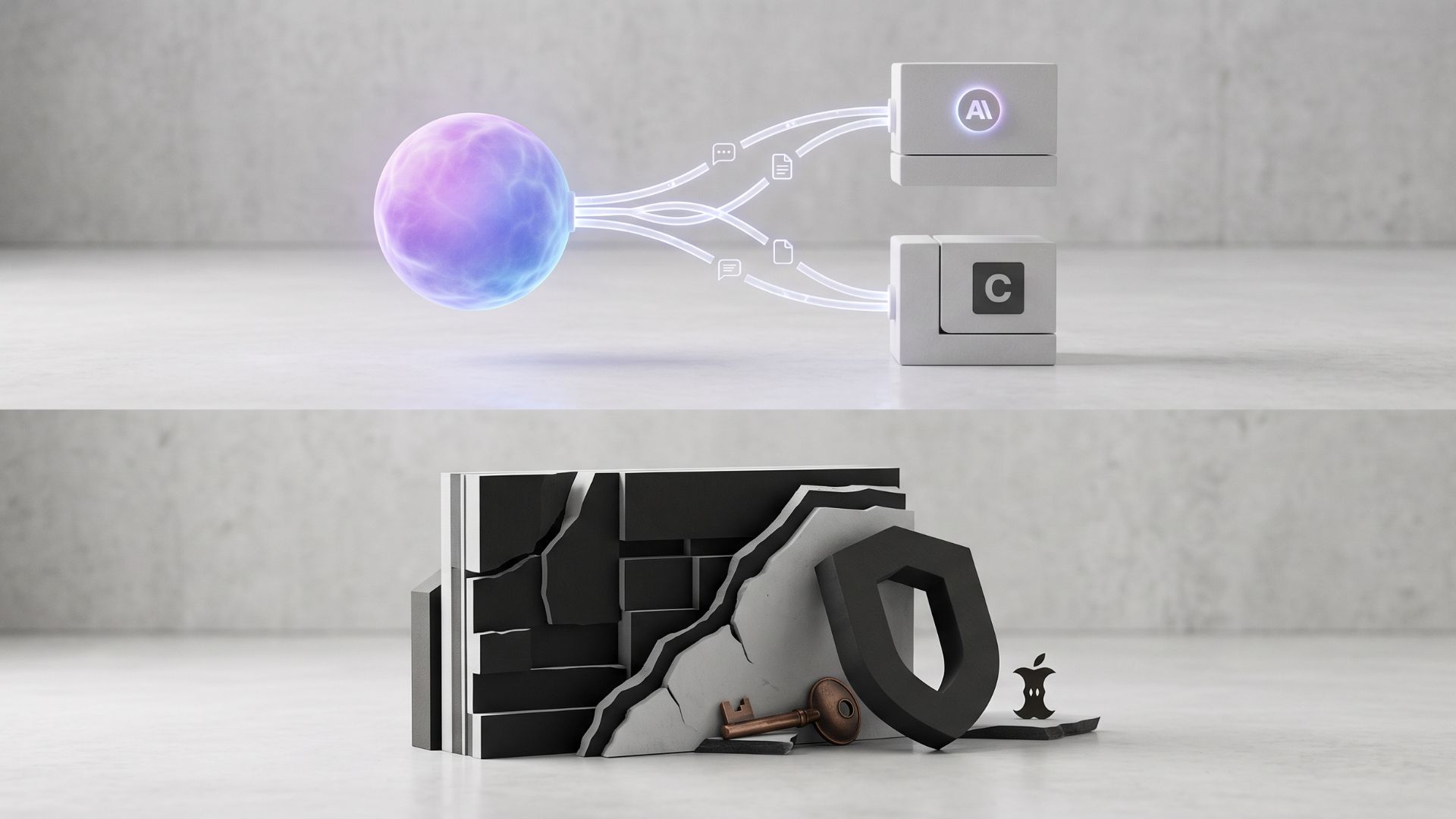
The legal rift between two of Silicon Valley’s biggest powerhouses has escalated into an uncompromising battle over talent, proprietary technology, and corporate accountability. In a striking legal filing submitted to the district court, OpenAI pushed back aggressively against trade secret theft allegations brought by Apple, placing the fault squarely back on the iPhone maker’s internal operations. Rather than a calculated industrial espionage operation, OpenAI argues the dispute stems directly from Apple’s chaotic employee offboarding procedures and its reliance on former staff.
The conflict centers on high-profile departures from Apple’s hardware division, including key design executives and senior engineers who recently transitioned to OpenAI’s expanding hardware team. Apple’s original complaint alleged that departing employees downloaded confidential schematics, power management designs, and proprietary manufacturing blueprints before leaving the company. However, OpenAI’s defense presents a completely different picture, one of structural negligence on Apple’s part.
A Trial Built on Residual Access
In its response, OpenAI contends that Apple fails to properly secure its intellectual property during staff transitions. The defense highlights that departing engineers were routinely permitted to retain personal iCloud access containing legacy work files, while Apple’s security protocols lacked clear separation between corporate assets and personal data. OpenAI maintains that Apple’s hasty offboarding process left former employees with residual digital footprints through no deliberate fault of their own.
Furthermore, the filing reveals a practice that complicates Apple’s claims: current Apple personnel allegedly continued to contact former colleagues after they had joined OpenAI, requesting assistance, technical clarity, and file transfers to complete legacy projects. According to OpenAI, the very file access logs Apple now frames as unauthorized data exfiltration were, in reality, routine interactions driven by Apple’s own internal teams trying to wrap up ongoing work.
The Broader Battle for AI Hardware Supremacy
Beyond the immediate legal arguments, the lawsuit reflects the intensifying rivalry between established tech giants and rising artificial intelligence leaders. As OpenAI aggressively builds out dedicated hardware capabilities to complement its generative AI models, the competition for top-tier engineering and design talent has reached a fever pitch. Apple, facing mounting pressure to demonstrate distinct AI integration across its ecosystem, is fiercely protecting its proprietary engineering frameworks.
By asking the court to dismiss or narrow Apple’s claims, OpenAI is attempting to shift the narrative from corporate theft to standard industry mobility. The company maintains that public allegations of trade secret theft should not be weaponized to suppress workforce movement or cover up operational oversights in offboarding management.
What Lies Ahead for the Tech Ecosystem
As pre-trial motions proceed, the case stands to set a major precedent for how Silicon Valley manages employee transitions and remote data access in an era of hyper-competitive talent acquisition. If OpenAI successfully demonstrates that Apple’s lax offboarding practices and post-employment outreach caused the data crossover, it could force tech conglomerates to drastically overhaul their security, exit interviews, and IT governance protocols.
For now, the legal skirmish serves as a reminder that as the race for next-generation consumer hardware accelerates, the lines between proprietary innovation and corporate administrative failure are being drawn in the courtroom.


