


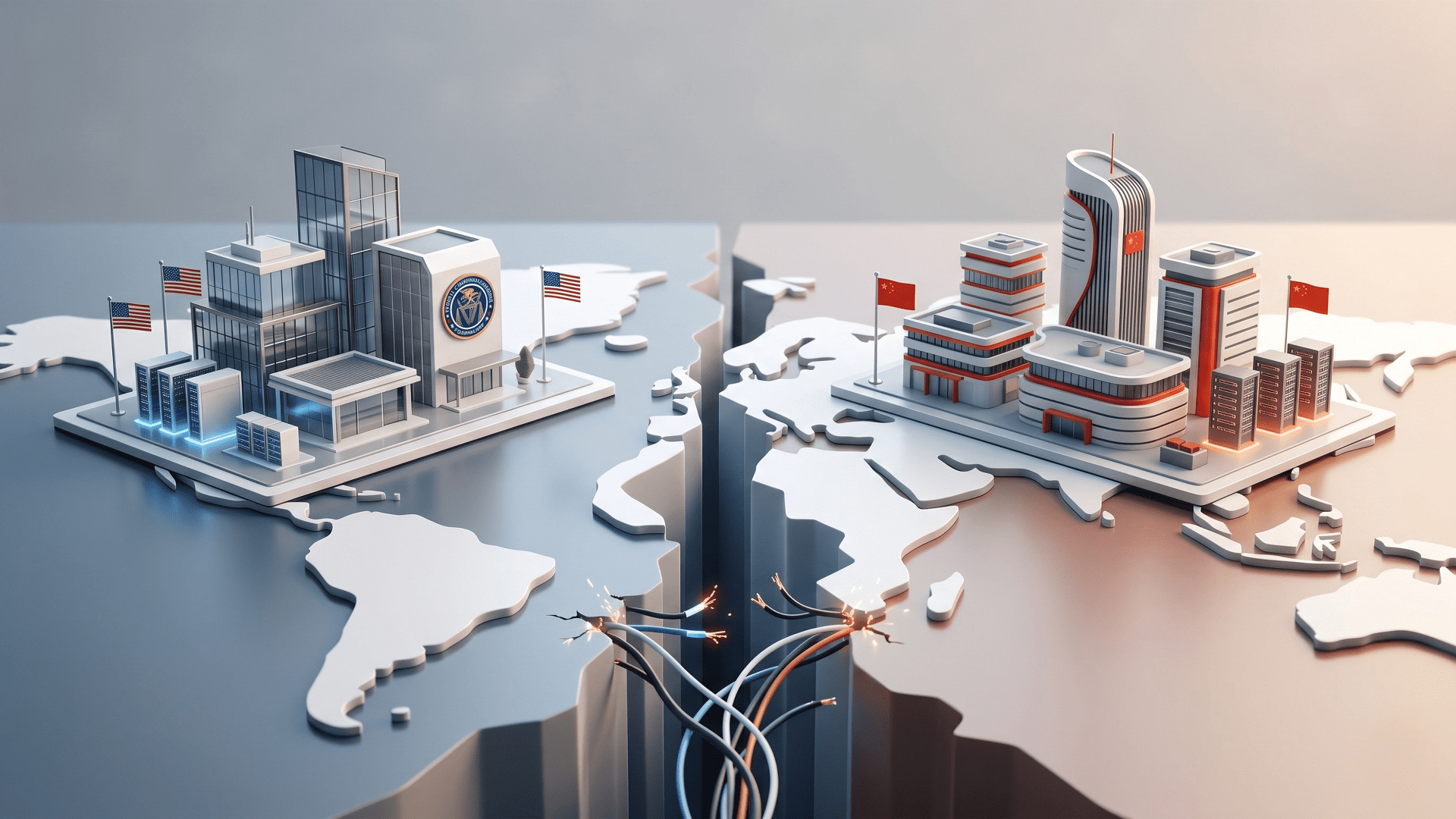
The digital curtain between the United States and China is falling faster and more heavily than ever before. In a sweeping move that could radically reshape the global electronics supply chain, the U.S. Federal Communications Commission (FCC) has unanimously advanced aggressive new proposals targeting Chinese testing labs, data centers, and telecommunications carriers.
For tech enthusiasts, decentralized network operators, and everyday consumers, the implications are massive. Here is a breakdown of what the FCC’s latest decoupling push means for the future of global tech.
The End of the “Tested in China” Era?
Think about the smartphone in your pocket, the webcam on your desk, or the computer you’re using right now. Historically, there is a very high chance that the device was rigorously tested in a Chinese laboratory before it ever hit American shelves. In fact, the FCC notes that a staggering 75% of all U.S. electronics are currently tested in China.
The FCC wants to change that entirely.
In a unanimous vote, the agency advanced a proposal to completely bar Chinese laboratories from testing electronic devices destined for the U.S. market. To prevent a massive supply chain bottleneck, the FCC plans to introduce a streamlined approval process for devices tested inside the United States or in allied countries deemed free of national security risks.
Securing the Infrastructure: Data Centers and Telecom Bans
The hardware testing ban is only one part of the equation. In a separate 3-0 vote, the FCC focused on the physical infrastructure of the internet, specifically data centers and telecommunications networks.
The commission moved forward with a proposal to explicitly bar major state-backed carriers, specifically China Mobile, China Telecom, and China Unicom, from operating data centers on U.S. soil. (The FCC had previously barred these three companies from general telecom operations in the U.S., but this move closes the data center loophole).
Furthermore, the FCC is looking to cut the digital cords between U.S. networks and Chinese hardware giants. The agency is considering a ban that would prevent any U.S. telecom carriers from interconnecting with companies on the national security “covered list.” This effectively builds a digital firewall against suppliers like Huawei and ZTE, ensuring their equipment cannot route or interact with American network traffic at key internet exchange points.
FCC Chairman Brendan Carr made the agency’s stance clear, stating that these actions are designed to “secure our networks from these bad actors, including limiting their interconnection ability.”
A Pattern of Escalation
This latest crackdown isn’t happening in a vacuum; it’s the continuation of a relentless campaign by Washington to strip Chinese technology from American infrastructure.
The recent proposals build upon a series of severe restrictions enacted over the past few years, including:
- The Drone Ban: A December prohibition on the import of all new models of Chinese-made drones.
- The Router Ban: A recent block on imports of new models of Chinese-made consumer internet routers, the very boxes connecting our smart devices to the web.
- Targeting Subsidiaries: An October move to revoke the U.S. operating capabilities of HKT, a leading Hong Kong telecom carrier and subsidiary of PCCW.
- The Equipment Ban: Ongoing efforts to block the import and approval of any equipment from manufacturers flagged on the FCC’s national security covered list.
What This Means for the Blockrora Community
For the broader tech and blockchain ecosystems, hardware and physical infrastructure are everything. Data centers house the nodes that keep decentralized networks alive, while secure consumer electronics are our gateways to digital assets.
As the U.S. forces a massive geographical shift in where electronics are tested and who is allowed to operate data networks, we can expect to see a significant realignment of the global supply chain. While this could mean short-term logistical hurdles or shifting hardware costs, this forced “decoupling” is also expected to spur massive investments into domestic U.S. tech infrastructure, independent testing facilities, and allied manufacturing hubs.
The U.S.-China tech split is no longer just a trade dispute; it is a fundamental redrawing of the global digital map. As the FCC continues to tighten the rules, the tech industry must brace for a vastly different, highly compartmentalized future.


