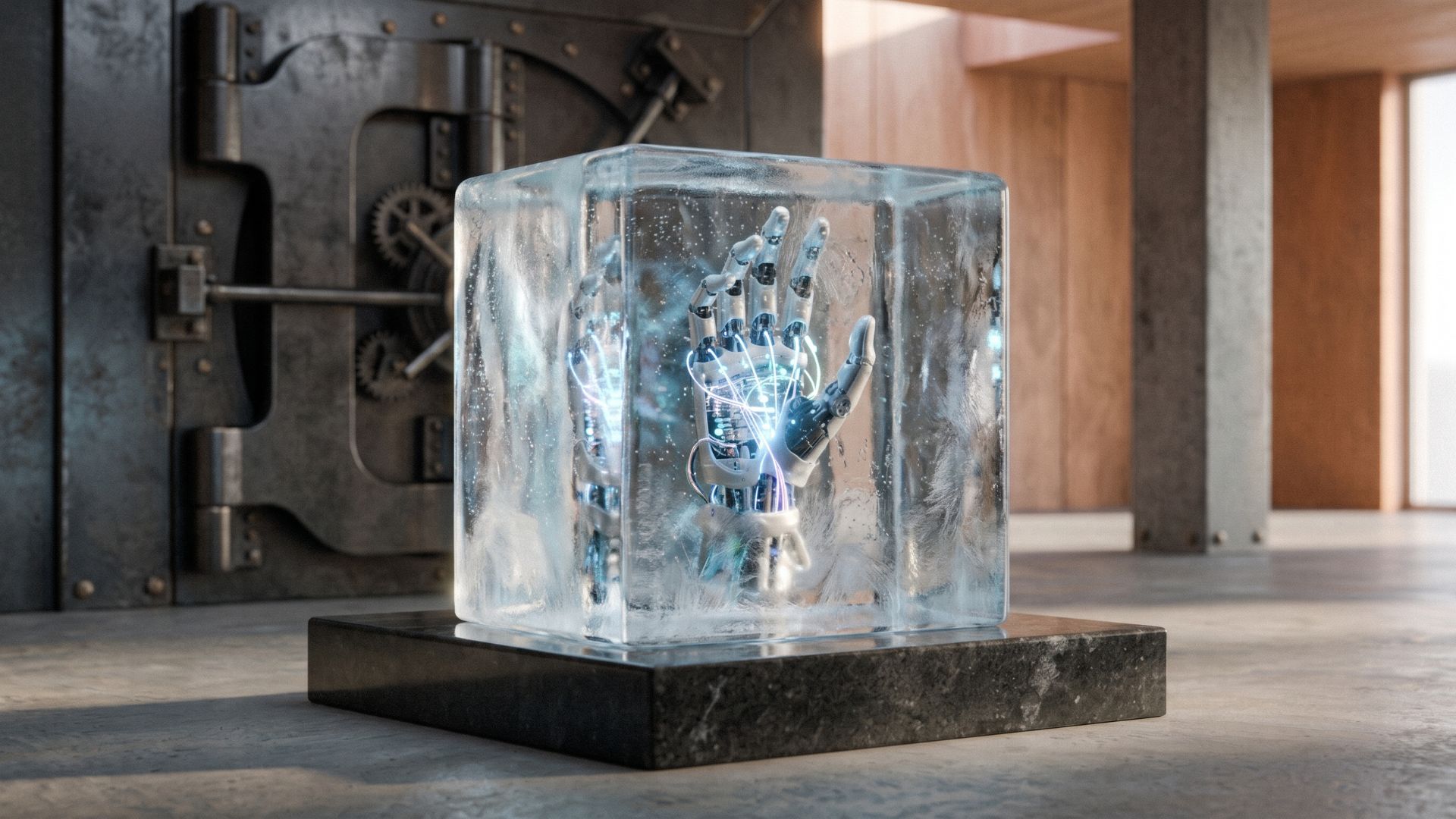
The AI Scam War Escalates: Visa Acquires BioCatch for $2.4B to Intercept Fraud at the Keystroke Level
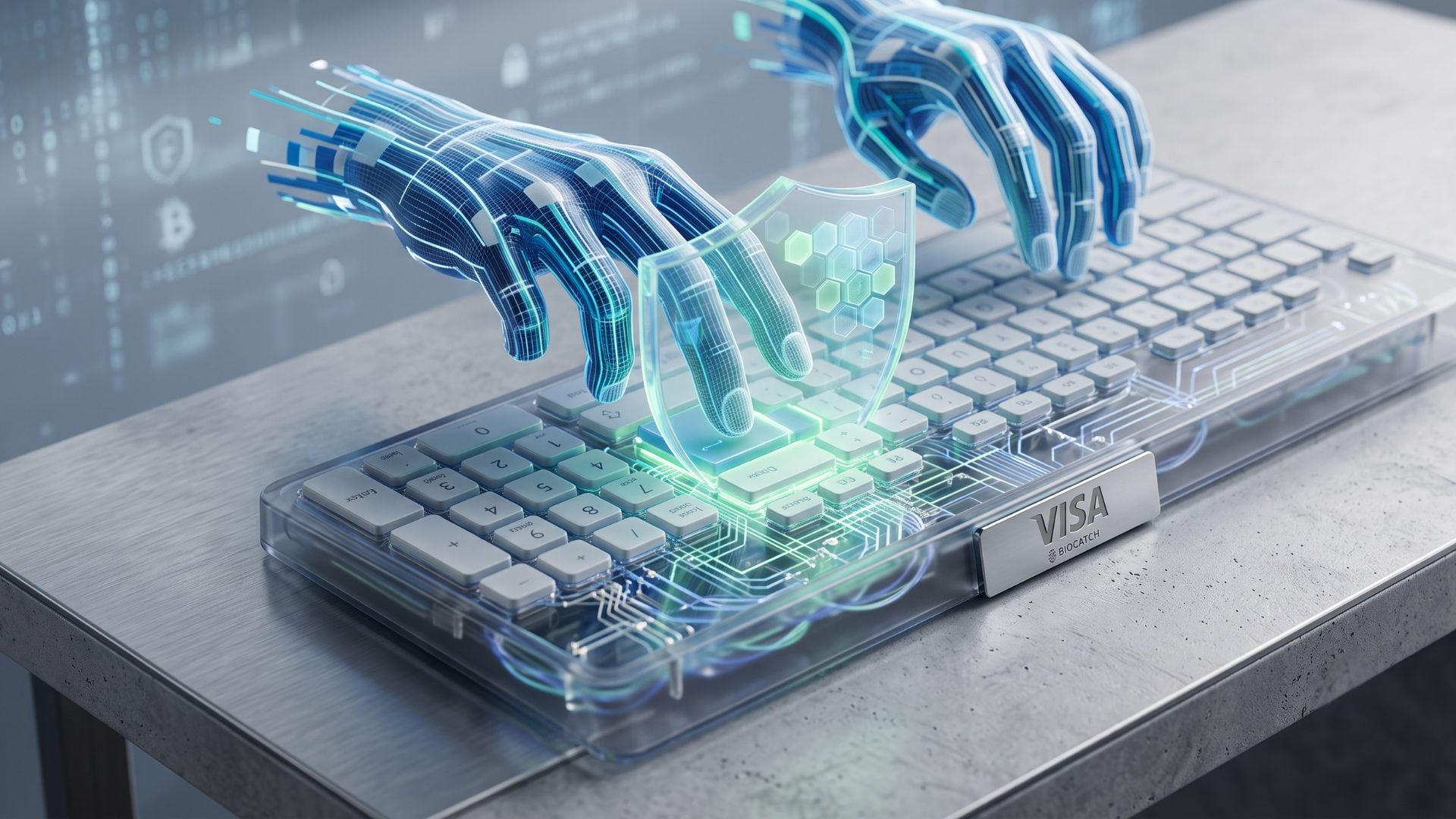
Visa acquires behavioral biometrics pioneer BioCatch for $2.4B to intercept AI-driven fraud and account takeovers before payments occur.
In this article
- The Next-Gen Threat: Why Static Security Is Failing
- Enter BioCatch: Securing the Digital Ecosystem via Behavioral AI
- What Visa’s $2.4B Acquisition Means for the Ecosystem
- 1. Moving Fraud Defense “Upstream”
- 2. Protecting Real-Time Payments and Cross-Border Rails
- 3. Setting a New Standard for Digital Identity
- The Big Picture: Building Immunity Against AI-Driven Crime
In an era where generative AI and sophisticated social engineering can impersonate human behavior with frightening accuracy, the battlefield of digital finance is moving beyond passwords, OTPs, and traditional two-factor authentication.
Recognizing this shift, Visa has announced a major move to fortify its global network: acquiring Israeli behavioral biometrics pioneer BioCatch in a $2.4 billion deal.
The acquisition signals a decisive shift in how financial networks approach security. As instant, non-reversible payment rails spread globally and fraud tactics evolve, payment providers can no longer afford to react only after a scam occurs. The modern imperative is proactive prevention, intercepting fraud at the exact moment an attacker strikes, right down to the keystroke.
The Next-Gen Threat: Why Static Security Is Failing
For decades, financial security relied on static checkpoints: Do you have the right password? Can you answer your secret question? Do you possess the registered device?
Today’s fraud syndicates have rendered those checks obsolete. Armed with deepfakes, automated phishing kits, and AI agents capable of orchestrating complex social engineering scams, cybercriminals are bypassing traditional security barriers by targeting the human element directly.
Rather than cracking passwords, modern fraudsters trick legitimate account holders into transferring funds directly to scam accounts or “money mules”, transactions that look completely authorized on paper. When combined with the speed of real-time, irreversible payment networks, traditional post-transaction fraud detection models simply arrive too late.
To stop these threats, financial platforms must verify not just which credentials are being entered, but also who is entering them and how they behave during the interaction.
Enter BioCatch: Securing the Digital Ecosystem via Behavioral AI
Founded in Israel and widely recognized as a leader in behavioral biometrics, BioCatch monitors digital identity through sub-perceptual human behavior.
Instead of relying on static identifiers, BioCatch analyzes thousands of real-time parameters as a user interacts with a banking app or digital platform, including:
- Keystroke Dynamics: The distinct speed, rhythm, and pressure pattern of a person typing.
- Navigation Habits: Touchscreen gestures, swipe velocity, and mouse movement trajectories.
- Cognitive Hesitation: Subtle micro-pauses or unnatural hesitation patterns that occur when a user is acting under external coercion or following step-by-step instructions from a scammer.
- Non-Human Velocity: Spotting remote access tools (RATs), automated scripts, or AI bots manipulating an interface faster or differently than a human would.
By building an invisible profile of normal user behavior, BioCatch can flag account takeovers, social engineering scams, and mule networks in real time, often before a single dollar is moved.
What Visa’s $2.4B Acquisition Means for the Ecosystem
Visa’s acquisition of BioCatch is more than just a security upgrade; it is a strategic repositioning of how value networks deliver trust in a hyper-connected digital economy.
1. Moving Fraud Defense “Upstream”
Historically, payment networks evaluated fraud at the point of transaction authorization. By integrating BioCatch’s technology into its broader intelligence stack, Visa moves security further “upstream”, monitoring the health and integrity of the session before the payment request reaches the network.
2. Protecting Real-Time Payments and Cross-Border Rails
As instant payment systems continue to expand globally, the friction of manual verification steps must be eliminated without opening the floodgates to bad actors. Continuous, passive behavioral checks allow legitimate transactions to flow smoothly while instantly raising red flags for anomalous activity.
3. Setting a New Standard for Digital Identity
For tech and blockchain observers, the integration of deep behavioral biometrics represents a major milestone in the evolution of digital identity. As decentralized networks and Web3 ecosystems grapple with user onboarding, sybil attacks, and account abstraction, invisible, privacy-preserving behavioral analysis offers a glimpse into how future digital interactions will be secured across both traditional fintech and decentralized finance (DeFi).
The Big Picture: Building Immunity Against AI-Driven Crime
Global losses from scams and account takeover fraud continue to escalate, making proactive intelligence a necessity rather than a luxury. By absorbing BioCatch into its ecosystem, Visa is establishing an AI-driven shield capable of learning, adapting, and counteracting sophisticated cyber threats at scale.
As the lines between traditional fintech, real-time settlement networks, and digital assets continue to blur, one truth remains clear: the future of digital trust won’t be defined by what you remember, but by how you interact with the digital world.
The Morning Brief
Start every day knowing what matters in tech
Six stories chosen by our editors, in your inbox at 06:00 UTC. Free.
Instant notifications in this browser when big news breaks. No email needed, and you can turn them off any time.
See more Blockrora in Google
Make us a preferred source and our stories show up more often in Top Stories.

Founder and Editor at Blockrora. A 20-year veteran of fintech, Web3 ecosystems, and software development, Warren writes on AI infrastructure, decentralised networks, and market reality checks. Trail walker and coffee purist.
More from Warren →